 MapUrbex
A practical guide to urbex meetups in France: how the community connects, what to expect, and how to join responsibly and safely.
Urbex Meetups in France: How Explorers Connect Responsibly
France has one of Europe's richest landscapes for urban exploration, so interest in meeting other explorers is naturally high. That also creates an important question: how do people connect without exposing fragile places, breaking the law, or turning exploration into spectacle?
In practice, urbex meetups in France are rarely big public gatherings. The most respected ones are usually small, trust-based, and focused on research, photography, safety, and preservation-first behavior.
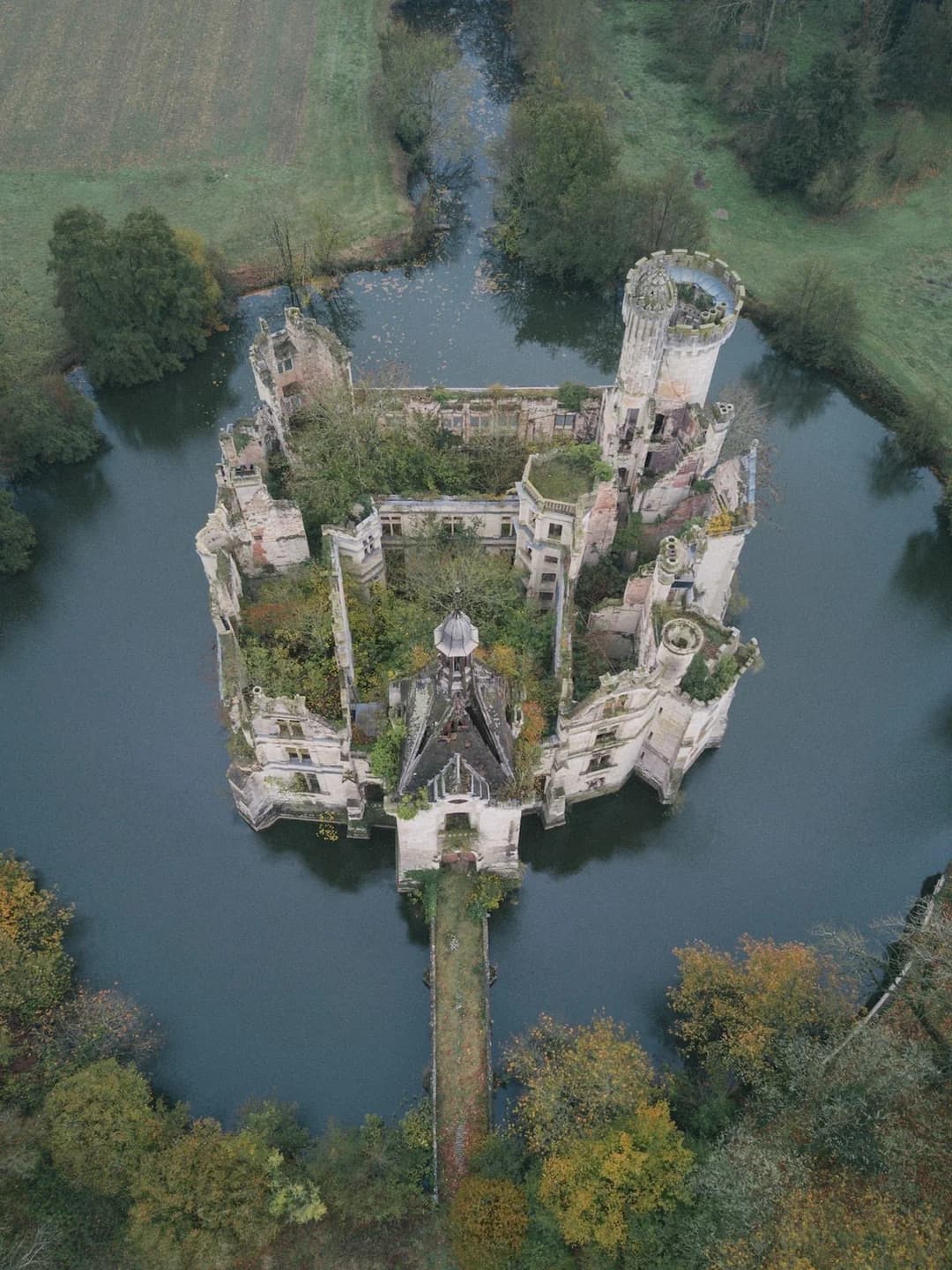
What are urbex meetups in France?
Urbex meetups in France are small gatherings where urban explorers exchange research methods, photography advice, preservation rules, and sometimes plan visits to legal or clearly permitted sites. Serious meetups are usually selective rather than public. Their main purpose is to build trust, improve safety, and protect locations instead of broadcasting access details.
Quick summary
- Most urbex events in France happen in small groups, not large public crowds.
- The French urbex community usually values discretion to protect fragile sites.
- Meetups often combine photo discussion, route planning, and safety reminders.
- Beginners are more likely to join through trust, consistency, and responsible behavior.
- Legal access, no forced entry, and no vandalism are basic rules.
- Curated maps help people prepare before any rendezvous.
Quick facts
- Main purpose: networking, research, photography, and responsible planning
- Typical size: 2 to 10 people for private meetups
- Common formats: coffee meetups, heritage walks, legal open days, planning sessions
- Main risk: treating urbex as entertainment instead of preservation
- Best first step: learn site ethics before asking for locations
- Useful starting point: verified maps and France-focused guides
Why do urbex meetups matter for beginners?
Urbex meetups matter for beginners because they teach behavior before destinations. A good first meeting shows how the community works, what discretion means, and why preservation is more important than collecting coordinates.
That matters in France, where many abandoned places are architecturally important, structurally unstable, or closely watched by owners and neighbors. A responsible meetup can teach a beginner several non-negotiable habits:
- never force access
- never publish sensitive entry details
- never remove objects
- never damage a site for a better photo
- always confirm legal conditions before visiting
For many newcomers, the right community contact is what separates informed exploration from risky improvisation.
How are urbex events in France usually organized?
Urbex events in France are usually organized through small circles, photography communities, regional chats, or heritage-minded networks. There is no single official national calendar, and that limited visibility often helps protect sites from vandalism, theft, and unsafe crowding.
| Meetup format | Typical purpose | Access level | What to expect |
|---|---|---|---|
| Coffee or photo meetup | Meet local explorers and review past visits | Low barrier | Conversation, portfolios, trust building |
| Heritage walk | Discuss architecture and local history | Public or semi-public | Educational setting, low physical risk |
| Legal open day | Visit an authorized industrial or historic site | Public with rules | Clear boundaries, permission or tickets |
| Private planning session | Prepare a future outing | Invitation-based | Screening, gear checks, route planning |
| Documentation meetup | Photo editing, mapping, archive work | Low barrier | Preservation-first mindset |
The pattern is simple: serious meetups usually filter for attitude. People who respect places, communicate clearly, and accept safety rules are more likely to be invited again.
Where do urbexers in France usually connect?
Urbexers in France usually connect through trusted regional circles, photography contacts, architecture communities, and curated research platforms. Public discovery may start broadly, but real rendezvous urbex usually move into smaller groups over time.
For site research, many explorers start by Browse all urbex maps to compare regions and building types. If you want an easier entry point, Access the free urbex map helps you understand how curated location research works.
France-specific reading also helps. Industrial explorers often begin with Top 50 Abandoned Factories in France: A Responsible Urbex Guide, while thematic inspiration can come from Top 20 Abandoned Factories in France for Urban Exploration or 20 Creepiest Abandoned Places in France.
A useful rule in the French urban exploration community is this: ask better questions before asking for better locations. People usually respond well to thoughtful research, not to demands for exact coordinates.
What rules should you follow at urbex meetups in France?
The rules for urbex meetups in France are straightforward: stay legal, protect the site, protect the group, and do not expose sensitive information. If a meetup ignores those principles, it is not a responsible meetup.
Use this checklist:
- confirm whether the activity is public, private, permitted, or purely social
- respect property law and leave immediately if access is refused
- do not climb, enter, or cross barriers for a photo
- keep exact access details off public social media
- wear suitable footwear, lighting, and basic protective gear
- tell someone your plan if you are attending a field-based gathering
- avoid alcohol or reckless behavior on site
- leave no trace
This is also where MapUrbex is useful: verified locations and curated maps support planning, but responsible behavior always comes first.
How can you prepare for a safe urbex meetup in France?
A safe urbex meetup in France starts with clarity. You should know whether the event is social, research-based, or tied to a lawful visit before you agree to attend.
A practical preparation list includes:
- Ask what the meetup actually is.
- Confirm the legal status of the place or event.
- Check distance, transport, and mobile coverage.
- Bring water, charged lights, and stable shoes.
- Respect privacy if the group does not want faces or plates posted online.
- Accept that some groups share methods before places.
That last point matters. In the French scene, trust is often built slowly. If you show up prepared, discreet, and respectful, you are more likely to become part of lasting meetups rather than one-off message threads.
FAQ about urbex meetups in France
Are urbex meetups in France usually public?
No. Most serious meetups are semi-private or private because open publicity can expose fragile sites to vandalism, theft, and unsafe crowding.
Can beginners join the French urbex community?
Yes, but usually by demonstrating responsibility first. Interest in preservation, photography, history, and safety matters more than asking immediately for hidden spots.
Do French urbex meetups share exact coordinates?
Sometimes, but usually only inside trusted circles and only when the group believes the site can be approached responsibly. Public coordinate sharing is often discouraged.
Are there legal urbex events in France?
Yes. Some heritage open days, guided industrial visits, or authorized photography sessions offer lawful ways to meet people with the same interest.
What should you bring to an urbex meetup?
Bring practical shoes, charged lights, water, weather-appropriate clothing, and a respectful attitude. Leave behind anything linked to forced entry or careless behavior.
Conclusion
Urbex meetups in France are best understood as trust-based community moments, not public treasure hunts. The strongest groups combine curiosity with restraint: they document, learn, and protect.
If you want to explore the French scene responsibly, start with verified research, curated mapping, and conversations that put preservation before access.
Access the free urbex map
