 MapUrbex
A practical guide to the most dangerous urbex places in Marseille, the real risks on site, and how to choose safer, verified options with a preservation-first approach.
Urbex Marseille: The 15 Most Dangerous Places and How to Explore Responsibly
Urbex Marseille attracts explorers because the city combines coastline, port infrastructure, hills, tunnels, forts, and large industrial edges. That same mix also creates some of the most hazardous abandoned environments in southern France.
This guide focuses on risk, not thrill. It explains which kinds of spots in Marseille are most dangerous, why they are risky, and how to approach urban exploration with legal caution, structural awareness, and a preservation-first mindset.
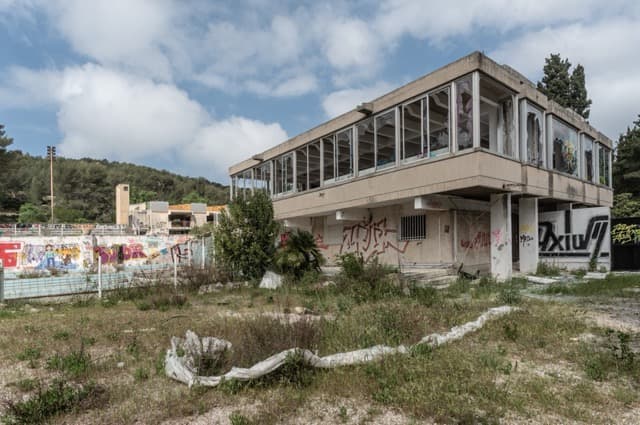
Which urbex places in Marseille are the most dangerous?
The most dangerous urbex places in Marseille are usually unstable coastal forts, exposed bunkers, abandoned factories, rail sites, underground passages, quarries, and fire-damaged buildings. In Marseille, risk often comes from corrosion, vertical drops, loose floors, flooding, contamination, and active surveillance. Responsible exploration means no forced entry, no trespassing, and no entry into visibly unsafe structures.
Quick summary
- The highest-risk urbex spots in Marseille are coastal, industrial, underground, or structurally damaged.
- Salt air, wind, humidity, and long neglect accelerate corrosion and collapse.
- Rail areas, drains, tunnels, and port edges can become dangerous without warning.
- Beginners should avoid confined spaces, roofs, active transport zones, and water-exposed sites.
- Verified research matters more than improvisation; condition notes can prevent bad decisions.
- MapUrbex prioritizes responsible discovery, verified locations, and preservation-first exploration.
Quick facts
- City profile: dense port city with coastline, steep terrain, and fragmented industrial belts.
- Common hazards: collapse, asbestos, broken glass, hidden shafts, flash flooding, and security patrols.
- Best practice: daylight exterior scouting first, then a clear go or no-go decision.
- Hard no zones: active rail property, sealed tunnels, unstable roofs, and storm drains after rain.
- Legal reminder: posted restrictions, barriers, and locked access points mean do not enter.
Which types of urbex spots in Marseille deserve the most caution?
The 15 categories below are the ones that most often combine severe physical risk with legal exposure in Marseille. They are listed as a safety reference, not as an invitation to enter.
| Place type | Main risk | Safety note |
|---|---|---|
| Coastal forts | Loose stone, cliff edges | Strong wind and erosion worsen risk |
| Seaside bunkers | Flooding, hidden shafts | Slippery surfaces and tide effects |
| Abandoned factories | Collapse, contamination | Large spans fail without warning |
| Port warehouses | Security, unstable floors | Many are near active logistics zones |
| Silos and mills | Falls, dust, voids | Vertical hazards are severe |
| Rail depots | Electrocution, police, trains | Avoid entirely if still active |
| Tunnels | Darkness, low oxygen, water | Entry risk rises after rain |
| Drainage channels | Sudden water flow | Never enter in uncertain weather |
| Quarries | Rockfall, hidden drops | Ground can be hollow or fractured |
| Hospitals and clinics | Contamination, broken interiors | Layouts are complex and unstable |
| Schools and offices | Rotten stairs, glass | Upper floors can fail first |
| Parking garages | Spalling concrete | Corrosion weakens slabs |
| Hotels and villas | Fire damage, squat activity | Risk varies room by room |
| Rooftop access buildings | Falls, wind | One mistake can be fatal |
| Burned structures | Toxic residue, structural failure | Usually among the most unstable sites |
Why do coastal and industrial sites in Marseille create higher risk?
Marseille is unusually hard on abandoned buildings. Salt air accelerates metal corrosion. Wind loads weaken already damaged roofs and facades. Water intrusion attacks concrete, timber, and hidden supports.
Industrial sites add a second layer of danger. Old machinery pits, shafts, tanks, cable runs, and contaminated dust are often invisible until you are already inside. A building can look empty and still contain active hazards.
Coastal military remains are another special case. Forts, bunkers, and cliffside structures often have uneven footing, unprotected drops, and partial collapses caused by erosion. Scenic views do not mean stable access.
How should you assess safety before any urban exploration in Marseille?
Start with a refusal mindset, not an entry mindset. If a site looks questionable from outside, treat that as enough information to walk away.
Use this simple checklist:
- Check whether the property is active, sealed, fenced, or clearly posted.
- Look for structural warning signs such as sagging roofs, leaning walls, fresh cracks, or missing stairs.
- Avoid any underground or water-linked site after rain.
- Never climb alone and never rely on old ladders, rails, or exposed edges.
- Wear basic protective gear, but do not mistake gear for permission or safety.
- Share your plan with someone and keep a strict turnaround time.
For many explorers, the safest decision is to limit a visit to legal exterior photography.
What legal and ethical limits matter for urbex Marseille?
In Marseille, the main limits are simple: do not trespass, do not force access, do not damage property, and do not reveal fragile sites in a way that encourages abuse. Responsible urbex is observation, not intrusion.
If you are comparing options, start with broader context before choosing a route. Urbex Marseille: Guide to Abandoned Places in Marseille and Nearby and Urbex Marseille: Abandoned Places and Hidden Spots in Marseille help frame the local landscape. For a wider view, you can also Browse all urbex maps.
How can MapUrbex help you find safer, verified locations?
MapUrbex is useful when you want to reduce guesswork. A curated map helps separate truly abandoned places from active or highly exposed sites, and it supports a preservation-first approach instead of random searching.
The goal is not to push entry. The goal is to help explorers identify verified locations, understand context, and reject spots that are too risky, too sensitive, or too legally exposed.
FAQ
Is urbex legal in Marseille?
Urban exploration is not automatically legal. If a place is private, fenced, locked, posted, or actively monitored, entering can be unlawful. Always respect access restrictions.
What are the most dangerous conditions for urbex in Marseille?
The worst conditions are wind on exposed roofs or cliffs, recent rain around tunnels or drains, severe corrosion near the sea, and any sign of fire or structural movement.
Should beginners explore dangerous spots alone?
No. Beginners should avoid dangerous sites altogether. Solo exploration increases the consequences of injury, disorientation, or a blocked exit.
What should you do if a building feels unstable?
Leave immediately by the safest clear route. Do not test floors, climb further, or try another entrance.
Are abandoned hospitals and factories in Marseille worth the risk?
Usually not if the condition is unknown. Large medical and industrial sites often combine contamination, broken circulation paths, and severe structural decay.
Conclusion
The biggest urbex danger in Marseille is not mystery. It is misjudging condition, legality, and terrain. Coastal decay, industrial ruin, and underground infrastructure can turn a simple visit into a serious emergency.
A responsible explorer treats no entry as a valid outcome. Verified information, legal caution, and preservation-first choices matter more than reaching a dramatic interior.
Access the free urbex map
