 MapUrbex
A practical guide to urbex in Marseille, with common site types, key areas, legal reminders, and how to find verified abandoned places around Marseille.
Urbex Marseille: Guide to Abandoned Places in Marseille and Nearby
Marseille is one of the most discussed cities for urban exploration in southern France. The city combines old port infrastructure, military coastal remains, institutional buildings, and industrial zones that have changed repeatedly over the last decades.
That variety explains why searches for urbex Marseille, abandoned places in Marseille, and abandoned places around Marseille remain high. It also explains why so many spot lists become outdated quickly: demolition, redevelopment, closure, and security changes are constant.
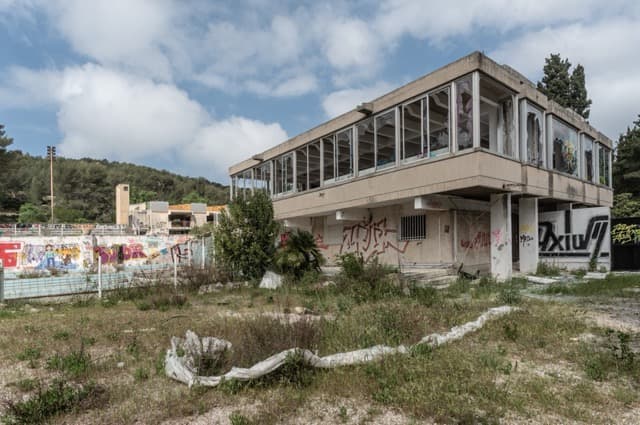
Where can you find urbex in Marseille?
You can find urbex in Marseille mainly in former port-industrial zones, coastal military structures, disused institutional sites, and in the wider Bouches-du-Rhône belt around the city. The most useful approach is not chasing random coordinates, but identifying the right sectors, checking whether the site still exists, and using a verified map source rather than old forum posts.
Quick summary
- Marseille is a major urban exploration city because it mixes port, industrial, military, and institutional history.
- The most discussed sectors are Arenc, the northern industrial edge, the southern coastline, and several towns around Marseille.
- Many famous Marseille spot names online are outdated, demolished, fenced, or repurposed.
- Abandoned places around Marseille often include former factories, military works, quarries, and transport infrastructure.
- Legal access changes often; responsible urbex means no trespassing, no forced entry, and no damage.
- Verified map tools are more reliable than recycled spot lists.
Quick facts
- City: Marseille
- Region: Provence-Alpes-Côte d'Azur
- Department: Bouches-du-Rhône
- Main urbex context: port history, industry, military coastline, public institutions
- Common site types: warehouses, silos, bunkers, hospitals, schools, factories, tunnels, coastal ruins
- Status of many spots: frequently changing due to redevelopment, fencing, demolition, or restoration
- Best use of a guide: understand the sectors and history before checking whether a place is still valid
Why is Marseille important for urban exploration in southern France?
Marseille is important for urban exploration because few French cities combine such different abandoned environments within one metro area. The port created logistics and storage sites, the hills created isolated military positions, and the wider region added factories, quarries, and transport infrastructure.
The city also changes fast. That matters for urbex Marseille searches because a place that was open two years ago may now be demolished, converted, or fully secured. In practice, Marseille is less about one iconic abandoned building and more about a changing ecosystem of sites.
A second reason is geography. Within a short radius, Marseille connects to La Ciotat, Aubagne, the Étang de Berre zone, and other industrial landscapes. This is why searches for abandoned places around Marseille often matter as much as searches focused on the city itself.
Which abandoned place types appear most often in Marseille?
The most common abandoned place types in Marseille are former port-industrial structures, military remains, institutional buildings, and scattered transport or infrastructure sites. These categories reflect the city's economic history more than a single urbex trend.
Some names often cited in Marseille urban exploration include the former silos of Arenc, coastal batteries such as the Batterie de l'Escalette, and large industrial remnants on the edges of the city or in nearby towns. Their exact status varies, and some are no longer abandoned in any practical sense.
| Area | Typical abandoned places | Current pattern | Why people search it |
|---|---|---|---|
| Arenc and old port belt | silos, warehouses, logistics structures | heavy redevelopment | strong industrial imagery |
| Northern edge and L'Estaque side | factories, depots, quarries, infrastructure | mixed closure and decay | classic Marseille industrial atmosphere |
| Southern coastline | batteries, bunkers, defensive ruins | exposed, fragile, often protected | sea views and military history |
| Eastern and institutional zones | schools, clinics, public buildings | highly variable | less visible but often discussed locally |
| Around Marseille | factories, tunnels, shipyard remains, rural ruins | broad and uneven | more options than the city center alone |
What are the main urbex areas in Marseille and nearby?
The main urbex areas in Marseille and nearby are the old port-industrial belt, the industrial north and northwest, the military southern coastline, scattered institutional zones in the eastern districts, and the broader industrial ring around Marseille. These sectors explain most of the local urban exploration interest.
1. Arenc and the former port-industrial belt
Arenc has long been one of the most cited names in urbex Marseille discussions because it concentrates the image many people associate with the city: silos, docks, freight infrastructure, and large-scale industrial architecture. The best-known reference is the former Silos d'Arenc area, which became emblematic of Marseille's port-industrial past.
The key point is that Arenc is also one of the least stable sectors for spot hunters. Redevelopment, business use, demolition, and security upgrades have transformed the area repeatedly. For researchers and photographers, it still matters historically. For active exploration, old online posts about Arenc are often unreliable.
2. L'Estaque and the northern industrial edge
The L'Estaque side and the wider northern edge of Marseille are often associated with industrial ruins, disused yards, old transport functions, and fragmented brownfield spaces. This part of the city carries the strongest "working port" identity, which makes it central to searches for abandoned places in Marseille.
The attraction here is variety rather than a single flagship site. Depending on the period, urbex communities have discussed old depots, quarries, concrete structures, and industrial shells in this zone. Names change, ownership changes, and many places sit near active infrastructure, so caution and legal awareness are essential.
3. The southern coastline and military remains
The southern coastline is important because Marseille's urbex scene is not only industrial. Defensive works, bunkers, batteries, and isolated coastal structures form a second layer of local exploration history. One of the most cited names is the Batterie de l'Escalette, often mentioned in relation to coastal military remains.
These places are visually striking, but they also come with major limits. Many are fragile heritage structures, difficult terrain, or environmentally sensitive coastal zones. In Marseille urban exploration, scenic does not mean safe or accessible. Preservation and legal respect matter more here than collecting dramatic photos.
4. Eastern Marseille and former institutional sites
Eastern Marseille attracts attention for a different reason: older institutional buildings sometimes fall into transitional use, neglect, or partial closure. Former schools, clinics, administrative sites, and service buildings are the kinds of places people often mean when they look for less obvious Marseille urbex spots.
These locations are harder to track because they rarely become famous landmarks. Their status can change quietly, sometimes without public visibility. That is exactly why a curated reference is more useful than copied lists. A place may look abandoned from outside while still being owned, monitored, or partially occupied.
5. Around Marseille: Aubagne, La Ciotat, the Étang de Berre belt, and beyond
If your search includes abandoned places around Marseille, the field becomes much larger. Nearby industrial towns and infrastructure corridors often offer more continuity than the city center itself. Common themes include former factory spaces, shipyard-related remnants, transport infrastructure, quarries, and rural institutional ruins.
Several names circulate regularly in the wider regional discussion, including the Tunnel du Rove area and industrial remnants toward La Ciotat or the Étang de Berre zone. These references are useful historically, but they should never be treated as automatic open spots. In this region, access conditions, hazards, and site status can change very quickly.
How can you find verified abandoned places around Marseille without relying on outdated spot lists?
The best way to find verified abandoned places around Marseille is to use a curated map, compare recent information, and treat old forum posts as historical clues rather than current access guides. That approach is more accurate and more responsible.
MapUrbex is designed for that exact problem. Instead of depending on recycled coordinates, you can Browse all urbex maps to compare regions and use Free Urbex Map 2026 as a starting point. If you want the selection process behind a reliable map, read How to Get the Best Free Urbex Map in 2026??.
If you work with map files for planning and reference, How to Import Your .KML File into Google Maps explains the workflow clearly. That matters in a city like Marseille, where distances, relief, and coastal access conditions can change the practical value of a location.
Access the free urbex map
Is urbex Marseille legal and safe?
Urbex Marseille is not automatically legal or safe. Many abandoned places are still private property, some coastal sites are unstable or protected, and former industrial structures can contain severe hazards such as falls, asbestos, sharp metal, voids, or hidden water.
Marseille adds specific local risks. Heat, cliff edges, exposed roofs, sea spray, fire danger in dry months, and isolated terrain all increase the consequences of a bad decision. A place that looks easy on a photo may be dangerous in reality.
MapUrbex follows a preservation-first approach. That means no forced entry, no trespassing, no vandalism, no theft, and no sharing of access methods that could damage sites or attract unsafe behavior. Responsible urban exploration protects both the location and the people around it.
Many famous Marseille urbex names are better understood as historical references than as current recommendations for entry.
FAQ
Is Marseille a good city for beginner urbex?
Marseille is interesting for beginners from a research perspective, but not every site is beginner-friendly in practice. The mix of cliffs, industrial hazards, and changing legal status can make the city more complex than it looks. Start with verified information and public-view heritage research, not random entry attempts.
What abandoned places are most common around Marseille?
Around Marseille, the most common abandoned places are former factories, military remains, infrastructure sites, quarries, and scattered institutional buildings. The wider Bouches-du-Rhône area offers more variety than the city center alone. Many locations, however, are closed, demolished, or sensitive.
Are the best Marseille urbex spots still abandoned?
Not always. Some famous spot names survive online long after the site has been redeveloped, fenced, protected, or partially reused. That is why current verification matters more than popularity.
Should exact addresses of abandoned places in Marseille be shared publicly?
In most cases, no. Public address sharing can accelerate vandalism, theft, unsafe visits, and rapid closure. A preservation-first approach favors verified, controlled information rather than mass spot diffusion.
What is the best season for Marseille urban exploration research?
Autumn, winter, and spring are usually easier for research and landscape reading because temperatures are lower and visibility can be better. Summer adds heat and fire risk, especially near dry coastal or hillside zones. Seasonal conditions do not change the legal status of a site.
Conclusion
Urbex Marseille matters because the city brings together port history, military heritage, institutional decline, and a broad industrial hinterland. For researchers, photographers, and map users, the real value is not a viral address list. It is understanding which sectors have mattered historically and which sites are still current.
If you want abandoned places in Marseille or abandoned places around Marseille, the safest and most reliable method is a verified, curated map with regular review. That fits both responsible urbex practice and the reality of a city that changes fast.
Access the free urbex map
