 MapUrbex
A practical MapUrbex guide to urbex Lille, with a clear overview of industrial ruins, abandoned places, planning tips, and responsible exploration in and around the city.
Urbex Lille: Guide to Industrial Ruins and Forgotten Places in Northern France
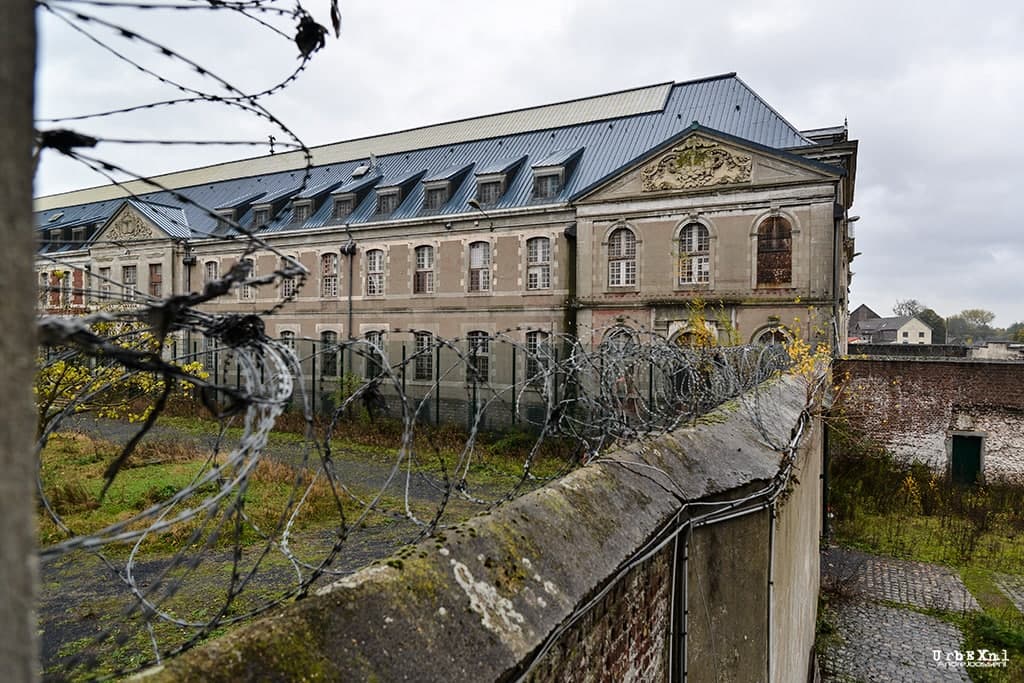
Urbex Lille usually starts with one fact: the city and its wider urban belt have a strong industrial, rail, and institutional history. That history leaves behind warehouses, workshops, factory shells, and other forgotten places that continue to attract photographers and heritage-focused explorers.
But abandoned does not mean accessible, legal, or safe. Conditions change fast, many sites are privately owned, and structural risks are common. MapUrbex takes a preservation-first approach: documented locations, verified planning, and no encouragement of trespassing or forced entry.
What does urbex Lille usually mean today?
Urbex Lille usually refers to exploring former industrial and institutional sites in Lille and the wider Nord area, especially factories, depots, warehouses, and other abandoned places shaped by the region's working past. In practice, the best urbex Lille planning is selective and responsible: use verified information, respect property law, and treat preservation as more important than access.
Quick summary
- Urbex Lille is mainly associated with industrial ruins, transport heritage, and forgotten urban sites in the wider metropolitan area.
- Truly useful planning depends on recent, verified information because access conditions change quickly.
- Many abandoned places in Lille are on private property or in unsafe condition, so legal and safety checks matter.
- The most consistent interest is in industrial brownfields rather than hidden city-center interiors.
- MapUrbex is built for responsible urbex: curated maps, preservation-first guidance, and practical trip planning.
- If you want a broader overview, start with Browse all urbex maps.
Quick facts
| Topic | Details |
|---|---|
| Primary search intent | Transactional, map and planning focused |
| Main site types | Factories, warehouses, rail-related sites, institutional buildings |
| Typical geography | Lille, nearby urban fringe, and the wider Nord region |
| Core appeal | Industrial atmosphere, large volumes, texture, and social history |
| Main risks | Private property, unstable floors, broken glass, asbestos, water damage |
| Best planning method | Use curated maps and recent verification rather than random coordinates |
Why do industrial ruins dominate urbex Lille searches?
Industrial ruins dominate urbex Lille searches because the local urban history makes them far more common and more visually distinctive than other abandoned places. In short, Lille's identity is closely tied to production, logistics, and cross-border circulation.
That matters for explorers and photographers. Former factories and depots often leave behind large open interiors, repetitive structural lines, machine rooms, loading areas, and weathered materials that photograph well. Even when a site is not spectacular, it can still be historically meaningful.
The wider Nord region also reinforces this pattern. Interest in forgotten places in Northern France often overlaps with former industrial corridors, old commercial buildings, transport sites, and disused institutional spaces. That is why searches for abandoned places in Lille frequently expand beyond the strict city center.
Which abandoned places are most common in Lille and the Nord?
The most common abandoned places around Lille are industrial brownfields, warehouses, depots, and disused institutional buildings. Residential abandonment exists, but it is usually less stable, less photogenic, and more sensitive from a legal and ethical perspective.
In practical terms, these are the categories most people mean when they search for urbex Lille:
- Former factories and workshops
- Empty warehouses and storage buildings
- Rail-adjacent or logistics-related structures
- Disused offices linked to industrial estates
- Institutional sites such as schools, clinics, or administrative buildings
- Occasionally, larger forgotten compounds on the outskirts rather than in central Lille
This pattern is important because it shapes expectations. If you are searching for cinematic abandoned mansions, urbex Lille is usually not the strongest fit. If you are looking for industrial ruins in Lille and the wider Nord, the region is much more relevant.
Where are the main forgotten urban landscapes around Lille?
The main forgotten urban landscapes around Lille are usually found in the wider metropolitan belt and older industrial zones, not in the most active central districts. In other words, the search area is often broader than the municipality itself.
Dense city-center redevelopment means many obvious abandoned places disappear quickly, are secured, or are converted. By contrast, peripheral zones may retain larger industrial footprints, closed warehouses, and disused compounds for longer periods.
That does not mean public access exists. It only means the urban fabric is more likely to contain disused structures. For responsible planning, it is better to work from verified mapping than from vague forum rumors or outdated coordinates.
MapUrbex therefore focuses on curated information rather than publishing sensitive access instructions. The goal is to help users identify patterns, assess relevance, and plan lawful research before any trip.
How should you prepare a safe and lawful urbex outing in Lille?
You should prepare an urbex outing in Lille by checking ownership, recent site status, weather, structural condition, and your exit options before leaving home. A useful plan begins with legality and safety, not with the hope of getting inside at any cost.
A practical preparation checklist includes:
- Verify whether the place is on private property
- Check whether demolition, redevelopment, or active security has changed the site
- Avoid solo visits in unstable or isolated environments
- Wear solid footwear and bring a charged phone
- Do not force doors, fences, shutters, or windows
- Leave objects exactly where they are
- Avoid posting sensitive access details publicly
Safety reminder: MapUrbex does not support trespassing, forced entry, vandalism, theft, or any action that damages places or puts people at risk.
If your goal is photography, the smartest approach is often restraint. A legally visible exterior, perimeter study, or documented heritage walk can be more useful than a reckless interior attempt.
Why is verified mapping better than random coordinates for urbex Lille?
Verified mapping is better for urbex Lille because abandoned places change fast and unverified coordinates are often outdated, inaccurate, or unsafe. The practical advantage is not secrecy. It is reliability.
A curated map helps you compare site type, area relevance, and recency of information. That saves time and reduces pointless travel to demolished, occupied, or heavily secured places. It also helps separate real industrial ruins from low-value dead ends.
For a city-scale search like Lille, this matters even more. The metropolitan area is broad, site turnover is real, and many online lists copy each other without confirmation. A verified system is therefore more useful than a sensational listicle.
Which MapUrbex resources help you plan better?
The most useful MapUrbex resources for Lille are the curated map pages and the city-specific guides that explain what kinds of abandoned places are actually worth researching. Start with broad orientation, then narrow your plan.
Useful starting points:
- Browse all urbex maps
- Urbex in Lille: Guide to Abandoned Places in and Around the City
- Urbex Lille: 12 Places to Visit and 5 to Avoid Absolutely
If you are still comparing options, these resources are better used as planning tools than as invitation lists. Responsible urbex begins with context, not impulse.
FAQ
Is urbex Lille mostly about factories and warehouses?
Yes. Most searches for urbex Lille point toward industrial ruins, depots, warehouses, and other work-related abandoned places rather than residential or decorative sites.
Are there still many abandoned places inside Lille itself?
Some remain, but the strongest concentration of relevant sites is often in the wider urban area and older industrial surroundings. Redevelopment in central zones reduces long-term availability.
Is it legal to enter abandoned buildings in Lille?
Not automatically. Many abandoned buildings are still private property, and entering without permission can be illegal. Always check legal status and never force access.
What should you bring for a photography-focused visit?
Bring sturdy shoes, a charged phone, water, and simple protective clothing. Do not rely on flashlights alone to justify entering unstable interiors, and do not carry tools that suggest forced entry.
Why should beginners use a curated map?
Beginners benefit from curated maps because they reduce wasted trips, outdated information, and risky guesswork. Verified planning is safer and more efficient than chasing random coordinates.
Conclusion
Urbex Lille is best understood as a search for industrial ruins and forgotten places shaped by the history of the city and the wider Nord region. The real value is not just visual decay. It is context, planning quality, and respect for places that are often fragile, private, or changing quickly.
If you want to explore this topic seriously, use verified resources, keep your expectations realistic, and prioritize lawful, preservation-first research over risky access.
Access the free urbex map
