 MapUrbex
A clear guide to urbex insurance, accident coverage, liability, and common exclusions. Learn what may be covered and what often leads to denied claims.
Urbex Insurance: Are You Covered If You Have an Accident?
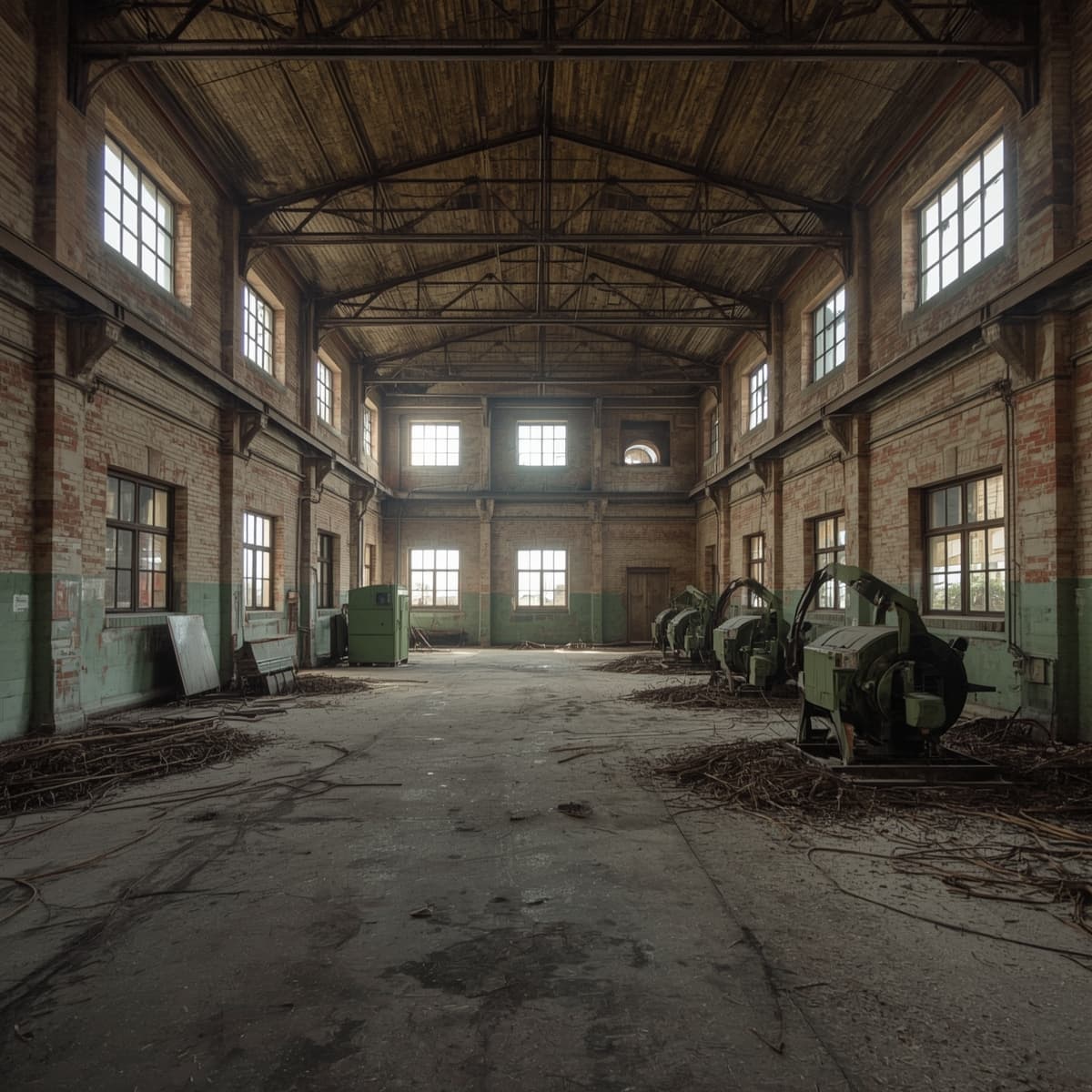
Urbex insurance is not a special policy sold everywhere under one universal name. In most cases, coverage after an accident in urbex depends on ordinary insurance products such as health insurance, personal accident insurance, liability insurance, travel insurance, or equipment cover.
The important point is simple: an accident during urban exploration is not automatically excluded, but it is not automatically covered either. The result usually depends on where you were, what you were doing, whether you had permission, and the exact exclusions in your contract.
MapUrbex takes a preservation-first approach. That means verified locations, responsible planning, and no encouragement of trespassing, forced entry, or reckless behavior.
Does urbex insurance cover an accident?
Sometimes yes, but only if your existing policy covers the type of injury or loss and no exclusion applies. After an accident in urbex, insurers often check trespassing, dangerous behavior, site access, alcohol or drug use, and whether the activity was declared as hazardous. Coverage is policy-specific, country-specific, and fact-specific.
Quick summary
- Urbex insurance usually means combining normal policies, not buying one universal urbex contract.
- Medical costs, personal injury, liability, and gear damage may all be handled by different insurers.
- Common coverage exclusions include illegal entry, deliberate risk-taking, unsafe structures, and undeclared high-risk activity.
- Liability insurance may help if you injure someone else, but it often does not protect you against your own injuries.
- The legal status of the place matters because trespassing or prohibited access can trigger a denied claim.
- Responsible planning lowers both injury risk and insurance problems.
Quick facts
- Primary risk: falls, cuts, unstable floors, asbestos exposure, and hidden shafts.
- Main policies to check: health, personal accident, liability, travel, equipment, legal assistance.
- Most disputed point: whether the incident happened during unauthorized or excluded activity.
- Best documentation: photos of the scene, time, witness details, emergency report, and policy wording.
- Best prevention: avoid dangerous sites, never force entry, and verify access conditions in advance.
What insurance can apply to urban exploration?
Several types of insurance can apply to urban exploration, but each covers a different problem. There is rarely one policy that handles every urbex accident.
| Policy type | What it may cover | Common limits |
|---|---|---|
| Health or medical insurance | Emergency treatment, hospital care, follow-up treatment | Deductibles, out-of-network care, exclusions for illegal acts in some jurisdictions |
| Personal accident insurance | Lump-sum payment for serious injury, disability, or death | High-risk activity exclusions, intoxication clauses |
| Personal liability insurance | Injury or property damage caused to another person | Intentional acts, criminal acts, unauthorized access |
| Travel insurance | Emergency care abroad, evacuation, trip disruption | Adventure activity limits, country restrictions, claim reporting deadlines |
| Equipment insurance | Cameras, lights, bags, sometimes drones | Theft without force, unexplained disappearance, fragile items |
| Legal assistance cover | Advice or defense costs in some disputes | Limited scope, local jurisdiction rules |
For many explorers, the most relevant questions are not abstract. They are practical: who pays if you fall, who pays if a friend is hurt, and who pays if your gear is destroyed.
If you are comparing exploration plans, start with risk reduction before insurance. Our curated tools can help you Browse all urbex maps and prioritize locations that fit your experience level.
Which coverage exclusions are most common in urbex insurance?
The most common exclusions of guarantee in urbex are illegal entry, intentional risk-taking, entering clearly unsafe structures, intoxication, and failure to follow safety rules. These exclusions vary by insurer, but they appear often enough that they should be checked before every trip.
Typical exclusion categories include:
- Trespassing or unauthorized presence on private or restricted property
- Intentional or reckless conduct, such as climbing unstable roofs or crossing barriers
- Known dangerous conditions, including collapse risk or flood risk
- Alcohol or drug impairment
- Professional or commercial use if the policy covers only leisure activity
- Undeclared high-risk activity when a policy requires prior declaration
- Wear and tear or poor protection of gear for camera and equipment claims
An important nuance matters here. Some medical systems still treat your injury even if the insurer later disputes reimbursement. Treatment access and final insurance payment are not always the same issue.
Safety reminder: insurance is not a substitute for judgment. MapUrbex never recommends forced access, breaking locks, entering visibly unstable structures, or ignoring local law.
Does the legal status of the site affect insurance coverage?
Yes. The legal status of the site can strongly affect insurance coverage because many policies limit or exclude claims linked to unlawful access, prohibited zones, or criminal conduct.
This does not mean every accident on abandoned property is automatically excluded. A vacant building can be privately owned, publicly owned, permitted for access, or strictly restricted. Insurers often look at facts such as:
- Whether you had the owner’s consent
- Whether signs prohibited entry
- Whether barriers were bypassed
- Whether emergency services recorded unlawful entry
- Whether the site was obviously dangerous
If you need a legal overview first, read Is Urbex Legal? A Clear Guide to Urban Exploration Laws. It helps separate abandonment from legal access, which insurers also tend to separate.
What should you do after an accident during urbex?
After an accident in urbex, first protect life and health, then preserve accurate records for a possible insurance claim. Fast, factual documentation often matters as much as the medical report.
Use this order:
- Get to safety without taking additional risks.
- Call emergency services if there is any doubt about serious injury.
- Do not move an injured person unnecessarily unless there is immediate danger.
- Document the scene with time-stamped photos if it is safe to do so.
- Collect witness details and note exactly what happened.
- Report the claim quickly because many policies have short deadlines.
- Describe facts accurately and avoid guessing or minimizing details.
- Keep all invoices and reports for treatment, transport, and damaged equipment.
If another person is involved, do not promise that insurance will pay. Liability decisions depend on law, policy wording, and fault.
How can you reduce the chance of a denied claim?
You can reduce the chance of a denied claim by choosing lower-risk locations, understanding your policy before you go, and avoiding conduct that looks clearly reckless or unauthorized.
Practical steps include:
- Read the definitions, exclusions, and claim deadlines in your policy
- Check whether your insurer excludes high-risk or illegal activity
- Avoid locations known for structural collapse, flooding, or toxic exposure
- Explore with a trusted partner when possible and share your route
- Carry identification, a charged phone, and basic first-aid supplies
- Protect gear properly and keep proof of ownership
- Record how access was obtained if you had permission
Planning also affects safety. Compare the trade-offs in Solo Urbex or Group Urbex: Pros and Cons for Safer Exploration, and avoid high-risk locations such as those covered in Top 5 Most Dangerous Urbex Places and Why You Should Avoid Them.
Why is responsible urbex better for both safety and insurance?
Responsible urbex lowers claim risk because it reduces the behaviors insurers examine most closely after an accident. Safer planning also protects sites from damage and helps keep the activity preservation-first.
In practical terms, responsible urbex means:
- no trespassing
- no forced entry
- no vandalism
- no removal of objects
- no risky climbing for photos
- no entry into visibly unstable structures
MapUrbex is built around verified locations and curated maps so explorers can filter better, plan better, and avoid the worst decisions before they happen.
FAQ
Is trespassing covered by insurance?
Usually not reliably. Some medical treatment may still be provided depending on the system and country, but liability, accident, or reimbursement claims are more likely to be disputed if the incident happened during trespassing or unlawful entry.
Does liability insurance pay if someone else is injured during urbex?
Sometimes. Personal liability insurance may cover injury or damage you caused to another person, but intentional acts, criminal conduct, and access violations are common reasons for refusal.
Are cameras and drones insured during urbex?
Sometimes, but only under the equipment terms of your policy. Theft without visible force, unexplained disappearance, moisture damage, and fragile items are often restricted. Drone cover is often separate.
Should you tell your insurer that the accident happened during urban exploration?
Yes. Give accurate facts. Misrepresentation can create a second problem and may lead to a rejected claim even where some coverage might otherwise have existed.
Does travelling abroad change urbex insurance coverage?
Yes. Travel insurance, medical networks, evacuation limits, and local legal rules may all change the result. Cross-border trips require a fresh coverage check.
Conclusion
Urbex insurance is real in the sense that ordinary insurance may respond to an accident in urban exploration. But there is rarely a simple yes-or-no answer. The outcome depends on the policy type, the legal status of the site, the facts of the accident, and the exclusions of guarantee.
The safest approach is to plan conservatively, avoid illegal entry, and verify both location risk and insurance wording before you go. That protects you, other people, and the places themselves.
Ready to plan with a safer starting point?
Access the free urbex map
