 MapUrbex
A practical guide to urbex in Germany: regions, legal limits, safety risks, and how to research abandoned places responsibly.
Urbex in Germany: A Responsible Guide to Abandoned Places
Germany is one of Europe's most discussed destinations for urbex. Its industrial history, Cold War legacy, rail infrastructure, military remnants, and changing urban landscapes create a wide variety of abandoned places in Germany.
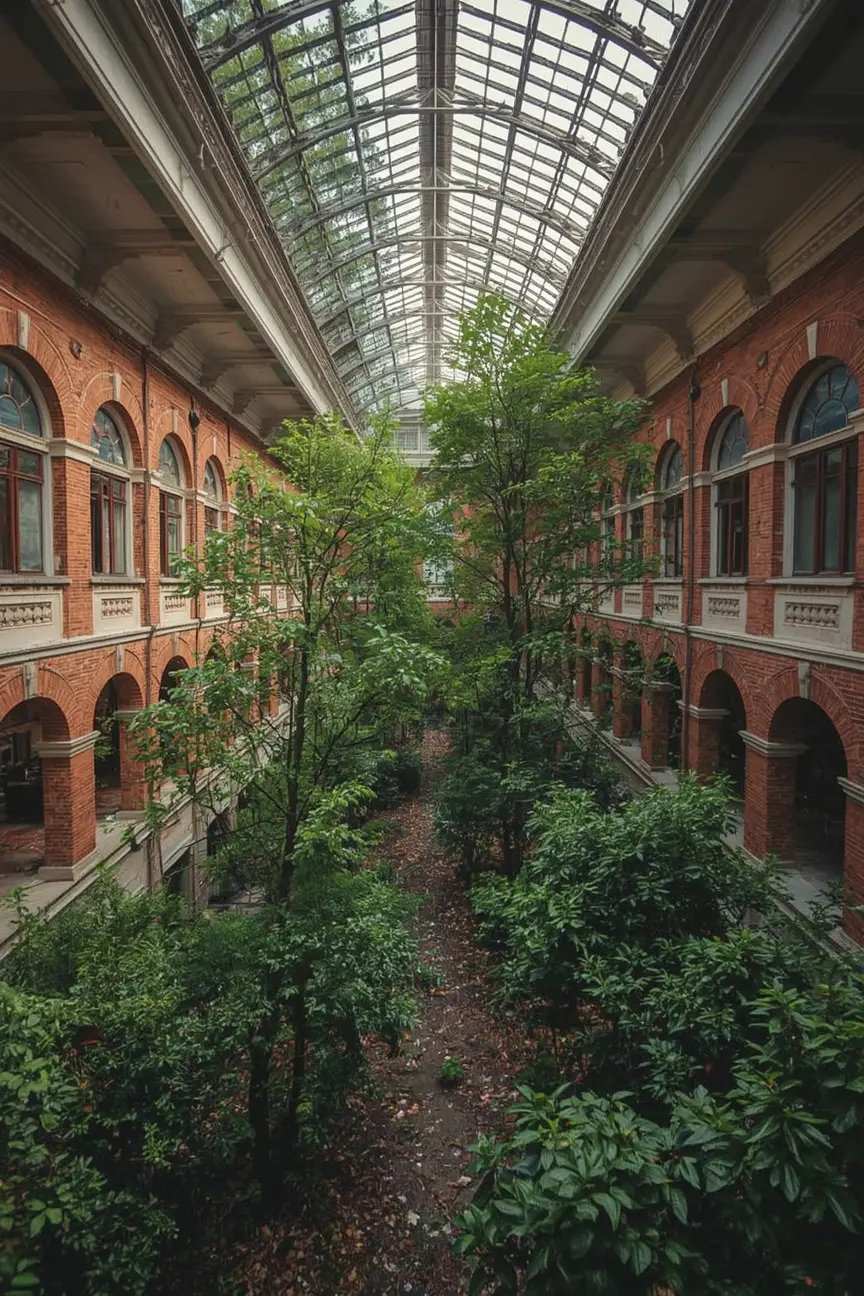
But urbex in Germany is not just about finding dramatic ruins. It is also about understanding strict property rules, real structural hazards, and the need for a preservation-first mindset.
This guide explains what urban exploration in Germany actually involves, where the main regional patterns are, and how to approach research without promoting trespassing or unsafe behavior.
What should you know before doing urbex in Germany?
Urbex in Germany is possible only when access is lawful, safe, and clearly understood. Many abandoned places in Germany are privately owned, monitored, environmentally hazardous, or structurally unstable. The best Germany urbex guide is simple: verify the status of a site, never force entry, respect closures, and prioritize preservation over photos.
Quick summary
- Germany has a large and varied stock of industrial, military, transport, and institutional abandoned sites.
- The strongest urbex regions are usually linked to industry, former East German infrastructure, and large metropolitan belts.
- Legal access matters more than visual interest; many sites are private, restricted, or actively monitored.
- Common risks include unstable floors, asbestos, mold, open shafts, broken glass, and security systems.
- Responsible urban exploration in Germany depends on research, verified information, and non-invasive behavior.
- MapUrbex is most useful when you want curated maps and a preservation-first way to plan research.
Quick facts
- Country focus: Germany
- Best-known urbex themes: factories, hospitals, barracks, rail sites, bunkers, hotels, estates
- Main challenge: strict access rules and uneven legal status from site to site
- Best approach: research first, verify ownership or permission, avoid risky or restricted areas
- Planning tool: Browse all urbex maps
- Further reading: Urbex in Germany: How to Find Abandoned Places Legally and Safely
Why is Germany a major destination for urbex?
Germany is a major urbex destination because its built environment reflects several layers of modern European history. Industrial expansion, wartime destruction, postwar rebuilding, state-owned infrastructure, reunification, and regional economic shifts all left behind unused structures.
That does not mean every region is equally rich in accessible sites. In practice, the density of abandoned places in Germany tends to be highest around former industrial corridors, logistics zones, military landscapes, and areas shaped by long-term demographic change.
Germany also attracts photographers and researchers because site types are diverse. A single trip can include power infrastructure, railway buildings, abandoned hotels, workshops, administrative blocks, and rural estates.
Which regions are best known for abandoned places in Germany?
The best-known regions for abandoned places in Germany are usually Berlin and Brandenburg, the Ruhr area, parts of Saxony, former military zones in eastern Germany, and selected coastal or rural areas with older infrastructure. Each region has a different site profile and a different level of legal sensitivity.
| Region | Typical abandoned places | What explorers should expect | Access reality |
|---|---|---|---|
| Berlin and Brandenburg | Barracks, hospitals, villas, Soviet-era remnants, rail sites | High interest, heavy documentation, frequent security | Many places are restricted or watched |
| Ruhr area | Factories, workshops, industrial estates, warehouses | Strong industrial heritage, large-scale complexes | Some zones are fenced, redeveloped, or unsafe |
| Saxony and eastern cities | Mills, schools, residential blocks, plants | Mixed urban and rural opportunities | Status changes quickly site by site |
| Former military belts | Bunkers, depots, training areas, support buildings | Historic interest, remote settings | Often highly sensitive and sometimes dangerous |
| Coastal and port areas | Warehouses, maritime buildings, hotels | Weather exposure and rapid decay | Ownership and restrictions vary widely |
If you want city-focused inspiration, Urbex Germany: Top 25 Abandoned and Restricted Places Around Berlin, Hamburg and Munich is a useful next step.
How can you find abandoned places in Germany legally and safely?
You can find abandoned places in Germany more safely by combining public research, local context, and verified mapping instead of relying on rumors or risky pin-sharing. The goal is not just to locate a building. The goal is to understand whether it is abandoned, accessible, lawful to approach, and safe to document.
A responsible research process usually includes:
- checking whether the site is clearly private, operational, or fenced
- reviewing recent reports instead of old forum posts
- confirming whether redevelopment has begun
- distinguishing a visible ruin from a legally visitable location
- avoiding utility, rail, military, and active industrial property
A good starting point is Browse all urbex maps. If you want a method-focused walkthrough, read Urbex in Germany: How to Find Abandoned Places Legally and Safely.
MapUrbex's value is not in encouraging entry. It is in helping users organize verified locations, compare regions, and plan responsible documentation.
What legal rules matter for urban exploration in Germany?
The most important legal point is simple: being abandoned does not make a place public. In Germany, many ruins remain private property, and entry without permission can create legal problems even when a site looks open.
Several limits matter in practice:
- Private property: fences, locks, gates, signs, and obvious ownership indicators matter
- Restricted infrastructure: rail, power, water, telecom, and logistics sites can involve additional security concerns
- Military or former military land: status may be unclear, but that does not mean access is allowed
- Hazard zones: environmental contamination or unsafe structures can lead to closure regardless of ownership
- Photography assumptions: permission to photograph is not the same as permission to enter
Rules can vary by state, municipality, and site status. For that reason, any Germany urbex guide should be treated as a planning resource, not as legal advice.
What risks are common inside German abandoned sites?
The most common risks inside abandoned sites in Germany are structural failure, toxic materials, environmental exposure, and false assumptions about vacancy. A silent building can still contain live utilities, weak roofs, unsecured basements, or active surveillance.
Typical hazards include:
- rotten floors and collapsing staircases
- asbestos, mold, dust, and chemical residue
- open pits, elevator shafts, and flooded lower levels
- shattered glass, protruding metal, and unstable debris
- remote settings with poor phone signal
- security response or unexpected occupants
Even where a visit is legal and authorized, risk assessment matters. Responsible explorers do not climb unsupported structures, move barriers, or enter spaces they cannot evaluate safely.
How should you plan a responsible urbex trip in Germany?
A responsible urbex trip in Germany starts with fewer sites, better verification, and a clear exit plan. Quality research is usually more useful than trying to collect many pins in one day.
A solid planning checklist looks like this:
- define the region and site type you want to study
- review recent information, not only historic photos
- confirm whether the site is abandoned, restricted, or repurposed
- prioritize daylight, weather awareness, and straightforward access routes
- avoid solo visits when conditions are uncertain
- leave everything exactly as found
- never publish sensitive details that increase vandalism or theft risk
This is where curated resources matter. MapUrbex is built around verified locations, responsible urbex practices, and preservation-first research.
What makes a good Germany urbex guide today?
A good Germany urbex guide is accurate, recent, and honest about limits. It should help people understand context, not simply chase coordinates.
The most useful guide will:
- explain regional patterns instead of promising guaranteed access
- separate legal research from risky behavior
- identify common hazards clearly
- warn when places are usually restricted
- favor verified data over viral lists
For broader trip planning, Browse all urbex maps gives a clearer overview than scattered social media posts.
FAQ
Is urbex legal in Germany?
Urbex is only legal in Germany when access itself is legal. An abandoned appearance does not remove property rights, safety closures, or restricted status.
What types of abandoned places can be found in Germany?
Germany is known for industrial buildings, hospitals, military remnants, hotels, rail sites, schools, estates, and administrative complexes. Availability varies strongly by region.
Is Berlin the best city for urbex in Germany?
Berlin is one of the most famous areas, especially when combined with Brandenburg, but it is not automatically the easiest or safest. Many well-known sites are monitored, fenced, or heavily documented.
Can you photograph abandoned buildings in Germany?
You can photograph them from lawful public space in many situations, but photography rights do not automatically grant entry. Interior access still depends on permission and site status.
Why do so many Germany urbex locations become unusable over time?
Because status changes quickly. Demolition, redevelopment, fires, security upgrades, and ownership changes can turn a known location into a closed or unsafe site.
Conclusion
Urbex in Germany is compelling because the country combines industrial depth, historical complexity, and a broad range of abandoned places. That same complexity is why careful research matters.
The best approach is not to chase the most famous ruin. It is to verify status, respect property, avoid dangerous assumptions, and use curated resources that support responsible urban exploration in Germany.
Ready to plan more carefully?
Access the free urbex map
