 MapUrbex
A practical guide to urbex in Clermont-Ferrand, with the main types of abandoned places in Auvergne, the best search zones, key risks, and verified map options.
Urbex in Clermont-Ferrand: Urban Ruins and Forgotten Sites in Auvergne
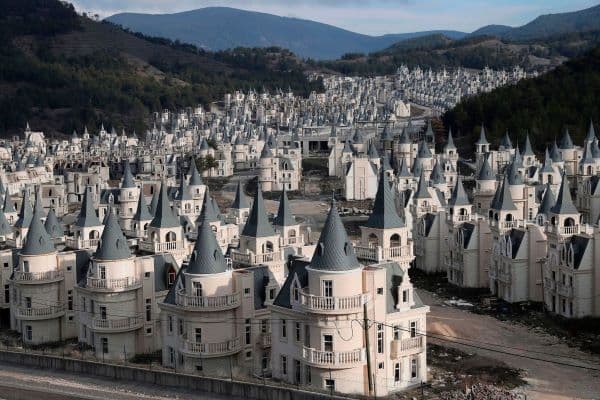
Clermont-Ferrand is one of the most interesting urbex bases in central France. The city stands between industrial history, transport infrastructure, and the wider rural abandonment patterns of Auvergne.
For most people researching urbex in Clermont-Ferrand, the hard part is not curiosity. It is finding reliable, current leads without relying on random social posts, outdated coordinates, or risky advice.
This guide explains what kinds of abandoned places are realistic around Clermont-Ferrand, which areas usually produce the best leads, and why a verified map is more useful than rumor-driven exploration.
Where can you do urbex in Clermont-Ferrand?
Urbex in Clermont-Ferrand is usually found on the edges of the city, in former industrial zones, disused service buildings, rural structures in the surrounding Auvergne countryside, and occasionally in forgotten hamlets farther from the center. The best results usually come from verified leads in the wider Clermont-Ferrand area, not from overexposed downtown spots that have already been closed, demolished, or secured.
The city center itself is rarely the strongest option. In practice, most worthwhile abandoned places are found in the broader metropolitan belt and in nearby rural sectors.
Quick summary
- Clermont-Ferrand urbex is usually stronger in the outskirts than in the historic center.
- The local mix includes urban ruins, industrial leftovers, small service buildings, and rural abandoned places.
- Auvergne offers variety, but many sites are weather-damaged, sealed, or structurally fragile.
- Verified locations save time and reduce the risk of arriving at demolished or inaccessible places.
- Responsible urbex means no forced entry, no trespassing, and no damage to abandoned sites.
- A curated map is usually more efficient than social media coordinates.
Quick facts
- Area covered: Clermont-Ferrand and the surrounding Auvergne zone
- Best for: photographers, researchers, road-trip explorers, industrial heritage fans
- Most common site types: former factories, depots, outbuildings, forgotten rural properties
- Less common: large intact city-center sites
- Main risks: unstable floors, roof damage, weather exposure, legal access issues
- Best workflow: use verified information first, then confirm site status before visiting
Which types of abandoned places are most common around Clermont-Ferrand?
Around Clermont-Ferrand, the most common abandoned places are industrial leftovers, semi-rural compounds, utility buildings, and small forgotten properties rather than huge cinematic ruins. That pattern reflects both the city's industrial past and the wider low-density landscape of Auvergne.
| Site type | What you can expect | Typical condition | Best use |
|---|---|---|---|
| Former factories | Workshops, storage halls, industrial shells, occasional machinery remains | Often stripped, fenced, or partially secured | Exterior photography and heritage research |
| Rural outbuildings | Barns, farm annexes, empty compounds | Fragile and weathered | Landscape-focused exploration |
| Small service sites | Offices, depots, utility buildings | Mixed condition, sometimes resecured | Scouting and documentation |
| Forgotten hamlets | Isolated houses, communal buildings, minor ruins | Usually very degraded | Contextual exploration from legal access points |
Not every abandoned-looking place is a usable urbex spot. Some are active private property, some are under redevelopment, and some are too unstable to justify entry even when they appear open.
Which areas around Clermont-Ferrand usually produce the best urbex leads?
The best leads around Clermont-Ferrand usually come from former industrial edges, transport-adjacent sectors, and smaller settlements in the wider Puy-de-Dome landscape. In short, the broader area is more productive than the postcard center.
Several recurring patterns matter:
- Industrial outskirts: older workshops, depots, and business plots on the metropolitan edge
- Service corridors: storage compounds, utility lots, and back-of-zone buildings that have lost their original use
- Smaller nearby towns: disused schools, workshops, small warehouses, and municipal leftovers
- Rural Auvergne: farm ruins, empty houses, and overlooked structures beyond the main road network
- Transport edges: rail-adjacent or logistics-related structures, often interesting but legally sensitive
These categories do not guarantee access. They only describe where abandoned places are more likely to exist. MapUrbex recommends checking current status and staying outside any restricted or unsafe area.
How can you find abandoned places near Clermont-Ferrand without wasting time?
The fastest way to find abandoned places near Clermont-Ferrand is to start with a verified map, then check recent status and access conditions before planning a route. That method is more reliable than chasing reposted coordinates.
A simple workflow works well:
- Start with a curated database instead of rumors.
- Filter for the Clermont-Ferrand area and nearby Auvergne sectors.
- Check whether a site is still standing, sealed, monitored, or demolished.
- Cross-reference with recent imagery and public-access context.
- Skip any site that would require trespassing or forced access.
Useful starting points include Browse all urbex maps, Access the free urbex map, and Free Urbex Map 2026: The Complete Guide to Verified Abandoned Places Maps.
If you want a broader research method, read How to Find Abandoned Places Near You. It explains how to evaluate leads instead of collecting random lists.
What risks matter most at abandoned sites in Auvergne?
The biggest risks in Auvergne are structural instability, exposure to weather, hidden vertical drops, and legal access problems. In many cases, the rural setting makes sites look calm while the real hazards are inside the floors, roofs, and outbuildings.
The most common risk factors are:
- rotten floors and collapsing staircases
- roof failure and unstable upper levels
- broken glass, rusted metal, and sharp debris
- asbestos or other hazardous materials in former industrial buildings
- isolated terrain with weak phone signal
- private property restrictions or active surveillance
A basic rule is simple: if access is unclear, if a structure is deteriorating, or if entry would require bypassing protection, do not enter. Responsible urbex is preservation-first and never includes forced entry, theft, or vandalism.
Is Clermont-Ferrand urbex good for beginners?
Clermont-Ferrand urbex can work for beginners if the focus is on low-risk, verified, and legally observable locations. It is a poor choice for beginners who expect easy access to large sealed factories or want to follow random coordinates from social media.
Beginners usually do better with daylight scouting, exterior photography, and mapped locations that have already been checked for current status. For a full starting method, read How to Start Urbex: The Complete Beginner's Guide.
FAQ
Is urbex legal in Clermont-Ferrand?
Urbex itself is not a special legal category that overrides property law. In practice, legality depends on ownership, access conditions, and local restrictions. If a place is private, fenced, posted, or clearly secured, entering without permission can be illegal.
What is the best season for abandoned places in Auvergne?
Spring and autumn are often the most practical seasons. Light is balanced, vegetation is manageable, and temperatures are usually better than in winter mountain conditions or summer overgrowth.
Are industrial ruins or rural abandoned places more common near Clermont-Ferrand?
Rural abandoned places are often more numerous across the wider Auvergne area, while industrial ruins are more concentrated around the metropolitan fringe. The best choice depends on whether you want architecture, atmosphere, or easier road access.
Should you trust coordinates shared on social media?
Usually not without verification. Public coordinates are often outdated, intentionally misleading, overexposed, or tied to unsafe sites. Verified mapping is far more efficient for trip planning.
Can a verified map save time for a Clermont-Ferrand urbex trip?
Yes. A verified map helps you avoid demolished locations, sealed entries, and low-value rumors. It also makes it easier to build a route around real opportunities instead of guesswork.
Conclusion
Clermont-Ferrand urbex is less about one famous abandoned place and more about a varied regional landscape. Industrial leftovers, forgotten service sites, and rural ruins across Auvergne create better opportunities than most exposed city-center rumors.
If you want a practical starting point, prioritize verified locations, current status checks, and responsible exploration. That approach is safer, faster, and more useful than chasing random pins.
Need a better starting point for Clermont-Ferrand and the rest of France?
Access the free urbex map
