 MapUrbex
A practical guide to urbex Dijon with verified maps, legal basics, safety rules, and smarter ways to find abandoned places in Burgundy.
Urbex Dijon: How to Explore Abandoned Places in Burgundy Responsibly
Dijon attracts urbex interest because Burgundy combines industrial heritage, military remains, railway traces, and rural ruins within a relatively compact region. The real challenge is not just finding addresses. It is finding places that are still relevant, still standing, and worth checking with current information.
MapUrbex approaches urbex Dijon with a verification-first method. This guide explains how to search for abandoned places in Dijon, how to plan responsibly, and how to avoid the common mistakes that make old location lists unreliable.
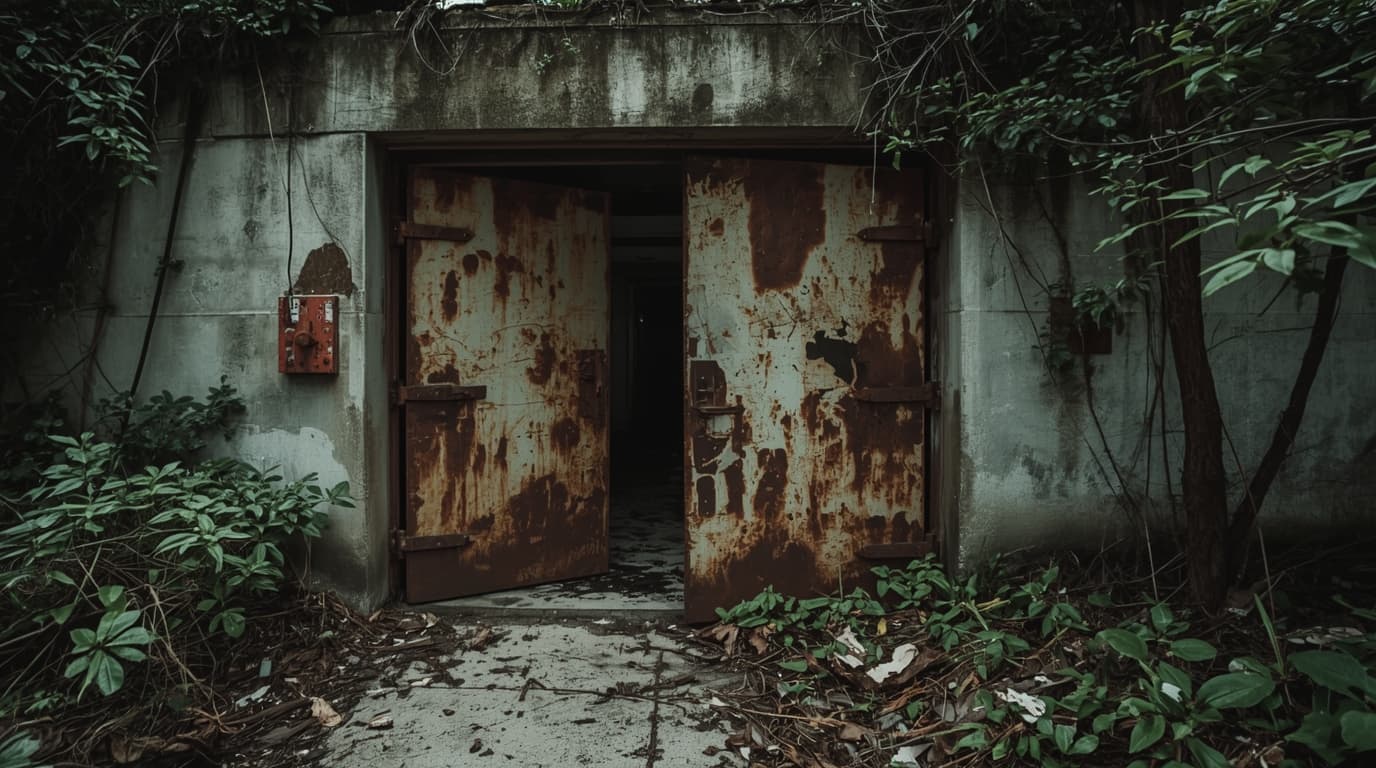
What is the best way to do urbex in Dijon?
The best way to do urbex in Dijon is to use a verified map, confirm the recent status of each site, respect private property, and avoid any forced entry. In practice, responsible urban exploration in Dijon means planning around current information, public-space visibility, and low-impact behavior rather than chasing outdated address lists.
Quick summary
- Urbex Dijon is best approached as a research and planning task, not a race for secret coordinates.
- The most useful abandoned places in Dijon are often found through status-checked regional mapping, not old forum posts.
- Burgundy offers varied site types: industrial remains, agricultural buildings, military traces, and transport infrastructure.
- Verification matters because sites can be sealed, demolished, reused, or occupied.
- Legal and safety checks are essential: no trespassing, no forced access, and no damage.
- MapUrbex is designed for verified locations, responsible urbex, and preservation-first route planning.
Quick facts
| Topic | What to know |
|---|---|
| Main search area | Dijon and the wider Burgundy region |
| Common site types | Industrial, rural, military, transport-related |
| Best planning method | Use verified, recently updated map data |
| Main risk | Outdated information about access or condition |
| Legal baseline | Respect private property and local restrictions |
| Best mindset | Observe, document, preserve |
Where can you find abandoned places in Dijon and Burgundy?
You can find abandoned places in Dijon and Burgundy by looking beyond the historic center and focusing on regional patterns. The city itself is not only about monuments and wine routes. Around Dijon, abandoned places are more often connected to industry, storage, transport, agriculture, or former institutional use.
That means urbex Burgundy usually includes several categories:
- former workshops or light industrial units
- disused farm buildings and rural outbuildings
- railway-adjacent structures and service areas
- military remnants or defensive infrastructure
- empty institutional or utility-related buildings outside dense central zones
This is why a city guide for Dijon often overlaps with a regional guide for Burgundy. The most interesting options are not always inside the city core.
Why is verification essential for abandoned places in Dijon?
Verification is essential because abandoned places change fast. A site that looked accessible in an old photo set may now be sealed, reused, monitored, or gone entirely.
This is especially true in medium-size French cities and nearby rural zones, where ownership changes, rehabilitation projects, and demolition can happen quietly. Old lists for lieux abandonnés à Dijon often stay online long after the information becomes inaccurate.
A good verification process checks:
- whether the structure still exists
- whether the site appears active or occupied
- whether access is legally restricted
- whether the place has been sealed or heavily damaged
- whether the route can be observed safely from public space
For a broader method, read How to Find Abandoned Places Near You. To understand how quickly data expires, see Abandoned Places That Disappeared in 2025: Demolished, Reused, or Sealed.
What legal and safety rules matter most for urban exploration in Dijon?
The most important rule for urban exploration in Dijon is simple: an abandoned place is not automatically legal to enter. Property rights still apply even when a building is unused.
Key reminders for responsible urbex Dijon:
- never trespass on private property
- never force a door, window, fence, or barrier
- never enter a site that is clearly occupied, secured, or under active work
- never go alone into unstable structures
- never touch hazardous materials, wiring, shafts, roofs, or flooded areas
- never remove objects or publish details that increase vandalism risk
Safety reminder: MapUrbex supports preservation-first exploration. If access is unclear, do not enter. Observation from lawful public space is often the safest option.
How should you plan an urbex Dijon route?
A good urbex Dijon route starts with verification, travel logic, and a backup plan. The goal is to reduce wasted time and avoid risky improvisation.
A practical route-planning checklist looks like this:
- choose a small number of sites rather than an oversized list
- group locations by driving or transit time
- check the weather, because rain changes floors, stairs, basements, and visibility
- prefer daytime visits for safer observation and documentation
- note legal boundaries and public vantage points in advance
- prepare alternative stops in case a site is sealed, active, or unsuitable
If you want a broader mapping workflow, Free Urbex Map 2026: The Complete Guide to Verified Abandoned Places Maps explains how verified map systems are more useful than random address dumps.
Which types of abandoned places are common around Dijon?
Around Dijon, the most common abandoned places are usually modest and functional rather than monumental. That is typical of urban exploration Dijon and the surrounding Burgundy landscape.
You are more likely to encounter:
- small industrial premises
- storage or utility buildings
- agricultural ruins and outbuildings
- former transport infrastructure
- scattered military or defensive remains
Large cinematic ruins do exist in Burgundy, but they are less common than practical, weathered, medium-scale sites. For many explorers, the value comes from atmosphere, local history, and current condition rather than size.
How does MapUrbex help you explore Burgundy more efficiently?
MapUrbex helps by filtering for relevance instead of volume. For transactional search intent, that matters: people looking for urbex Dijon usually need a usable map, a smarter planning tool, and fewer dead ends.
Instead of relying on vague social posts, you can Browse all urbex maps to compare regions and use Access the free urbex map to start with a lighter planning workflow. The focus is on curated maps, responsible urbex, and preserving locations rather than burning them.
Frequently asked questions
Is urbex legal in Dijon?
Urbex itself is not a legal exception. If a building is on private property or access is restricted, entry may be illegal. Always respect ownership, barriers, and local rules.
What should you bring for abandoned places in Burgundy?
Bring a charged phone, flashlight, solid shoes, water, offline navigation, and basic first-aid supplies. Do not bring tools intended for entry. If access is unclear, do not proceed.
Are old online location lists reliable for urbex Dijon?
Usually not for long. Sites change status quickly, especially around cities where redevelopment, sealing, or occupancy can happen without much public notice.
Can you explore abandoned places around Dijon in winter?
Winter can improve visibility because vegetation is lower, but it also increases hazards such as wet floors, cold exposure, and slippery surfaces. Short daylight hours make planning more important.
Should you publish exact coordinates of abandoned places in Burgundy?
In most cases, no. Publicly sharing exact coordinates can accelerate vandalism, theft, and sealing. Preservation-first explorers share responsibly and avoid exposing fragile sites.
Conclusion
Urbex Dijon is best treated as a disciplined regional search, not as a list of secret spots. Dijon and Burgundy can offer strong industrial, rural, and military atmospheres, but the quality of the experience depends on verification, legality, and restraint.
If you want better results, use current map data, plan around public-space observation or authorized access, and avoid outdated location drops. Responsible urbex protects both explorers and places.
Access the free urbex map
