 MapUrbex
A practical urbex guide to Bordeaux: where abandoned bunkers and factories are usually found, which districts matter, and how to explore responsibly.
Urbex Bordeaux: Where to Find Abandoned Bunkers and Factories
Bordeaux is not the easiest French city for random urban exploration. Many former industrial sites have been redeveloped, secured, or demolished. That makes a reliable urbex Bordeaux guide more useful than scattered forum tips.
The city still has strong urbex interest because it combines port history, rail infrastructure, military traces, and suburban industrial belts. If you are looking for abandoned bunkers in Bordeaux or abandoned factories in Bordeaux, the real answer is less about one viral spot and more about understanding where these site types usually cluster.
MapUrbex focuses on verified locations, responsible urbex, and preservation-first research. That means no risky shortcuts, no forced access, and no encouragement to trespass.
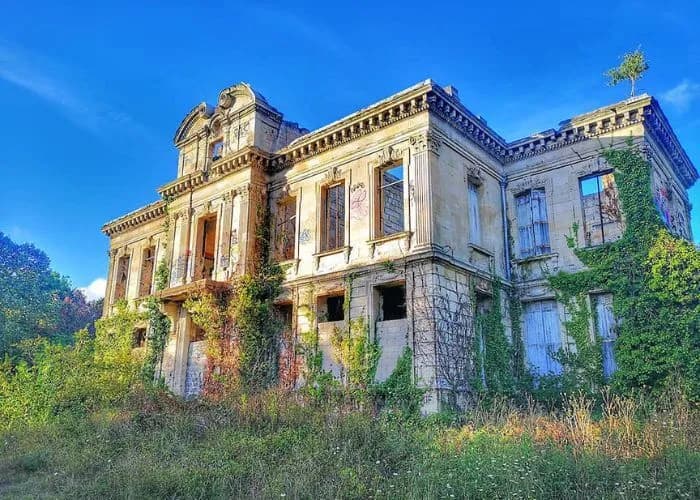
Where can you find abandoned bunkers and factories for urbex in Bordeaux?
In and around Bordeaux, abandoned bunkers are usually linked to former military, river, or coastal defense contexts, while abandoned factories are more often found in older port, rail, warehouse, and industrial belts. Within the city itself, many well-known ruins have changed status, so the most reliable method is to focus on verified zones and current access conditions rather than outdated coordinates.
Quick summary
- Bordeaux urbex is shaped by port history, rail infrastructure, and industrial redevelopment.
- Abandoned bunkers are more likely on the wider metropolitan and estuary side than in central Bordeaux.
- Abandoned factories are usually linked to former docks, warehouses, workshops, and logistics areas.
- Many classic spots are now sealed, converted, or heavily monitored.
- A good urbex Bordeaux guide should prioritize legal boundaries, safety, and recent verification.
- Curated maps are more reliable than social media posts with old coordinates.
Quick facts
- Primary search intent: informational guide
- Best known site types: bunkers, factories, warehouses, rail remains
- Best approach: zone-based research, not random pin hunting
- Main constraint: frequent redevelopment and changing access
- Responsible rule: never enter private property without permission
- Useful next step: Browse all urbex maps
Why does Bordeaux attract so much urbex interest?
Bordeaux attracts urban explorers because its history left several layers of infrastructure in and around the city. Port activity, wine logistics, railway connections, military functions, and suburban industry all created the kinds of structures that often become urbex targets.
At the same time, Bordeaux has changed quickly. Districts that once held obvious ruins have been upgraded, repurposed, or fenced off. That is why many old urbex Bordeaux lists age badly.
For a broader overview of the local scene, see Urbex in Bordeaux: the best abandoned places in and around Bordeaux.
Which parts of Bordeaux are most likely to contain urbex sites?
The most promising areas are usually former industrial, logistical, port-side, and peripheral belts rather than the historic center. This does not mean open access. It means those zones have the strongest historical logic for abandoned structures.
| Area type around Bordeaux | What you may find | Why it matters for urbex Bordeaux | Common reality today |
|---|---|---|---|
| Former dock and port belts | Warehouses, workshops, utility buildings | Strong industrial heritage | Often redeveloped or secured |
| Rail-side and logistics edges | Service buildings, depots, storage remains | Transport infrastructure leaves many secondary structures | Access changes quickly |
| Peripheral industrial estates | Small factories, workshops, office shells | Older businesses relocate or close | Mixed ownership and monitoring |
| Military or defense-related zones around the wider area | Bunkers, reinforced structures, storage remains | Best context for abandoned bunkers near Bordeaux | Often isolated, unstable, or protected |
| River and estuary environments | Concrete remains, defenses, utility structures | Historic strategic geography | Weather damage and legal restrictions |
The key point is simple: central Bordeaux is not where most serious abandoned bunkers are found. Factory-type sites are more likely in old working districts and outskirts than in postcard areas.
Where are abandoned bunkers in Bordeaux usually found?
Abandoned bunkers in Bordeaux are usually found by looking beyond the city center and toward wider military or defensive geography. In practice, that means paying attention to the metropolitan fringe, river corridors, and the broader estuary context rather than expecting many accessible bunker sites in the historic core.
This pattern makes sense historically. Defensive concrete structures were built for strategic routes, storage, observation, and protection, not for ornamental city streets.
For researchers, that means two things:
- focus on historical function before searching for a pin
- expect many bunker leads to be inaccessible, flooded, damaged, or legally sensitive
If you want a mapped overview built around current verification, see Urbex Bordeaux: Where to Find Bunkers and Abandoned Factories.
Where are abandoned factories in Bordeaux usually found?
Abandoned factories in Bordeaux are usually linked to former production and logistics zones, especially near old port activity, warehouse belts, transport infrastructure, and suburban business edges. They are rarely random standalone finds in the historic center.
In practical terms, the best urbex Bordeaux research often starts with urban history. Ask which areas handled storage, transformation, shipping, repair, or rail support. Those are the places where industrial remains are most likely to survive.
Typical factory-related leads include:
- former workshops attached to transport corridors
- storage and bottling infrastructure linked to trade
- light industrial buildings in older peripheral zones
- utility buildings near depots and warehouse estates
Many of these places are no longer truly abandoned in the casual sense. Some are under renovation. Some are vacant but monitored. Some survive only as exterior shells.
How can you identify serious urbex spots in Bordeaux without relying on bad coordinates?
The safest and most reliable method is to combine recent verification with contextual research. Old coordinates from forums, videos, or reposted maps are often wrong because Bordeaux changes fast.
A strong research method usually includes:
- checking whether the zone has industrial or military logic
- confirming whether the structure still exists
- looking for visible signs of redevelopment or sealing
- avoiding any site that requires climbing, breaking in, or crossing obvious private barriers
If you are new to the method, read How to Start Urbex: A Beginner's Guide to Urban Exploration.
What legal and safety rules matter for urbex in Bordeaux?
The most important rule is that urban exploration does not override property rights or safety limits. In Bordeaux, as elsewhere in France, private sites, fenced compounds, active redevelopment areas, and unstable ruins can create both legal and physical risk.
Keep these basics in mind:
- do not enter private property without permission
- never force doors, fences, or panels
- avoid solo entry into unstable industrial structures
- assume floors, roofs, and stairwells may have failed
- respect neighbors, workers, and site history
- never publish details that would increase vandalism or theft
Responsible urbex is preservation-first. If a place cannot be visited legally and safely, the right choice is to document it from public space or skip it.
What is the best urbex Bordeaux strategy for beginners?
For beginners, the best strategy is to treat Bordeaux as a research city rather than a jackpot city. Public exteriors, historical observation, and curated maps are more useful than chasing one sensational ruin.
A practical beginner plan looks like this:
- start with broad zone knowledge
- favor exterior photography from public space
- compare current satellite and street-level context when available
- avoid military remains and unstable factories unless conditions are clearly lawful and safe
- use curated resources instead of rumor-based lists
FAQ
Are there many abandoned bunkers inside Bordeaux city itself?
No. Most bunker-related leads are more likely in the wider Bordeaux area and strategic river or defense contexts than in the dense historic center.
Are abandoned factories in Bordeaux easy to access?
No. Many former factory sites are sealed, monitored, under redevelopment, or legally off-limits. Existence does not mean lawful access.
Is Bordeaux a good city for beginner urbex?
Yes, but mainly for careful observation and research. It is less suitable for reckless entry because site status changes quickly and redevelopment is common.
What makes a good urbex Bordeaux guide?
A good guide explains site types, likely zones, current verification, legal limits, and safety risks. It does not rely on outdated coordinates or encourage trespassing.
Should you trust old spot lists on social media?
Not without verification. In Bordeaux, old spot lists often point to demolished buildings, converted sites, or locations that are now secured.
Conclusion
The best answer to the query "urbex Bordeaux" is not a secret list of easy entries. It is a clear understanding of the city's industrial and military geography. Abandoned bunkers are usually linked to wider defensive contexts, while abandoned factories are more often tied to port, rail, warehouse, and suburban industrial belts.
Because Bordeaux changes fast, the most useful urbex Bordeaux guide is one that values current verification, responsible behavior, and preservation-first exploration.
Access the free urbex map
