 MapUrbex
A practical guide to urbex Belgium with 30 factory and hospital site profiles, regional insights, safety reminders, and responsible research tips.
Urbex Belgium: Top 30 Abandoned Factories and Hospitals to Research
Belgium is one of Europe's most searched countries for industrial and institutional urbex. Its coal basins, steel corridors, rail infrastructure, mills, and medical campuses create a dense landscape of abandoned places.
That density also creates confusion. Site status changes quickly, security varies, and many famous places are partly reused, sealed, or demolished. This guide explains how to think about urbex Belgium in a responsible, research-first way.
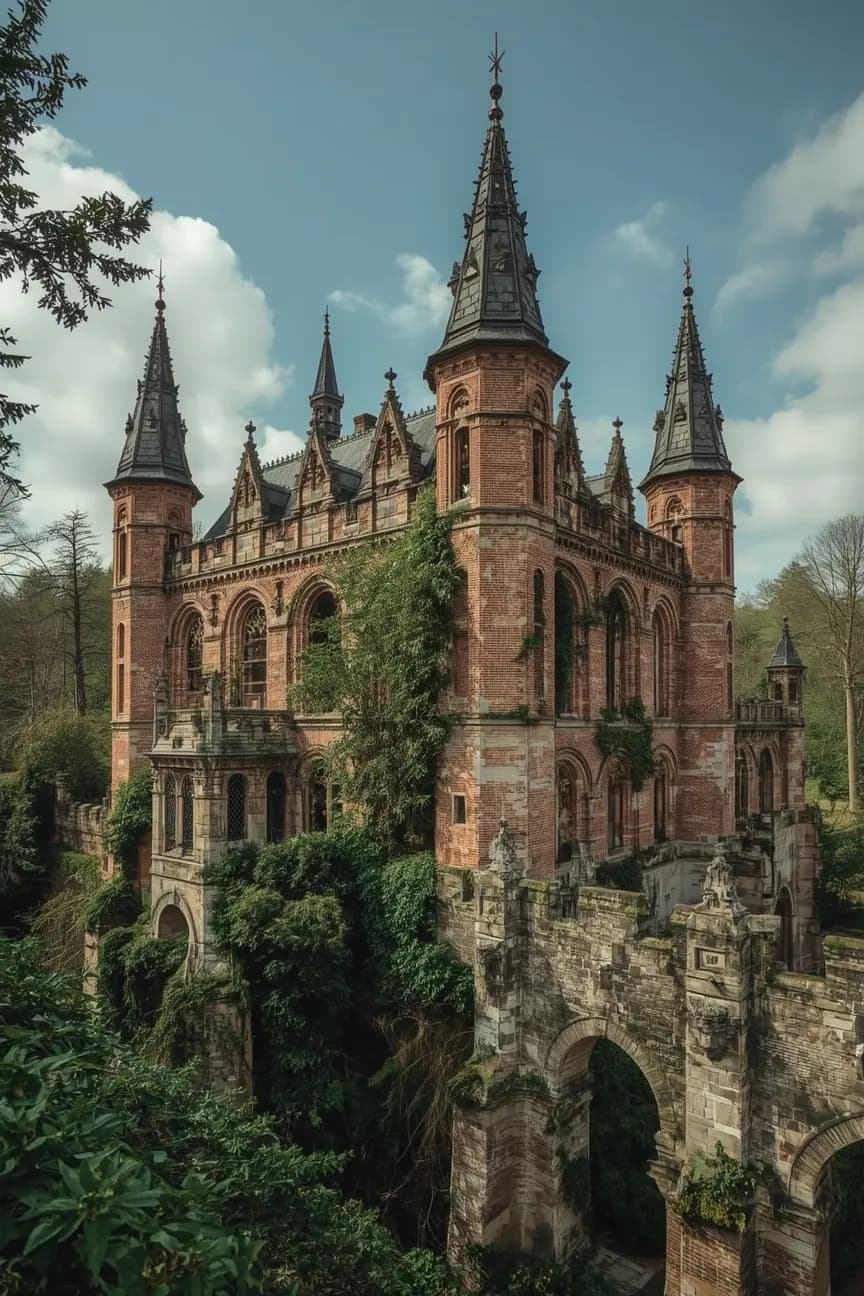
What are the best urbex spots in Belgium?
Belgium's best urbex sites are usually large abandoned factories in Wallonia, former industrial facilities around Liège and Hainaut, and disused hospital campuses on urban edges. The strongest sites combine historical value, visible architecture, and a clear legal context. For MapUrbex, the best sites are the ones worth documenting responsibly, not the ones that reward risky access.
Quick summary
- Belgium is one of Europe's richest countries for industrial urbex because of coal, steel, glass, rail, textile, and port history.
- Abandoned factories are more common than abandoned hospitals, but hospital sites generate strong visual interest.
- Wallonia usually has the highest density of large industrial ruins, especially in Hainaut and Liège.
- Site conditions change fast, so verification matters more than old forum lists.
- Responsible urbex in Belgium starts with legality, preservation, and public-viewpoint research.
- Curated maps reduce guesswork and help avoid unsafe or outdated leads.
Quick facts
- Country focus: Belgium
- Most searched categories: factories, workshops, mills, glassworks, hospitals, care complexes
- Strongest regions: Hainaut, Liège, Namur, Charleroi belt, older industrial zones near Brussels and Flanders
- Research difficulty: medium to high because closures and redevelopment are frequent
- Best method: verified map research, recent status checks, and exterior-first planning
| Topic | What matters in Belgium |
|---|---|
| Industrial density | Former coal, steel, rail, glass, and textile zones create many abandoned complexes |
| Hospital interest | Fewer in number than factories, but often more iconic in urbex searches |
| Legal risk | Ownership and access rules vary sharply; many sites are fenced, monitored, or protected |
| Best use of a map | Confirm existence, category, region, and recent status before any trip |
| Responsible practice | Never force entry, never remove objects, and avoid publishing sensitive access details |
Why is Belgium so important for urbex?
Belgium matters for urbex because it concentrates major industrial history into a small national area. Former mining towns, canal infrastructure, rail workshops, steel plants, warehouses, and medical institutions can all appear within short driving distances.
This makes comparison easier. In one region, a researcher may study a glassworks, a freight depot, and a pavilion-style hospital without crossing half a continent. That density is a major reason why searches for urbex places Belgium and top urbex sites Belgium remain consistently high.
For a wider overview, read Belgium Urbex Map: Best Abandoned Places and Responsible Exploration Guide.
Which Belgian regions have the most abandoned factories and hospitals?
Wallonia usually has the strongest concentration of abandoned factories in Belgium. Hainaut and Liège stand out because of heavy industry, mining history, and large transport-linked estates.
Namur and other parts of southern Belgium add mills, quarries, depots, and smaller industrial compounds. Flanders also matters, but the pattern is different. There, researchers more often find mills, breweries, warehouses, workshops, and port-related structures rather than massive steel-era shells.
Brussels and its fringes are useful for smaller institutional buildings, depots, and administrative remains, although urban turnover can be rapid.
What does a practical top 30 list for urbex Belgium look like?
A practical top 30 for urbex Belgium is best understood as 30 recurring site profiles. Exact places change over time, some are demolished, and others are sealed or redeveloped. The list below prioritizes research value without exposing sensitive entry details.
- Coal washery complex in Hainaut
- Blast furnace site in Liège Province
- Rolling mill hall in an old steel belt
- Glass factory in the Charleroi basin
- Ceramic or kiln-based factory in Wallonia
- Sugar refinery on a rural freight line
- Brewery plant with brick industrial architecture
- Textile spinning mill near older Ghent industrial zones
- Railway workshop in central Belgium
- Power substation linked to a former industrial yard
- Cement plant in the Meuse corridor
- Quarry processing facility in southern Belgium
- Grain silo or warehouse in a port hinterland
- Canal-side machine workshop
- Brickworks in Limburg or a comparable clay belt
- Paper mill in a river valley
- Chemical works exterior in an industrial port fringe
- Printing plant on a city periphery
- Metalworking shop in a secondary industrial estate
- Cold-storage depot linked to old logistics infrastructure
- Pavilion-style town hospital
- Forest-edge sanatorium or care complex
- Psychiatric hospital wing
- Former maternity clinic
- Postwar surgical block
- Retirement or care home with chapel
- Teaching hospital outbuilding
- Military medical facility
- Laboratory annex linked to a larger campus
- Rehabilitation center on a suburban edge
These categories show why abandoned factories Belgium and abandoned hospitals Belgium remain such strong search themes. Belgium offers variety, layered history, and a rare contrast between industrial production sites and medical architecture.
How should you choose between factories and hospitals in Belgium?
Choose factories if you want scale, industrial light, machinery remnants, and labor history. Choose hospitals if you want institutional layouts, medical narratives, and a quieter visual atmosphere.
Factories usually explain Belgium's economic past more clearly. Hospitals often produce stronger mood and symbolism, but they can also raise more ethical and safety concerns because of privacy issues, contamination risk, and partial reuse.
For most researchers, the best strategy is to combine both categories within one region instead of chasing only famous names.
What makes abandoned factories in Belgium especially valuable?
Belgian factories are valuable because they document the country's shift from heavy industry to post-industrial landscapes. Even stripped shells can still reveal transport logic, production flow, building technology, and the scale of former employment.
They are also highly varied. A glassworks, a rail workshop, a paper mill, and a brewery do not tell the same story. Each reflects different materials, energy systems, logistics networks, and regional economies.
For photography and documentation, exterior legibility often matters more than interior access. Chimneys, sawtooth roofs, conveyors, brick facades, silos, and loading bays can often be studied from lawful viewpoints.
What should you know about abandoned hospitals in Belgium?
Abandoned hospitals in Belgium draw attention because they combine architecture, memory, and silence. Pavilion layouts, tiled corridors, service annexes, chapels, and medical infrastructure create strong visual narratives even when interiors cannot be visited.
They also require more caution than many industrial sites. Hospitals can involve unstable floors, asbestos, records privacy, contamination issues, or active surveillance. Some campuses are partly reused, which makes legal boundaries especially important.
Safety reminder: responsible urbex never includes trespassing, forced entry, theft, vandalism, or sharing access methods. Respect ownership, residents, closures, and heritage protection rules.
How can you research urbex places in Belgium responsibly?
Responsible research begins with verification. Confirm that a site still exists, determine whether it is abandoned or partly reused, and decide whether public viewpoints are enough for your goal.
A strong workflow usually includes these steps:
- Start with a verified map instead of random social posts.
- Cross-check recent activity, demolition signs, and redevelopment plans.
- Prefer exterior documentation and lawful observation points.
- Avoid publishing doors, fence gaps, alarm details, or coordinates that could increase damage.
- Leave every place exactly as found.
MapUrbex focuses on verified locations, curated maps, and preservation-first exploration. You can Browse all urbex maps or read Belgium Urbex Map: Interactive Guide to Abandoned Bunkers and Factories for a more regional approach.
How do you build a one-day or weekend urbex Belgium itinerary?
A good urbex Belgium itinerary is compact and thematic. Pick one region, one main building type, and one backup area in case a site has changed status.
For a one-day plan, stay inside one industrial corridor. For a weekend, combine one factory-heavy zone with one institutional or military research theme. This reduces wasted driving and creates a more coherent historical route.
Shorter, verified lists are usually more useful than long outdated collections copied from old forums.
FAQ about urbex Belgium
Is Belgium good for urbex research?
Yes. Belgium is one of Europe's strongest countries for urbex research because it combines dense industrial history, varied building types, and short travel distances. The richest categories are usually factories, workshops, depots, forts, and a smaller number of hospitals or care institutions.
Are abandoned hospitals common in Belgium?
They exist, but they are less numerous than abandoned factories. Hospitals are heavily searched because they are visually memorable, not because they are the dominant abandoned building type across the country.
Which part of Belgium has the most industrial urbex?
Wallonia, especially Hainaut and Liège, usually has the deepest concentration of large industrial remains. Flanders adds mills, warehouses, breweries, and port-related structures, while Brussels offers smaller institutional and transport sites.
Is it legal to visit abandoned places in Belgium?
Legality depends on ownership, access rights, safety orders, and local enforcement. Many abandoned places are private property or secured areas. Responsible urbex means researching first, respecting the law, and never forcing access.
What is the safest way to find urbex places in Belgium?
The safest method is to use verified map-based research, recent status checks, and public-viewpoint planning. Avoid rumors, old coordinates, and social posts that encourage risky or illegal behavior.
Conclusion
Urbex Belgium stands out because few countries offer so many industrial and institutional traces within such short distances. The best approach is not to chase myths or secret entries. It is to study verified locations, understand regional history, and explore with a preservation-first mindset.
If you want better planning tools, use curated maps and recent verification instead of outdated lists.
Access the free urbex map
