 MapUrbex
A responsible global guide to 12 abandoned castles and manors for urbex research, photography planning, and legal access checks.
Urbex Abandoned Castles and Manors: 12 Places Worth Researching
Urbex fans are drawn to abandoned castles and manors because they combine scale, history, and decay in a single frame.
But this niche is easy to romanticize. Many sites are private, unstable, or only accessible through official tours. This guide focuses on recognizable places and responsible planning rather than risky entry.
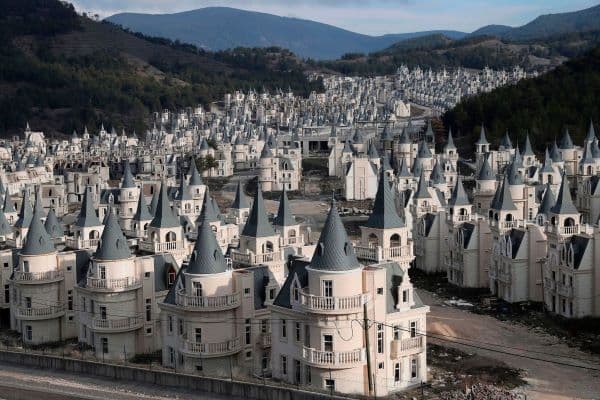
Which abandoned castles and manors deserve attention for urbex?
The best abandoned castles and manors for urbex research are places with strong visual character and clear access status. In practice, that means guided ruins, heritage sites, or documented private estates that can be viewed legally from outside. The 12 examples below are useful because they are well known, easier to verify, and safer to research than random unlisted properties.
Quick summary
- Not every famous castle ruin is legal to enter.
- The best urbex choices combine atmosphere, documented history, and clear rules.
- Guided ruins and exterior-view estates are better starting points than sealed private homes.
- Always verify ownership, site restrictions, and structural condition before travel.
- Do not force entry, remove objects, or share sensitive access details.
- MapUrbex works best as a verified, preservation-first research tool.
Quick facts
- Scope: global
- Format: 12 notable castles and manors, from managed ruins to closed estates
- Best use: trip inspiration, photography planning, and legality checks
- Main risk: unstable floors, hidden drops, and trespass issues
- Recommended approach: daylight, exterior-first, and current status verification
- Useful next step: Browse all urbex maps
Which 12 abandoned castles and manors stand out worldwide?
If you want a credible shortlist, start with documented ruins and estates that already have a public record, heritage context, or clear restrictions. That makes planning easier and reduces the risk of trespass.
| Place | Country | Why it stands out | Access posture |
|---|---|---|---|
| Bannerman Castle | United States | Island fortress with dramatic ruin profile | Official tours only |
| Château de la Mothe-Chandeniers | France | Romantic water-ringed château ruin | Limited events, verify current access |
| Sammezzano Castle | Italy | Famous interiors and long closure history | Usually closed, verify official openings |
| Duckett's Grove | Ireland | Gothic ruin in landscaped grounds | Public grounds with local rules |
| Witley Court | England | Monumental roofless court with heritage management | Managed visitor access |
| Slains Castle | Scotland | Cliffside ruin with strong atmosphere | Exterior approach, weather caution |
| Kopice Palace | Poland | Large neo-Gothic palace in visible decay | Status can change, verify locally |
| Khrapovitsky Castle | Russia | Vast estate with striking late-stage decay | Verify restrictions and safety |
| Pidhirtsi Castle | Ukraine | Fortified palace with major historic interest | Regional safety must come first |
| Moore Hall | Ireland | Burned manor ruin in woodland | Stay on marked routes |
| Lynnewood Hall | United States | Famous abandoned Gilded Age mansion | Private property, no entry |
| Villa De Vecchi | Italy | Mountain villa with strong urbex folklore | Access prohibited, do not trespass |
A few notes matter for context.
- Bannerman Castle is a good model for legal ruin tourism. It shows that dramatic decay can be experienced without illegal entry.
- Château de la Mothe-Chandeniers remains one of the most recognizable abandoned château images in Europe. Access can change with events and restoration activity.
- Sammezzano Castle is often discussed because of its interiors, but closure history means verification is essential.
- Duckett's Grove works well for beginners because the ruins are visible without the same level of access ambiguity found at private estates.
- Witley Court proves that some of the best castle-like urbex visuals are actually at heritage-managed ruins.
- Slains Castle is visually powerful, but coastal exposure means wind, mud, and edge safety matter as much as photography.
- Kopice Palace is a reminder that many famous places move between abandonment, restoration, and restriction.
- Khrapovitsky Castle is often cited for scale rather than ease of access. Current local conditions always override old reports.
- Pidhirtsi Castle belongs on historical lists, but present-day safety conditions may make travel inappropriate.
- Moore Hall is useful for walkers and photographers who prefer documented ruins over sealed interiors.
- Lynnewood Hall is a classic example of a place that is visually famous yet not a lawful urbex entry.
- Villa De Vecchi is surrounded by myth online. Treat it as a cautionary example of why folklore is not the same as legal access.
How should you plan a responsible castle or manor urbex trip?
The safest method is to plan around legal access, daylight, and exit options before thinking about photography. MapUrbex is strongest when it helps you filter attractive places through verified status, not when it encourages blind exploration.
Use this simple process:
- Start with mapped research and compare known categories on Browse all urbex maps.
- Check whether the site is public, guided, privately owned, fenced, or under restoration.
- Read broader research guides such as Abandoned Places Near Me: How to Find Urbex Spots Easily and Urbex Near Me: How to Find Abandoned Places Fast.
- Prefer daytime exterior scouting before any deeper visit.
- Leave immediately if access is unclear, conditions are unstable, or the property is occupied.
A legal reminder is important here. Responsible urbex never means breaking locks, bypassing barriers, or entering active private property without permission.
What should you verify before visiting any abandoned château or manor?
Before any visit, verify legality first and structure second. The visual appeal of a ruined staircase or ballroom does not change the fact that roofs, floors, and landings may have failed.
Check these points:
- Current ownership status
- Public access rules or tour schedule
- Heritage protection rules
- Recent restoration or security changes
- Parking and approach legality
- Weather, light, and exit timing
- Cell coverage and emergency fallback
For castles and manors, overgrowth is a specific hazard. Hidden wells, loose stone, rotten wood, and unprotected drops are common.
Why do castles and manors create unique urbex photography conditions?
Castles and manors are visually distinctive because they combine large volumes, decorative decay, and natural light. For photographers, that usually means strong window light, long corridors, stair symmetry, and vegetation reclaiming architecture.
In practice, expect:
- High contrast between bright windows and dark interiors
- Dust and moisture that affect lenses and footing
- Long focal lengths for façades and wide angles for halls
- Better results in soft morning or late-day light
- Safer shooting when you do not cross damaged floors
The best images often come from restraint. Exterior compositions, doorways, and visible upper halls can be more powerful than risky deep entry.
FAQ
Are abandoned castles legal to visit?
Some are, many are not. A castle can be abandoned in appearance and still be private, protected, or tour-only. Always verify current rules before travel.
Are manor houses safer than industrial sites?
Not automatically. Manors may look calmer than factories, but rotten floors, hidden basements, loose plaster, and unsafe stairs are common.
What gear is enough for a first daytime visit?
Use simple gear: solid shoes, charged phone, small flashlight, water, and a camera you can carry securely. Avoid overload and never rely on improvised lighting in unstable interiors.
Should you publish exact coordinates online?
Usually no. Publicly broadcasting sensitive spots can increase vandalism, theft, and unsafe copycat visits. Preservation-first sharing is the better standard.
Conclusion
Abandoned castles and manors are memorable because architecture and decay remain legible at the same time. The best approach is not to collect reckless entries. It is to research well, respect closures, and prioritize preservation over access.
For broader trip planning, compare verified options with Browse all urbex maps.
Access the free urbex map
