 MapUrbex
Learn how to spot unstable floors in urbex, recognize floor-collapse risks, and know when turning back is the only responsible decision.
Unstable Floors in Urbex: Warning Signs That Mean You Must Turn Back
An unstable floor in urbex is not a minor inconvenience. It is one of the clearest signals that a site may no longer support safe movement, even if the room looks intact from the doorway.
In abandoned buildings, floor failure can happen with little warning. The responsible choice is not to "test your luck". It is to recognize the signs early, avoid pressure on weak areas, and leave when the risk is uncertain.
What are the clearest signs of an unstable floor in urbex?
The clearest warning signs are sagging, bounce, cracking sounds, water damage, soft spots, broken finishes, and floors spanning a void such as a basement or lower level. If the surface shifts under light weight, sounds hollow, or shows rot, rust, or collapse nearby, treat it as a serious floor-collapse risk and turn back.
Quick summary
- A floor can fail even when a room looks visually calm.
- Water damage, rot, rust, and missing support are major red flags.
- Hollow sounds, bounce, and visible deflection mean you should stop immediately.
- Upper floors, stair landings, bathrooms, and rooms above basements often carry higher risk.
- In urbex, uncertainty is enough reason to retreat; never force a route.
- Responsible exploration starts with legal access, planning, and preservation-first decisions.
Quick facts
| Sign | What it usually means | Responsible action |
|---|---|---|
| Floor sags in the middle | Load path may be weakened | Do not continue into the room |
| Spongy or soft surface | Rot, moisture, or hidden failure | Step back and leave that area |
| Sharp cracking or snapping | Active structural movement | Retreat immediately |
| Water stains or mold | Long-term moisture damage | Assume reduced strength |
| Debris pile below or collapsed ceiling under the room | Previous structural failure nearby | Do not cross |
Why is an unstable floor one of the most serious risks in an abandoned building?
An unstable floor is serious because it can fail without a dramatic visual collapse first. In many abandoned buildings, decay starts below the visible surface, inside joists, metal supports, or subfloor layers.
That is why a clean-looking room is not proof of safety. Carpet can hide holes. Tiles can hide rot. Dust can hide cracks. Even reinforced concrete can become dangerous when rebar corrodes or water has weakened edges and support points.
This is also why MapUrbex promotes responsible urbex rather than reckless access. Curated planning helps, but no map removes the need to stop when conditions on site are worse than expected.
Which visible signs of floor danger should make you stop immediately?
The visible signs that matter most are the ones showing loss of support, not just cosmetic decay.
Look for these red flags:
- a floor that slopes, dips, or bows
- separated floorboards or widening gaps
- cracked tiles with uneven edges
- broken parquet, laminate, or vinyl lifting upward
- dark water stains, mold, or swollen wood
- exposed joists, rusted steel, or missing support pieces
- areas where the floor edge has pulled away from the wall
- furniture or debris partly sunk into the surface
One sign alone may be enough to leave. Several signs together mean the risk of floor collapse is high.
Which sounds and movement underfoot mean you should turn back?
If the floor moves under light pressure, you should assume it is unsafe.
The most important warning sounds and sensations are:
- springiness or bounce
- a hollow drum-like sound
- repeated creaking that changes as weight shifts
- snapping, cracking, or crunching beneath the finish layer
- vibration that travels farther than expected
A common mistake is thinking that "slow steps" make a weak floor safe. They do not. Reduced speed does not restore structural strength. If movement or noise suggests the surface is no longer rigid, the correct choice is to retreat.
Where is the risk of floor collapse usually highest inside a site?
The highest risk is usually where water, hidden voids, or long-term neglect have affected the structure.
Pay extra attention to:
- upper floors with visible roof leaks
- bathrooms, kitchens, and wash areas
- stair landings and the top of staircases
- rooms above basements or service tunnels
- edges around old shafts, lifts, or missing stairwells
- industrial platforms and mezzanines
- rooms with heavy abandoned machinery or stored debris
These areas are dangerous because the support system may be weakened from below while the top layer still looks passable.
How should you assess a room without committing your full weight?
The safest method is visual assessment from a stable threshold, not improvised testing.
Check the room before entering. Scan the floor line from wall to wall. Look for sagging, stains, broken surfaces, and anything that suggests missing support beneath. If you cannot confirm a stable path with high confidence, do not enter.
Do not jump, stamp, or use force to test a floor. Do not climb around barriers or cross to "get the shot". In responsible urbex, turning back is not failure. It is good judgment.
If you are still building safer habits, these guides may help: Solo Urbex or Group Urbex: Pros and Cons for Safer Exploration and Top 5 Most Dangerous Urbex Places and Why You Should Avoid Them.
When should you turn back in urbex, even if the location looks accessible?
You should turn back as soon as the floor risk is unclear, increasing, or impossible to verify safely.
That includes situations where:
- you cannot see what supports the room below
- a route requires stepping over cracks or soft zones
- water damage is widespread
- the only path runs along edges, debris, or broken stairs
- you are alone and communication is poor
- you feel pressure to continue for photos or time
This is also a legal and ethical point. Never force entry, bypass safety barriers, or trespass to continue through a hazardous building. If you need legal context before visiting sites, read Is Urbex Legal? A Clear Guide to Urban Exploration Laws.
How do maps and planning reduce the risk from unstable floors?
Maps and planning reduce risk by helping you choose sites more carefully before you travel.
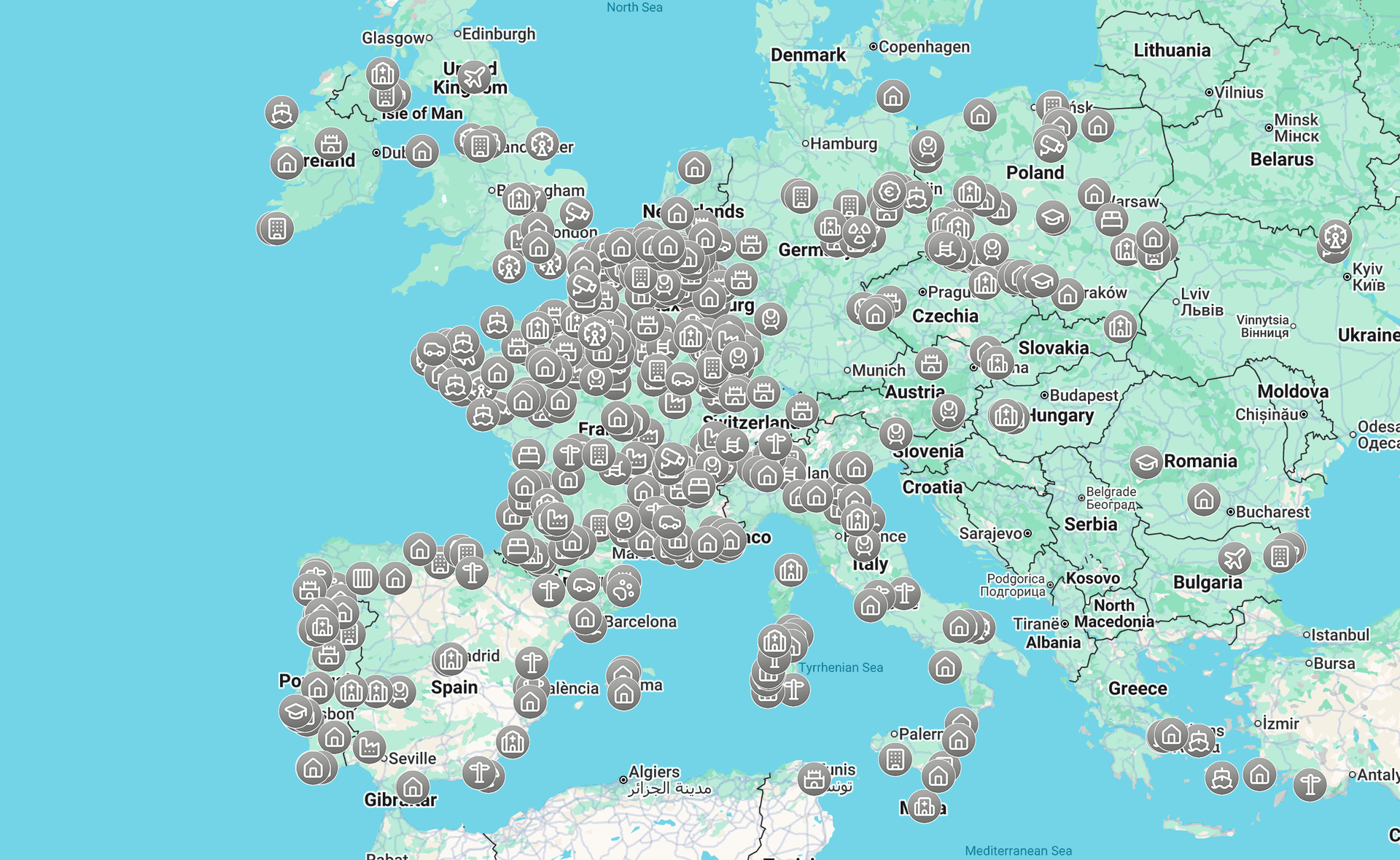
A curated resource cannot guarantee on-site safety, but it can help you avoid random entry, poorly researched detours, and unrealistic expectations. Responsible explorers plan legal access, travel time, exit options, and site type before they arrive.
For trip planning, start with Browse all urbex maps or Access the free urbex map. Use current information, go in daylight when possible, and be ready to leave if floor conditions do not match the plan.
Frequently asked questions
Can a floor look solid and still fail?
Yes. A floor can look intact while rot, corrosion, or voids have already damaged the structure underneath. Surface finishes often hide the real condition.
Are concrete floors always safer than wooden floors?
No. Concrete can crack, delaminate, or lose strength around rusted reinforcement, damaged edges, and unsupported openings. Material alone does not guarantee safety.
Should you continue if only one small area feels weak?
No. One weak area often signals a wider structural problem. The safest assumption is that support may be compromised beyond the exact spot you noticed.
Is it safer to explore with other people when floors are uncertain?
A group may improve communication, but it does not make a dangerous floor safe. More weight can increase risk. If conditions are doubtful, everyone should retreat.
Does a mapped location mean the structure is safe?
No. A mapped location helps with planning, not with structural certification. Site conditions change constantly, especially after weather, vandalism, fire, or long vacancy.
Conclusion
An unstable floor in urbex is a stop sign, not a challenge. Sagging, soft spots, hollow sounds, water damage, and movement underfoot are all valid reasons to leave immediately.
The best urbex decisions are usually the least dramatic ones: verify access, preserve the site, avoid pressure on unknown surfaces, and walk away when the building gives you clear warnings.
Access the free urbex map
