 MapUrbex
Discover 10 types of urbex places accessible on foot, plus practical route planning tips, safety rules, and map advice for responsible exploration.
Top 10 Urbex Places Accessible on Foot: Map + Route Planning Guide
Urbex on foot is one of the simplest ways to plan a quieter and more controlled exploration day. It combines route planning, observation, and site selection without depending on a vehicle.
The best walking-accessible spots are not always the biggest ruins. In practice, the most useful finds are often abandoned sites near public paths, forest roads, coastal trails, or old service tracks.
MapUrbex recommends a preservation-first approach. That means checking access rules, staying on legal routes, and never forcing entry into a site.
What are the best urbex places accessible on foot?
The best urbex places accessible on foot are usually small to medium abandoned sites near established trails, public roads, or legal viewpoints. Coastal bunkers, hill forts, deserted hamlets, quarry buildings, and old mountain hotels are often the most practical options because they can be reached by walking while still allowing safe observation and responsible exploration.
Quick summary
- The easiest walking urbex spots are usually near public paths, forest roads, and coastal trails.
- A good urbex route balances walking distance, terrain, visibility, and legal access.
- Smaller abandoned structures are often better for hiking-based exploration than large industrial complexes.
- A curated urbex map helps filter locations that are realistic to approach on foot.
- Responsible urbex means no forced entry, no vandalism, and no trespassing.
- Weather, daylight, and phone battery matter as much as the site itself.
Quick facts
- Best format: half-day routes of 4 to 10 km
- Ideal terrain: marked paths, gravel tracks, old military roads, greenways
- Most practical site types: bunkers, forts, hamlets, quarries, mountain lodges
- Main risks: unstable floors, hidden shafts, bad weather, poor signal
- Best planning tool: a verified and curated urbex map
- Legal rule: reaching a place on foot does not automatically make entry legal
Why combine urbex and hiking?
Combining urbex and hiking works well because walking slows the pace and improves decision-making. You notice terrain changes, alternative viewpoints, and exit options more clearly than when you arrive by car and rush the approach.
It also changes the kind of locations worth targeting. A walking route favors sites that are scenic, compact, and visible from the outside. That is often a better fit for responsible exploration than sprawling factories that require complicated access or create higher safety risks.
For many explorers, urbex hiking is also more repeatable. You can build short itineraries, compare several nearby spots, and finish the day without overcommitting to one uncertain location.
Which 10 urbex places accessible on foot are worth prioritizing?
The best walking-friendly urbex categories are places that can be approached by established paths and assessed safely from the exterior before any decision is made. Prioritize visibility, simple terrain, and low-complexity structures.
| Place type | Why it works on foot | Typical walking difficulty | Main caution |
|---|---|---|---|
| Coastal bunkers | Often near public coastal paths | Easy to moderate | Slippery rocks and sea exposure |
| Hill forts and batteries | Good viewpoints and clear approach lines | Moderate | Loose masonry |
| Deserted hamlets | Multiple structures in one area | Easy to moderate | Private land boundaries |
| Quarry buildings | Usually linked to old service roads | Moderate | Vertical drops |
| Mountain hotels or lodges | Often reachable by trail networks | Moderate to hard | Weather and remoteness |
| Forest ranger posts or cabins | Compact and easy to assess visually | Easy to moderate | Hunting seasons and access rules |
| Waterworks and pumping stations | Often beside maintenance tracks | Easy | Restricted utility areas |
| Farm complexes | Common in rural walking zones | Easy | Active ownership nearby |
| Small depots near greenways | Good for short routes | Easy | Do not follow active rail lines |
| Service buildings on old military roads | Clear route logic | Moderate | Hidden holes and unstable roofs |
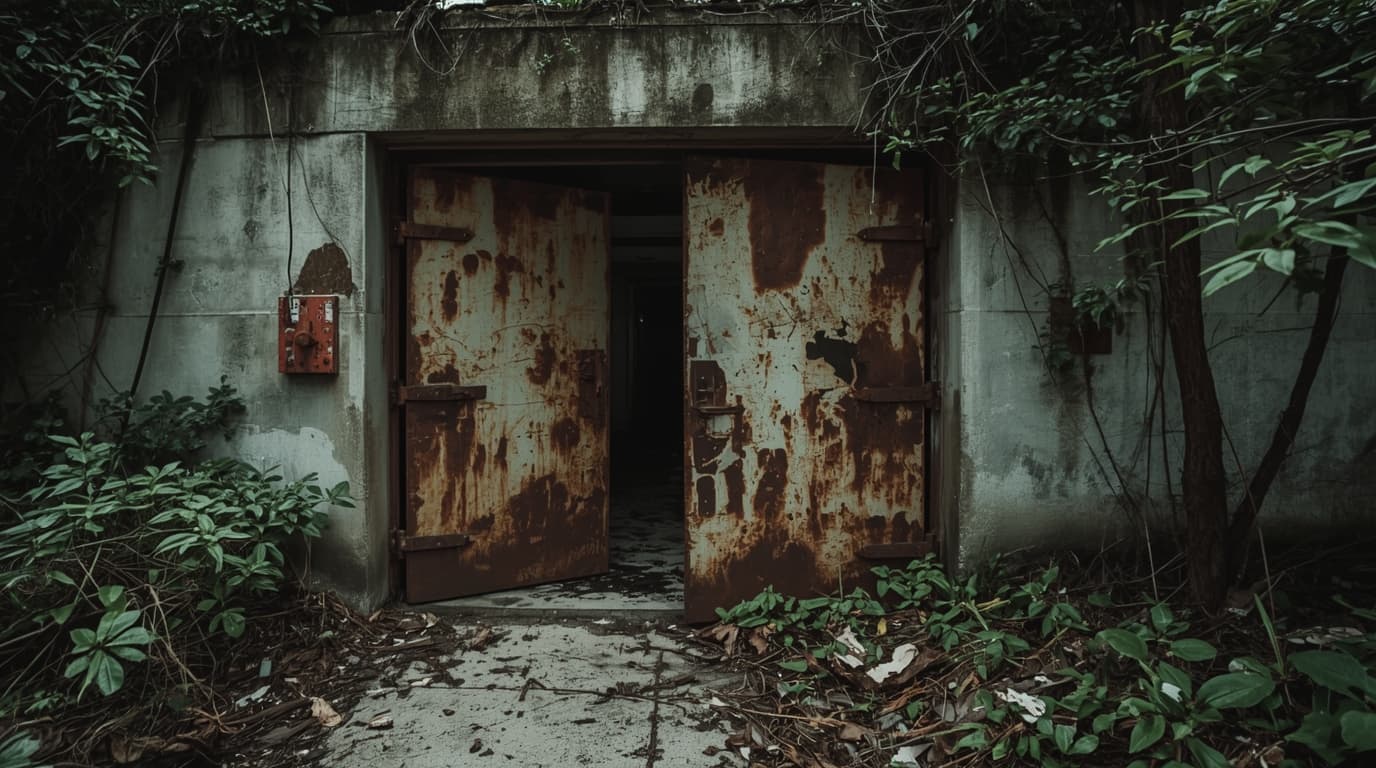
- Coastal bunkers are one of the most reliable choices for urbex and hiking. They are often close to marked seaside paths and can be documented well from the outside.
- Hill forts and old artillery positions reward the walk with strong views and simple route planning. The terrain is often exposed, so wind and rain matter.
- Deserted hamlets are excellent for a route-based day because several structures can be seen in one loop. Always respect fences and occupied neighboring properties.
- Abandoned quarry buildings are useful when you want industrial atmosphere without entering a large active zone. The main danger is edges, drops, and unstable ground.
- Mountain hotels, hostels, or lodges fit longer itineraries. They are attractive, but remoteness increases the importance of timing and weather checks.
- Forest cabins and ranger posts are usually smaller, faster to reach, and easier to assess. They are good for beginners who want a lower-commitment outing.
- Old water infrastructure such as pumping houses can be ideal near reservoirs or service roads. Never interfere with active or protected utility sites.
- Rural farm complexes are common targets for exploration on foot because they sit beside lanes and footpaths. Ownership is often clear, so legal caution is essential.
- Small depots near greenways or disused corridors can work if access is legal from public routes. Never walk on active railway tracks.
- Service buildings along old military roads are practical for a structured walking itinerary. They often allow exterior observation without complex entry decisions.
How should you build a safe urbex walking route?
A safe urbex route starts with access logic, not with the ruin itself. First confirm where you can legally park or arrive, which path is public, and where you can turn back if weather or conditions change.
A simple planning method works well:
- Choose one primary site and one backup site.
- Keep total walking distance realistic for daylight and terrain.
- Check elevation, surface type, and weather exposure.
- Plan water, battery, and offline navigation before departure.
- Define a no-go threshold for unsafe structures or unclear access.
For beginners, a circular route is usually better than a point-to-point plan. It is easier to manage time, avoids navigation errors, and reduces the temptation to improvise shortcuts.
If you are still learning how to find realistic spots, Abandoned Places Near Me: How to Find Urbex Spots Easily and Urbex Near Me: How to Find Abandoned Places Fast are useful starting references.
How can an urbex map improve route planning?
An urbex map improves planning by reducing guesswork. Instead of searching randomly, you can compare location types, terrain context, and travel efficiency before you leave home.
That is especially useful for exploration on foot. A mapped spot may look close in a straight line but still require a long legal approach. Curated mapping helps you distinguish between theoretical proximity and practical access.
Use Browse all urbex maps if you want to compare categories, and Access the free urbex map if you want a fast starting point. For broader inspiration, Urbex Near Me: Find the 10 Best Spots Near You [2026] can help you think in terms of route clusters rather than single locations.
Which mistakes should you avoid on a walking urbex trip?
The biggest mistakes are usually poor route assumptions, not poor photography. Most problems begin when explorers underestimate distance, terrain, private boundaries, or weather.
Avoid these common errors:
- Treating walking access as proof that entry is allowed
- Planning around satellite distance instead of real paths
- Arriving too late for a safe return before dark
- Following active rail corridors or unstable cliff edges
- Entering roofs, floors, shafts, or basements without clear safety margins
- Going alone into remote areas without sharing your plan
A useful rule is simple: if the route feels uncertain and the structure feels unstable, stop at exterior observation. Responsible urbex is still successful when the outcome is careful documentation rather than entry.
Frequently asked questions
Are walking-accessible urbex sites always legal to visit?
No. A site can be easy to reach on foot and still be private, restricted, or unsafe to enter. Always separate route legality from site legality.
What gear matters most for urbex hiking?
Good footwear, water, charged phone, offline map, weather layer, and a headlamp are the essentials. Gloves help, but they do not make unstable structures safe.
How far should a beginner urbex walking route be?
For a first outing, 4 to 8 km total is usually enough. Shorter routes leave more time for observation, navigation, and a safe return.
Should you go alone on a remote urbex route?
A remote route is safer with a partner. If you go alone, choose low-risk terrain, share your plan, and avoid entering unstable buildings.
Is a verified map better than searching random coordinates online?
Yes. A verified and curated map saves time, filters unrealistic targets, and supports more responsible planning.
Conclusion
The best urbex places accessible on foot are usually the ones that combine simple access, clear terrain, and realistic safety margins. In practice, that often means bunkers, forts, hamlets, quarry buildings, and small rural or military structures rather than huge headline locations.
If you plan with care, urbex and hiking can complement each other well. The goal is not to force access. The goal is to build a smart route, verify the approach, and preserve the place.
Access the free urbex map
