 MapUrbex
Use a Poland urbex map to research ghost towns, hospitals, power stations, and industrial ruins. Here are 5 major abandoned places to know.
Poland Urbex Map: 5 Best Abandoned Places to Research
Poland is one of the most varied countries in Europe for abandoned-place research. A single country map can include Soviet-era ghost towns, red-brick hospitals, power stations, military remnants, and large industrial ruins.
A good Poland urbex map is useful because conditions change quickly. Some sites are secured, some are being redeveloped, and some should only be documented from legal public viewpoints. MapUrbex focuses on verified locations, responsible urbex, and preservation-first research.
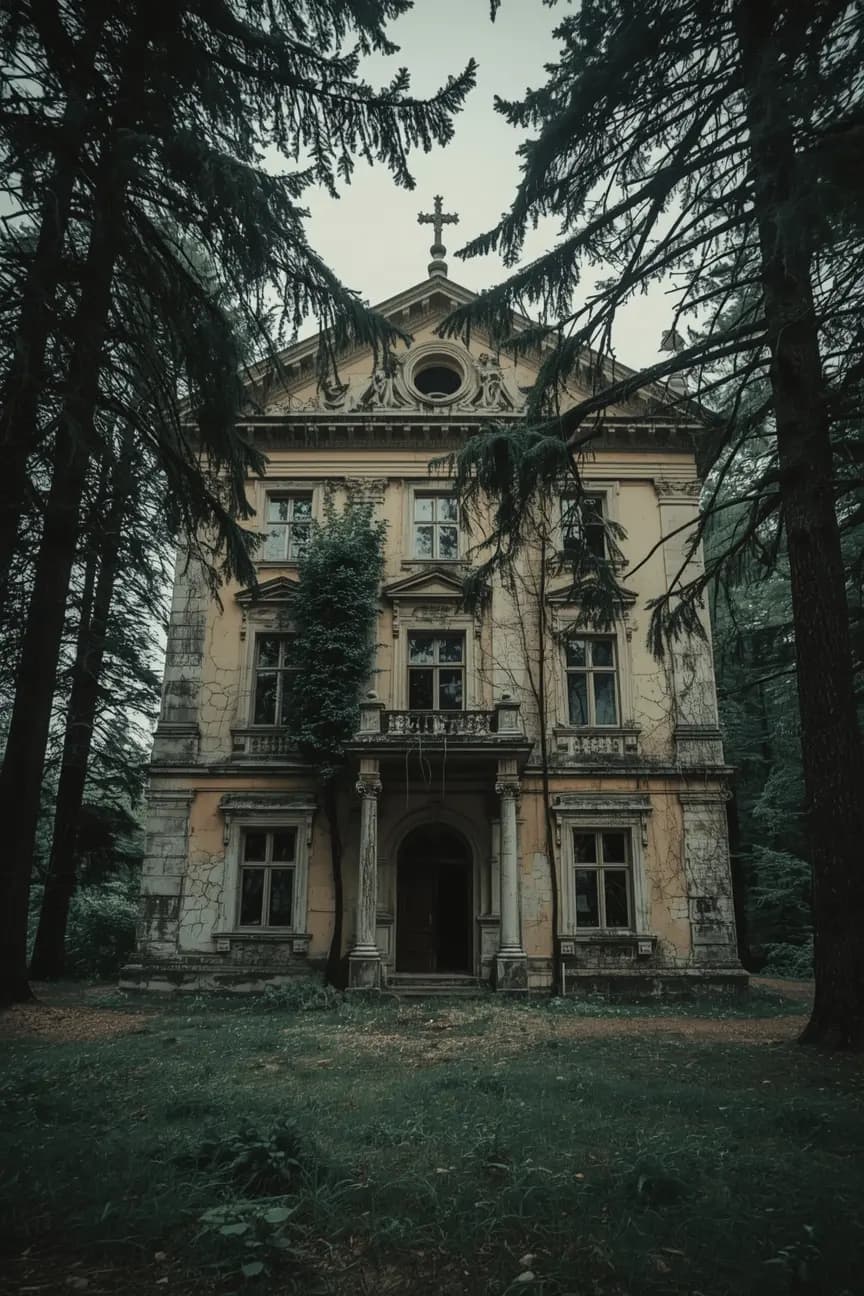
What is the best way to use a Poland urbex map?
The best way to use a Poland urbex map is to treat it as a research tool, not an invitation to trespass. A curated map helps you identify major abandoned places in Poland, compare site types by region, and plan legal, low-impact visits or photo stops while avoiding outdated coordinates, unsafe structures, and restricted properties.
Quick summary
- Poland stands out for ghost towns, hospital complexes, heavy industry, and post-military sites.
- The most useful abandoned places map shows both famous locations and broader regional clusters.
- Kłomino, Zofiówka, Szombierki, Pstrąże, and the industrial belt around Łódź are key research references.
- Site status in Poland changes often, so verification matters more than old forum coordinates.
- Responsible urban exploration in Poland means checking access, respecting property, and avoiding risky entry.
- You can compare Poland with other European categories through Browse all urbex maps.
Quick facts
- Country: Poland
- Best known for: Ghost towns, hospitals, factories, power infrastructure, military remnants
- Strongest regions for urbex research: Silesia, Mazovia, Lower Silesia, West Pomerania, Łódź area
- Primary use of a map: Research, route planning, and status verification
- Best approach: Daylight scouting, legal viewpoints, preservation-first photography
- Important reminder: Do not enter restricted or dangerous structures without authorization
Access the free urbex map
Why is Poland one of the strongest countries for abandoned-place research in Europe?
Poland is one of the strongest countries for abandoned-place research in Europe because it combines multiple historical layers in a relatively compact area. Industrial expansion, war damage, border shifts, socialist-era planning, and post-1990 economic change all left distinct abandoned landscapes.
This variety makes the country especially valuable for researchers and photographers. On the same trip, you can study industrial ruins in Silesia, medical architecture near Warsaw, and former military settlements in the west and north. If you are planning a broader route, How to Plan an Urbex Road Trip in Europe gives a useful framework for sequencing countries and regions.
Which regions and site types are most useful on a Poland urbex map?
The most useful Poland urbex map highlights regions where several site types overlap. In practice, that means prioritizing areas with industrial heritage, abandoned public institutions, and former military settlements rather than chasing isolated random coordinates.
| Region | Common abandoned site types | Why it matters |
|---|---|---|
| Silesia | Power stations, mines, heavy industry | Poland's strongest industrial urbex landscape |
| Mazovia | Hospitals, sanatoria, institutional ruins | Important medical and civic architecture |
| West Pomerania | Ghost towns, military remnants | Large-scale post-military abandonment |
| Lower Silesia | Garrison sites, rail and industrial remains | Strong Cold War and industrial context |
| Łódź region | Textile factories, warehouses, worker infrastructure | Key for understanding urban industrial decline |
A curated map of abandoned places is most useful when it shows this context clearly. It helps you understand why a site exists, what period it belongs to, and whether the location still has practical research value.
Which abandoned places belong on a Poland urbex map?
The abandoned places that most deserve a place on a Poland urbex map are the sites that define the country's major urbex themes: ghost settlements, medical ruins, monumental industry, and former military landscapes. The five locations below are not identical, but together they give a strong overview of exploration urbaine in Poland.
1. Kłomino ghost town in West Pomerania
Kłomino is Poland's best-known ghost town. The settlement is tied to a German military past and later Soviet occupation, and it was largely abandoned after the early 1990s. Its empty apartment blocks and street grid made it one of the most recognizable abandoned places in Poland.
For map research, Kłomino matters because it shows abandonment at settlement scale rather than building scale. It is useful for historical documentation, remote research, and careful on-site observation from legal viewpoints. Conditions can change, and some structures are unstable, so it should never be treated as a casual entry site.
2. Zofiówka hospital complex near Otwock
Zofiówka is one of the most discussed abandoned medical sites in Poland. Located near Otwock, the complex is known for pavilion-style brick architecture set in woodland, which gives it both architectural and photographic value.
It belongs on a Poland urbex map because it represents a major category of abandoned sites: hospitals and sanatoria on the edge of large cities. These sites often attract attention online, but they also raise serious safety and legal issues. Ownership, security, and structural condition can change quickly, so current verification is essential.
3. Szombierki Power Station in Bytom
Szombierki Power Station is one of the most important industrial monuments in Poland. Built in the early 20th century, it is famous for monumental brick facades, turbine halls, and its central place in Silesian industrial history.
This is the type of site that makes industrial Poland a major urbex destination. It is also a reminder that not every famous ruin is freely accessible. Event use, ownership changes, and preservation work can affect access, which is why a verified map is more useful than old social posts.
4. Pstrąże former military town in Lower Silesia
Pstrąże is a former garrison settlement linked to the Soviet military presence in Lower Silesia. For years it circulated widely in urbex discussions because it offered a rare example of a largely abandoned military residential landscape.
It remains important as a reference point, but it also shows why old coordinates age badly. Many buildings have been demolished, and site conditions have changed over time. On a curated map, Pstrąże is valuable less as a guaranteed visit and more as a documented case study in post-military abandonment.
5. Industrial ruins and textile sites around Łódź
The Łódź region belongs on any serious abandoned places map because the city's identity was built on textiles, warehouses, worker housing, and factory infrastructure. While much of Łódź has been redeveloped, scattered industrial ruins still define the area's urbex history.
This category matters because it shows a different side of abandonment: partial survival inside an active city. Many former industrial sites are fenced, repurposed, or awaiting redevelopment, which means research quality depends on current information. If you also study broader European industrial and heritage ruins, Abandoned Castles in Europe: 8 Ruined Sites Every Urbex Researcher Should Know offers a useful contrast in site type.
How can you plan a responsible urbex trip in Poland?
A responsible urbex trip in Poland starts with verification, daylight planning, and clear legal boundaries. The goal is to document abandoned places without forcing access, damaging structures, or creating risk for yourself or others.
Start by grouping locations by region instead of chasing single pins across the country. Silesia works well for industrial research, Mazovia for hospitals and institutional sites, and West Pomerania for settlement-scale abandonment. For trip planning across borders, use How to Plan an Urbex Road Trip in Europe, and for broader country resources, Browse all urbex maps.
Safety reminder: Urban exploration in Poland should always stay within the law. Respect private property, posted restrictions, and active redevelopment zones. Never force entry, and avoid unstable interiors, roofs, shafts, and sealed underground areas.
Why does a curated map work better than random online coordinates?
A curated map works better than random online coordinates because it adds context, status checking, and consistency. Raw coordinates tell you where something once stood. A verified map helps you understand whether the site still exists, what kind of site it is, and whether it can be documented responsibly.
That matters in Poland, where demolition, fencing, and ownership changes are common. Curated resources also make it easier to connect themes across Europe. If you want to compare site categories beyond Poland, see Les Parcs d’Attractions Abandonnés les Plus Fascinants d’Europe en 2025 for leisure ruins and Browse all urbex maps for country-by-country research.
FAQ
Is urban exploration legal in Poland?
Urban exploration in Poland is not automatically legal. Access depends on ownership, local restrictions, and whether a place is fenced, secured, or clearly private. The safest approach is to assume permission is required for entry unless access is explicitly lawful.
What types of abandoned places are most common in Poland?
The most common abandoned places in Poland include factories, military remnants, hospitals, sanatoria, worker infrastructure, and ghost towns. Silesia is especially strong for industrial sites. Northern and western regions are better known for military and settlement-scale abandonment.
Are the best urbex spots in Poland all in remote areas?
No, many of the best-known urbex spots in Poland are not remote. Some are near major cities such as Warsaw, Bytom, or Łódź. What matters more than remoteness is current status, legal access, and structural condition.
When is the best season to research abandoned places in Poland?
Autumn and winter are often the clearest seasons for exterior research because vegetation is lower and sight lines improve. Spring and summer can be useful for long travel days but often make ruins harder to read from outside. In every season, daylight planning is safer than late-night visits.
Should beginners start with famous Polish ruins?
Beginners should start with low-risk exterior documentation, not with the most famous or most difficult ruins. Popular sites can attract crowds, security attention, or unsafe behavior. A curated map helps beginners choose sites with clearer context and fewer surprises.
Conclusion
A Poland urbex map is most valuable when it helps you understand patterns, not just points. Poland stands out because it combines ghost towns, medical sites, industrial monuments, and former military landscapes in one country, but those places need to be researched carefully and approached responsibly.
If you want a practical starting point, use verified mapping rather than old forum lists or recycled coordinates. That is the safest way to identify abandoned places in Poland while staying aligned with preservation-first urbex.
Access the free urbex map
