 MapUrbex
A practical guide to using a Maryland urbex map, understanding the main abandoned-place zones, and researching the best ruins near Washington DC responsibly.
Maryland Urbex Map: Best Abandoned Places Near Washington DC
Maryland is one of the most interesting states for urban exploration on the East Coast. In a short drive, the landscape shifts from Washington DC suburbs to old hospitals, harbor defenses, industrial corridors, and rural ruins.
A Maryland urbex map is useful because the state's abandoned places are scattered and their status changes quickly. A curated map helps researchers focus on real locations, regional patterns, and preservation-first planning instead of outdated forum tips.
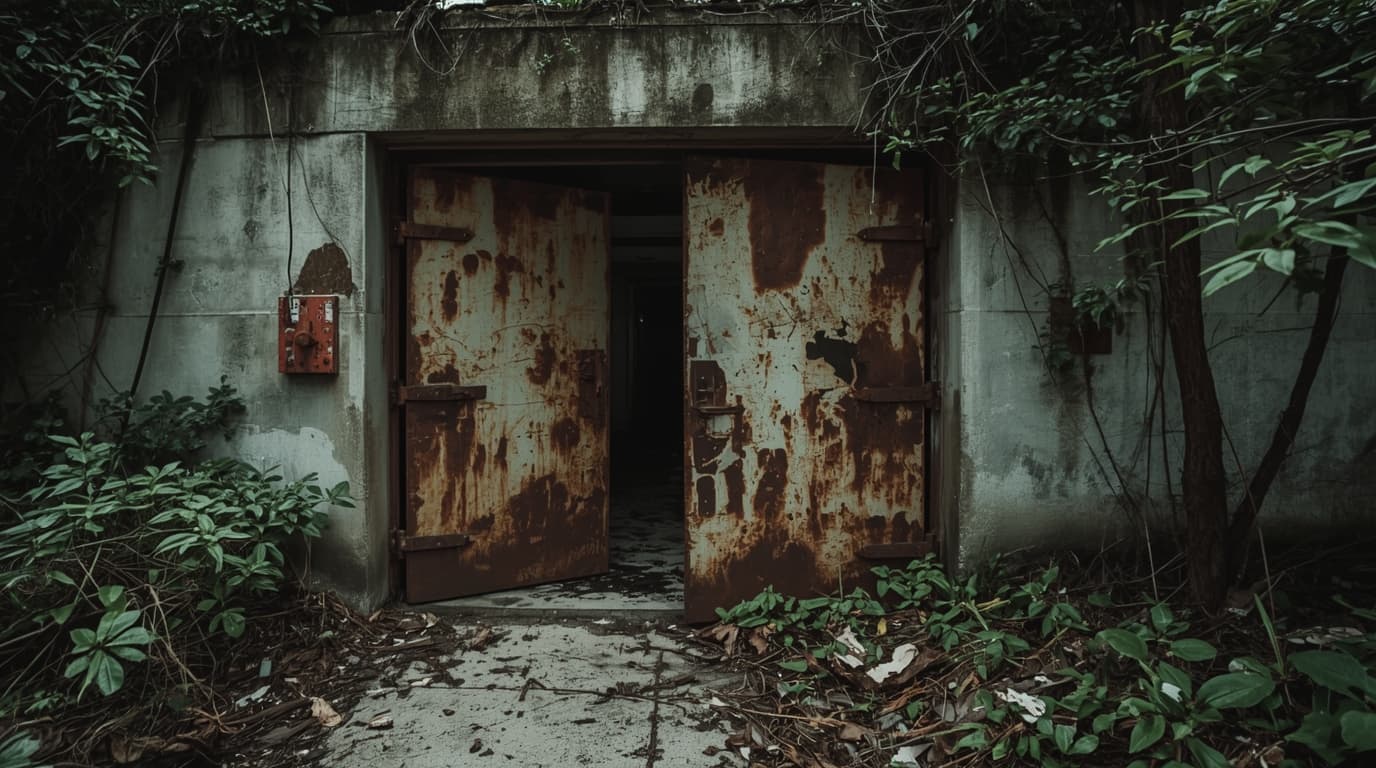
What is the best Maryland urbex map for finding abandoned places?
The best Maryland urbex map is a curated map that verifies site status, organizes places by region, and helps you compare abandoned places near Washington DC without relying on old forum posts. In Maryland, that matters because demolition, fencing, security, and redevelopment can change a site faster than a recycled list can keep up.
Quick summary
- Maryland combines institutional ruins, military remnants, industrial sites, and landscape ruins in a relatively small state.
- The strongest urbex zones are usually Prince George's County, the Baltimore region, the Patapsco corridor, and parts of central Maryland.
- Many famous Maryland locations change status quickly, so old lists are often unreliable.
- A map of abandoned places is more useful than scattered tips because it shows patterns by region and site type.
- The best known abandoned places near Washington DC tend to be former hospitals, infrastructure sites, and defense-related locations.
- Responsible urbex in Maryland means no trespassing, no forced entry, and no publishing sensitive access details.
Quick facts
- State: Maryland, United States
- Search focus: abandoned places in Maryland and urbex near Washington DC
- Best use: trip planning, research, and comparing site types across regions
- Common site categories: hospitals, bunkers, forts, industrial ruins, ghost towns, and utility remnants
- Main challenge: fast redevelopment and changing legal status
- Best method: start with a verified map, then confirm current conditions before any visit
Why use a Maryland urbex map instead of random forum posts?
A Maryland urbex map is better than random forum posts because it gives structure, context, and fresher research value. Maryland's abandoned places are concentrated in a few corridors, but the condition and legality of those sites can change quickly.
Older lists often repeat the same famous names without noting demolition, patrols, fencing, or redevelopment. That is especially common around Washington DC suburbs, where institutional campuses and military-adjacent land may sit under strict control.
The table below shows why a map-based approach works better.
| Research method | What you get | Main limitation |
|---|---|---|
| Old forum thread | Anecdotal tips and historic names | Often outdated and missing legal context |
| Social media post | Recent photos | Usually lacks precise status and broader context |
| Curated urbex map | Regional overview, site grouping, and verification logic | Still requires final legal checks |
| Public records and archives | Ownership and historical background | Time-consuming without a map starting point |
If you are building a research workflow, start with Browse all urbex maps and compare regions before narrowing your route.
Access the free urbex map
Which parts of Maryland have the most abandoned places?
The parts of Maryland with the most abandoned places are generally the Prince George's County corridor, the Baltimore region, the Patapsco Valley area, and pockets of central Maryland with military or industrial history. These zones combine old infrastructure, changing land use, and large institutional properties.
Prince George's County matters because it sits close to Washington DC and contains some of Maryland's best-known abandoned institutional sites. This is the area many people mean when they search for urbex near Washington DC.
The Baltimore region matters for a different reason. Its shoreline industry, harbor defenses, warehouses, and transport infrastructure create a broader mix of ruins than the DC suburbs.
Patapsco Valley is notable because it preserves the remains of older settlements, mills, bridges, and flood-damaged structures. These are visually different from hospital campuses or bunkers and often require more attention to terrain and weather safety.
Western and central Maryland also include scattered military and utility remnants. These are less predictable than famous urban sites, but they matter on a statewide map because they show how Maryland's abandoned landscape extends beyond one metro area.
Safety and legal reminder: MapUrbex supports responsible research only. Do not trespass, force entry, bypass fences, or enter hazardous structures. Always verify current status and local rules.
What are the best abandoned places in Maryland?
The best abandoned places in Maryland are the sites that combine historical importance, strong visual character, and a clear research context. In practice, that usually means large institutional ruins, preserved ghost-town remains, harbor defenses, and industrial landscapes rather than random vacant buildings.
Below are five of the most important Maryland urbex references for researchers, photographers, and anyone building a serious map of abandoned places.
1. Glenn Dale Hospital in Prince George's County
Glenn Dale Hospital is one of the most famous abandoned places in Maryland. It became well known because of its large campus layout, decaying medical buildings, and close proximity to Washington DC.
Its importance is historical as well as visual. Few sites in the state symbolize Mid-Atlantic institutional abandonment as clearly as this hospital complex. That is why it appears so often in searches for the best abandoned places in Maryland.
It is also a good example of why a Maryland urbex map matters. Its status, security posture, and practical accessibility have changed repeatedly over time. Treat it as a research subject first, not as a guaranteed visit.
2. Daniels ghost town ruins in Patapsco Valley
Daniels is one of Maryland's best-known ghost-town sites. The remains of the old mill settlement, shaped heavily by flood history and partial preservation, give it a very different atmosphere from hospital or factory ruins.
For photographers, Daniels stands out because the ruins sit within a larger landscape story. Stone remnants, foundations, bridges, and wooded terrain create context that many stand-alone abandoned buildings do not have.
It is also one of the clearest examples of why an abandoned place does not always mean an empty modern structure. In Maryland, some of the most memorable urbex environments are ruin fields and settlement traces rather than intact buildings.
3. Harbor forts and bunkers around Baltimore
The harbor defenses around Baltimore rank among the most distinctive abandoned environments in the state. Former forts, coastal batteries, and bunker-like military spaces combine defense history with heavy concrete architecture.
These places matter because they connect Maryland's abandoned landscape to national military history. They are also visually different from schools, hospitals, and industrial shells, which makes them a key category on any statewide map.
Conditions vary sharply from one site to another. Some areas are restricted, unstable, or heavily monitored, so responsible mapping and current verification are essential.
4. Industrial ruins in the Baltimore and Sparrows Point orbit
The industrial belt around Baltimore has long produced some of Maryland's most iconic abandoned scenes. Warehouses, maritime infrastructure, utility corridors, and former steel-related landscapes define this part of the map.
What makes this category important is scale. Even when specific buildings disappear, the surrounding industrial geography often remains legible. That gives researchers more than a single target. It gives them an entire abandoned system to study.
This is also where older online lists can mislead people. Industrial sites are especially vulnerable to redevelopment, demolition, and active security, so any serious research process needs current mapping rather than recycled rumors.
5. Cold War and utility infrastructure in central Maryland
Cold War era infrastructure is one of the most overlooked parts of Maryland urbex. Scattered bunkers, defense-related sites, and utility structures may not have the fame of Glenn Dale, but they add depth to the state's map.
These places matter because Maryland sits between major federal, military, and transport networks. That history left behind a landscape of technical sites that many casual lists ignore.
For experienced researchers, this category is often where a curated map becomes most useful. The sites are less obvious, more dispersed, and more dependent on careful context than the state's headline ruins.
How can you research abandoned places in Maryland responsibly?
You can research abandoned places in Maryland responsibly by starting with verified mapping, confirming legal status, and separating historical interest from access assumptions. That approach is safer, more accurate, and more useful than chasing viral location drops.
A good next step is to read How to Start Urbex: A Beginner's Guide to Urban Exploration if you are new to the subject. For research methods, Tools to Find Abandoned Places: Best Urbex Research Tools and Maps explains how maps, satellite views, archives, and records fit together.
If you want to understand how experienced explorers validate leads without exposing sensitive spots, How to Find Secret Urbex Places: Real Methods Explained is the right follow-up.
In Maryland, that discipline matters because many well-known places near Washington DC attract attention quickly. High visibility often leads to tighter security, vandalism, or closure. Preservation-first behavior protects sites and improves the quality of the community's information.
Access the free urbex map
What should you expect from a good map of abandoned places in Maryland?
A good map of abandoned places in Maryland should help you understand region, site type, and current research value at a glance. It should not promise easy entry or publish reckless access instructions.
At minimum, a useful Maryland map separates institutional ruins, industrial zones, military remnants, and landscape ruins. That makes route planning clearer, especially if you are comparing a Washington DC day trip with a Baltimore-focused research day.
The best maps also reduce wasted travel. Instead of driving long distances for a site that was demolished years ago, you can prioritize places with stronger current relevance and better documentation logic.
FAQ
Is urban exploration legal in Maryland?
Urban exploration is not automatically legal in Maryland. Permission, ownership, fencing, and local enforcement all matter. If a site is on private property or posted against entry, going inside can amount to trespassing.
What abandoned places are closest to Washington DC in Maryland?
The closest well-known Maryland urbex zone to Washington DC is generally Prince George's County. That area has a long history of abandoned institutional and infrastructure sites. Status changes often, so proximity does not mean a place is open or lawful to enter.
Are the most famous Maryland urbex sites still accessible?
Some famous Maryland urbex sites are restricted, altered, demolished, or actively monitored. That is one reason older blog lists age badly. A verified map and current research are more reliable than a copied top list from years ago.
Why do Maryland urbex locations change so quickly online?
Maryland urbex locations change quickly online because the state sits near dense suburbs, active redevelopment zones, and high-value land. Once a place gains attention, it may be fenced, cleaned out, repurposed, or demolished. Fast status change is especially common near Washington DC and Baltimore.
What makes Maryland different from other East Coast urbex states?
Maryland stands out because it compresses several abandoned landscapes into a small area. You can move from institutional ruins to harbor defenses, ghost-town remains, and Cold War infrastructure in relatively short drives. That variety makes the state unusually strong for map-based research.
Conclusion
A Maryland urbex map is most useful when it helps you sort real research opportunities from outdated legend. The state's best-known abandoned places are compelling, but they also change fast, especially near Washington DC and Baltimore.
Use curated mapping, verify current status, and keep preservation first. For a broader starting point, Browse all urbex maps and build your Maryland route with better context.
Access the free urbex map
