 MapUrbex
Learn how people find secret urbex places using maps, archives, satellite views, public records, and responsible research methods without encouraging trespassing.
How to Find Secret Urbex Places: Real Methods Explained
People often ask how to find secret urbex places without relying on leaked pin drops or risky shortcuts. The real answer is usually slower and more methodical: research, cross-checking, and legal judgment.
This guide explains the methods experienced explorers use to identify abandoned sites, verify whether a place is still standing, and filter out unsafe or illegal options. The scope is global, so the process matters more than any one country.
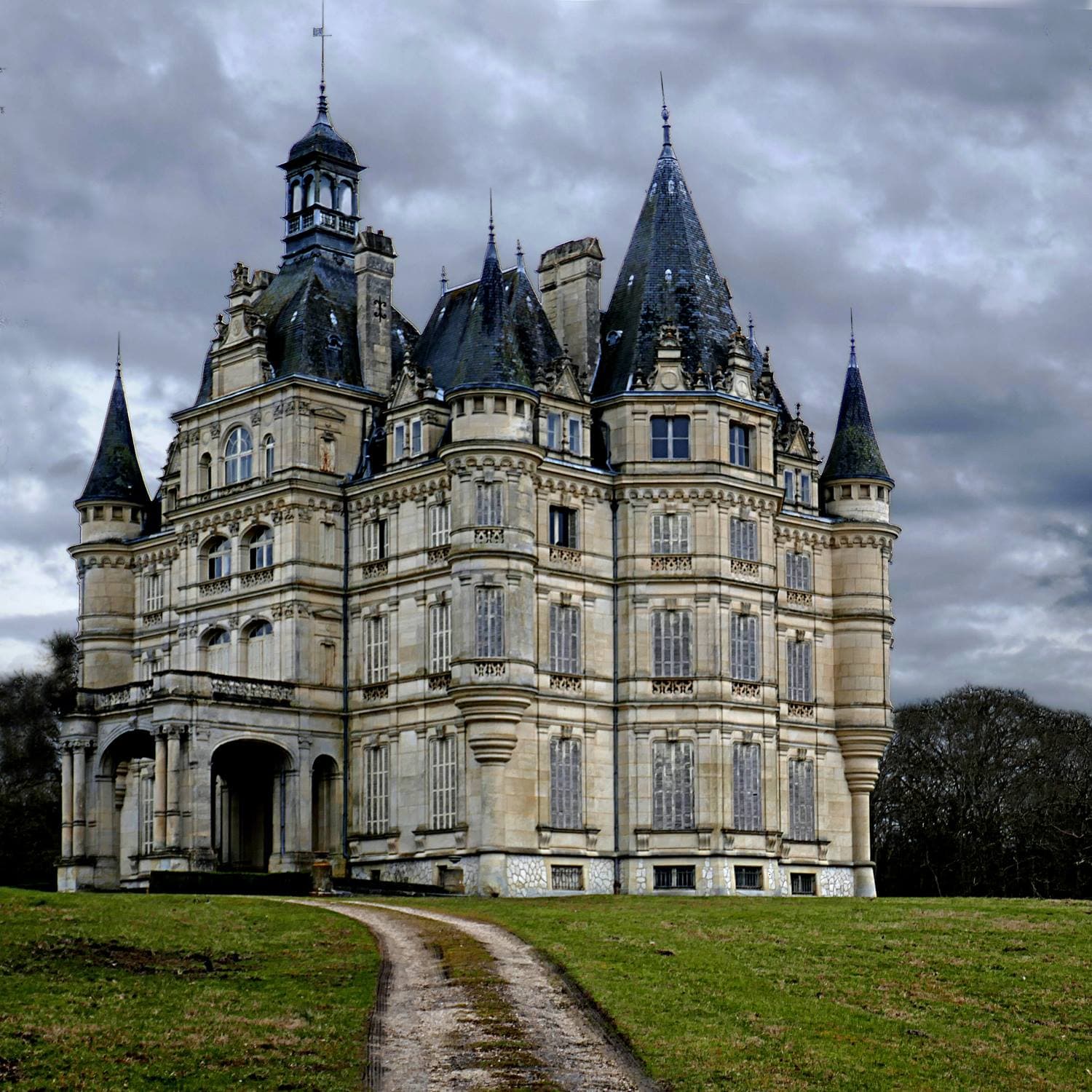
How do people actually find secret urbex places?
People find secret urbex places by combining public sources such as maps, satellite imagery, local archives, redevelopment notices, old business listings, and photo clues. The reliable method is not guessing addresses. It is building evidence from several signals, then checking legality, access conditions, safety, and whether the site is still abandoned.
Quick summary
- The best research starts with maps, archives, and recent satellite imagery.
- A good urbex location is usually confirmed by multiple independent clues, not one social media post.
- Public planning documents, demolition notices, and local history records often reveal more than hashtags do.
- Finding abandoned places legally means checking ownership, restrictions, and local law before any visit.
- Responsible explorers protect locations to reduce vandalism, theft, and unsafe copycat visits.
- Curated tools such as Browse all urbex maps can save time when you want verified starting points.
Quick facts
- Topic: how to find secret urbex places
- Scope: global
- Search intent: informational
- Best sources: maps, archives, satellite views, public records, local history
- Main risk: outdated information, trespassing, unsafe structures
- Best practice: verify the site and prioritize legal, preservation-first exploration
What are the most reliable methods for finding secret urbex places?
The most reliable methods for finding secret urbex places are research-based methods that leave a paper trail. In practice, that means maps, archives, planning records, local history sources, and visual verification.
1. Start with verified urbex maps
Verified maps are the fastest way to understand where abandoned places are concentrated. They also help beginners learn patterns: industrial corridors, shrinking town centers, former military edges, and transport infrastructure often generate repeatable research leads.
A curated resource is more useful than a random leaked address because it adds filtering and context. If you want a starting point, Access the free urbex map or Browse all urbex maps. For a regional example, Urbex Map Europe: How to Find Verified Abandoned Places Safely shows how verified mapping reduces guesswork.
2. Check current and historical satellite imagery
Satellite imagery helps confirm whether a site still exists and whether it shows signs of abandonment. Common clues include empty parking areas, roof damage, overgrown access roads, blocked entrances, and unused loading zones.
Historical imagery is just as important as current imagery. A building that looked abandoned three years ago may now be demolished, secured, or redeveloped. Good research compares several image dates before treating a location as viable.
3. Read redevelopment, demolition, and planning notices
Public planning documents are one of the most overlooked methods for finding abandoned places. Many cities publish notices for demolition, change of use, structural surveys, contamination reports, or redevelopment proposals.
These documents often confirm that a property is vacant, derelict, or awaiting works. They do not grant access, but they are strong evidence that a place is real and current. They also help you avoid wasting time on sites already under active construction or strict security.
4. Search local history sources and business directories
Old business directories, newspaper archives, trade listings, and local history forums can reveal what a building used to be. That matters because former function often predicts where a site may be and how likely it is to survive.
For example, closed mills, depots, schools, hospitals, hotels, and leisure venues often leave traces in archived directories long after they disappear from everyday memory. When several historical sources point to the same address area, you have a stronger lead for further checking.
5. Analyze photo clues carefully
Photo platforms and social media can help, but only when used critically. Clues such as skyline shapes, church towers, road markings, factory logos, mountain silhouettes, platform numbers, or neighboring buildings can narrow a search without relying on direct location leaks.
This is slower than following a shared pin, but it is more accurate and more responsible. It also reduces the spread of exact addresses, which matters for preservation.
How can maps, archives, and satellite views reveal abandoned places?
Maps, archives, and satellite views reveal abandoned places by showing change over time. When a building appears in historical records, loses active business signals, and later shows visible neglect from above, the pattern becomes meaningful.
A practical workflow is simple. First, identify an area through a verified source or a historical lead. Next, compare current satellite imagery with older imagery. Then look for supporting records such as planning notices, old company names, or local reports.
If you want a responsible framework for this process, Urbex Ethics: Rules for Responsible Urban Exploration explains why verification matters as much as discovery.
What clues help identify a real abandoned site?
A real abandoned site usually shows several consistent clues at once. One clue alone is weak. Five aligned clues are much stronger.
| Clue | What it may indicate | Main limit |
|---|---|---|
| Overgrown access roads | Low recent activity | Some active rural sites are also overgrown |
| Empty car parks over time | Sustained non-use | Could be seasonal closure |
| Roof damage or broken glazing | Long-term neglect | Damage alone does not confirm vacancy |
| Planning or demolition notices | Official record of change or vacancy | Does not mean access is legal |
| Removed branding or boarded windows | Closure or site transition | Some sites are only temporarily closed |
| Repeated local reports | Ongoing abandonment | Online reports may be outdated |
A useful rule is to separate evidence into three groups: visual clues, documentary clues, and local context. If all three groups point in the same direction, your research is stronger.
How do social platforms help with research without exposing locations?
Social platforms help most when they are used for pattern recognition, not direct address hunting. The best use is studying building types, regional architecture, and visual clues that can later be checked against maps and public records.
The risk is that social content is often old, vague, or intentionally misleading. A post may show a site that is demolished, occupied, or heavily secured today. That is why experienced explorers treat social media as a clue source, not as proof.
For city-specific planning and responsible behavior, Urbex London Guide: How to Explore Abandoned Places in London Responsibly is a good example of how local context changes the research process.
Access the free urbex map
How can you find abandoned places legally?
You can find abandoned places legally by using public information to research them and by checking permission, ownership, and local restrictions before any visit. Finding a place online is legal in many jurisdictions. Entering it without permission often is not.
This distinction matters. Research methods for finding spots are not the same as legal access rights. A site may be vacant and still be private property, environmentally hazardous, or under redevelopment control.
If you want to find abandoned places legally, focus on these checks:
- Confirm whether the site is on private, public, or restricted land.
- Look for obvious security upgrades, fencing, or warning signage in recent imagery.
- Check whether local law treats entry, photography, or parking differently.
- Prefer official tours, heritage open days, or clearly permitted access when available.
- Walk away from any site that requires forced entry, bypassing barriers, or ignoring safety controls.
Why do experienced explorers keep exact locations private?
Experienced explorers keep exact locations private because public exposure often leads to vandalism, theft, arson, and rapid site loss. Privacy is usually a preservation tool, not gatekeeping for its own sake.
There is also a safety reason. Many abandoned places contain unstable floors, asbestos, unsecured shafts, or hidden water damage. Broadcasting a precise address can attract people who are unprepared and who put themselves and the site at risk.
MapUrbex follows a verification-first and preservation-first approach. That is why curated information is more useful than indiscriminate location dumping.
What is a practical research workflow for finding secret urbex places?
A practical research workflow is to start broad, narrow carefully, and verify before acting. The goal is not to chase every rumor. The goal is to build a short list of credible locations.
- Start with a region, building type, or historical industry.
- Check a curated map or research source for likely clusters.
- Compare current and historical satellite imagery.
- Search planning records, demolition notices, and archived business references.
- Use photo clues only as supporting evidence.
- Recheck the site for legality, safety, and current status.
- Drop the lead if the evidence is weak or access would be illegal.
This process is slower than following a social media post, but it produces better results. It also aligns with responsible urbex practice.
FAQ
Is it legal to search for abandoned places online?
In many places, yes. Researching maps, archives, or public records is usually legal. The legal issue starts when entry, parking, photography, or access rights are restricted. Always separate research from permission.
Can Google Maps alone find good urbex spots?
No, not reliably. Maps can reveal useful clues, but they rarely provide enough context on ownership, current use, safety, or recent demolition. Good research combines maps with records, imagery, and local context.
Why are exact urbex addresses often hidden?
Exact addresses are often hidden to protect sites from vandalism, theft, and unsafe mass visits. Many well-known abandoned places decline quickly after public exposure. Responsible explorers usually share methods, not indiscriminate pins.
What are the best clues for abandoned buildings?
The best clues are repeated non-use signals over time. Examples include overgrowth, empty parking, boarded sections, structural neglect, planning notices, and matching local reports. Strong leads combine several clues rather than one dramatic image.
How can beginners reduce risk when researching urbex spots?
Beginners should use verified sources, avoid trespassing, and ignore pressure to chase secret coordinates. Start with curated resources like Browse all urbex maps, study responsible practice, and be ready to abandon a plan if legality or safety is unclear.
Conclusion
The real answer to how to find secret urbex places is simple: people usually find them through patient research, not magic shortcuts. Maps, archives, public records, and satellite views are the core tools, and the best results come from cross-checking several signals before treating a site as real.
Just as important, finding a place is not the same as having the right to enter it. Responsible urbex means verified information, legal awareness, and preservation-first decisions at every step.
Access the free urbex map
