 MapUrbex
A clear guide to comparing a lifetime urbex map with a subscription, including break-even logic, value factors, and what actually makes an urbex offer worth buying.
Lifetime Urbex Map vs Subscription: Which Is More Cost-Effective?
If you are comparing a lifetime urbex map with a recurring plan, the real question is not only price. It is how long you expect to use the map, how often you explore, and whether the locations are actually verified.
A one-time payment can look expensive at first. But recurring fees often cost more over time, especially if you keep using the service for weekend trips, regional planning, or photography scouting.
MapUrbex approaches this from a preservation-first angle: curated maps, verified locations, and responsible exploration. That matters because cheap data is not good value if it is outdated, duplicated, or unsafe to rely on.
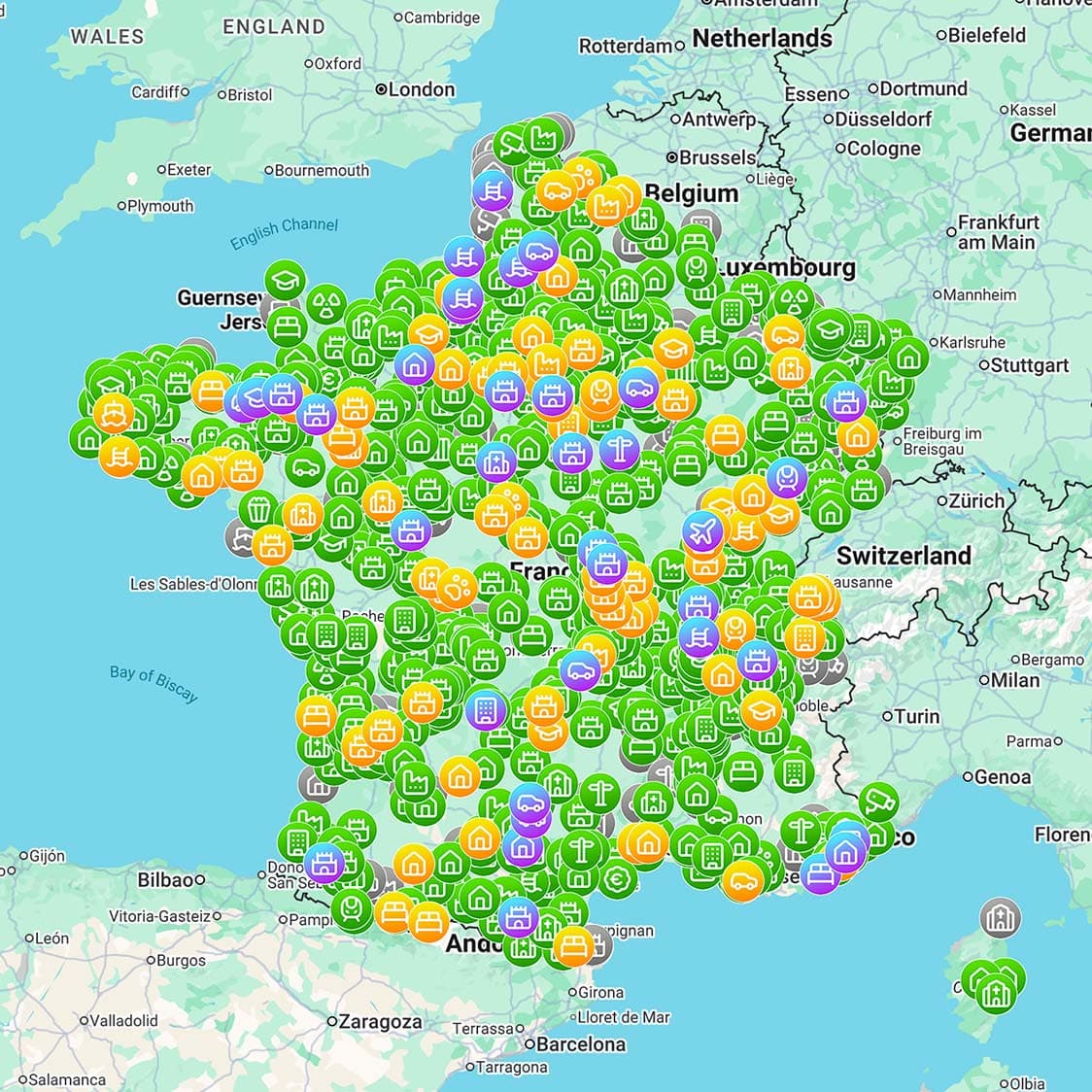
Is a lifetime urbex map really more cost-effective than a subscription?
Yes, a lifetime urbex map is often more cost-effective than a subscription if you plan to explore for more than a short trial period. The break-even point depends on the one-time price versus the recurring fee, but regular users usually benefit most. The better option still depends on update quality, verified listings, map coverage, and how often you actually use the service.
Quick summary
- A lifetime urbex map is usually better value for regular explorers.
- A subscription makes more sense for short-term, seasonal, or uncertain use.
- The key calculation is simple: lifetime price divided by subscription cost per month or per year.
- Verification quality matters as much as price.
- A curated map is only worth paying for if locations are updated and responsibly documented.
- Responsible urbex always requires legal access checks and on-site safety judgment.
Quick facts
- Best for long-term use: lifetime urbex map
- Best for testing a service: subscription
- Core metric: break-even time
- Main non-price factor: verified and updated locations
- Main risk: paying for access that you stop using quickly
- Safety reminder: never trespass, force entry, or ignore site hazards
How should you compare a lifetime urbex map with a subscription?
Compare them by total cost over your real usage period, not by the first payment alone. The right comparison is a simple ownership calculation plus a data-quality check.
Use this framework:
- Estimate how many months or years you will actually use the map.
- Convert every offer to the same time basis.
- Check whether locations are verified, curated, and updated.
- Look at coverage, filters, and trip-planning usefulness.
- Factor in cancellation risk and renewal fatigue.
| Offer model | How you pay | Best for | Main downside | Best value test |
|---|---|---|---|---|
| Lifetime urbex map | One-time payment | Frequent or long-term explorers | Higher upfront cost | Worth it if you expect to use it beyond the break-even point |
| Monthly subscription | Small recurring payments | Trial use or short projects | Cost keeps accumulating | Good if you need access for only a limited period |
| Annual subscription | One payment each year | Active users who still want flexibility | Renewal cost returns every year | Good if yearly cost stays below your expected long-term use value |
A practical formula is:
- Break-even months = lifetime price / monthly subscription price
- Break-even years = lifetime price / annual subscription price
If the lifetime offer equals ten monthly payments, it becomes cheaper from month eleven onward. That is the clearest way to judge rentability without guessing or inventing numbers.
When does a lifetime urbex map become more profitable than an urbex subscription?
A lifetime urbex map becomes more profitable as soon as your planned usage goes beyond its break-even point. If you expect repeated use across several trips or seasons, one-time access usually wins on pure cost.
This matters because urbex research is rarely a one-off task. Many explorers return to compare regions, build photo routes, replace closed sites, and prepare future travel. In that pattern, recurring fees compound quickly.
There is also a practical value effect. A map you can reopen at any time supports better planning. You are more likely to compare clusters, verify travel distance, and avoid rushed decisions before a trip.
Profitability is not automatic, though. If you buy lifetime access and stop exploring after a month, a subscription would have been cheaper. The better model depends on real use, not on marketing labels.
What makes a lifetime urbex map worth the price beyond simple cost?
The price makes sense when the map reduces research time, improves planning quality, and gives access to better data. That is the real reason some lifetime offers outperform cheaper subscriptions.
Look for these value drivers:
- Verified locations rather than copied lists
- Curated entries with practical context
- Consistent regional coverage
- Ongoing maintenance instead of static archives
- Filters that help plan realistic outings
- A preservation-first approach that does not push reckless behavior
MapUrbex positions its maps around verified locations and responsible urbex. That changes the value equation. Reliable information can save hours of low-quality searching and help you avoid duplicate, demolished, or inaccessible entries.
If you want to compare available collections, start here: Browse all urbex maps.
When is a subscription the better choice?
A subscription is the better choice when your need is temporary, uncertain, or highly seasonal. It is also sensible when you are still testing whether you will use a mapping service often enough.
A recurring plan may fit you better if:
- You only need a map for one trip
- You want a lower upfront cost
- You are comparing several services before committing
- You explore only once or twice a year
- You prefer flexibility over long-term savings
In short, a subscription wins when uncertainty is high. A lifetime urbex map wins when commitment and usage are high.
What should you check before buying any urbex offer?
Check update quality, verification standards, coverage, and terms before you focus on price alone. A cheaper product is not more cost-effective if it wastes time or points you toward bad data.
Use this checklist:
- Are the locations verified or merely aggregated?
- How often is the map updated?
- Is the geographic coverage useful for your travel plans?
- Are access conditions described responsibly?
- Does the offer help you plan legally and safely?
- If it is a subscription, how easy is cancellation?
- If it is lifetime access, what exactly is included over time?
Before paying for any map, it also helps to understand how discovery research works. These guides are useful references: How to Find Abandoned Places Near You and How to Find Abandoned Places in France.
MapUrbex supports responsible exploration only. Always respect local law, private property, and site conditions. Never force entry, trespass, or damage a location.
FAQ
Is a lifetime urbex map cheaper than a monthly urbex subscription?
Usually yes, but only after the break-even point. If the one-time price equals several months of subscription fees, the lifetime option becomes cheaper once your use lasts longer than that period.
Does lifetime access always mean lifetime updates?
Not necessarily. Some offers include long-term access but provide limited update guarantees. Always check what lifetime actually covers: map access, future additions, support, or only the current dataset.
Is a subscription better for beginners?
It can be. Beginners who are still testing their interest may prefer a lower upfront commitment. But beginners also benefit from verified data, because low-quality lists can create confusion and safety issues.
What matters more than price in an urbex offer?
Verification quality, update frequency, map coverage, and planning usefulness matter most. A cheap map is poor value if it sends you toward outdated, duplicated, or legally problematic spots.
Can a curated map replace on-site safety checks?
No. A curated map helps research and trip planning, but it does not replace real-time safety judgment. Conditions change, ownership changes, and access can become unsafe or illegal.
Conclusion: which option makes more sense?
For most regular explorers, a lifetime urbex map is more cost-effective than a subscription because recurring fees keep growing while a one-time purchase stops accumulating cost. That is especially true when the map includes verified locations, useful coverage, and ongoing curation.
For occasional users, a subscription can still be the smarter choice. The best decision is to calculate your break-even point, then judge the quality of the data behind the price.
If you want to test the ecosystem first, start with the free option below.
Access the free urbex map
