 MapUrbex
Use a curated Italy urbex map to find abandoned places faster, compare free and paid options, and plan a safer, responsible urbex trip.
Italy Urbex Map: How to Find Abandoned Places in Italy
Italy has one of the most varied abandoned landscapes in Europe. Former factories, empty villas, thermal spas, hospitals, military structures, and silent hotels are spread across regions with very different terrain and travel conditions.
That variety makes research slow if you rely only on scattered social posts. A curated Italy urbex map helps you find relevant places faster, compare regions, and plan a route with a preservation-first mindset.
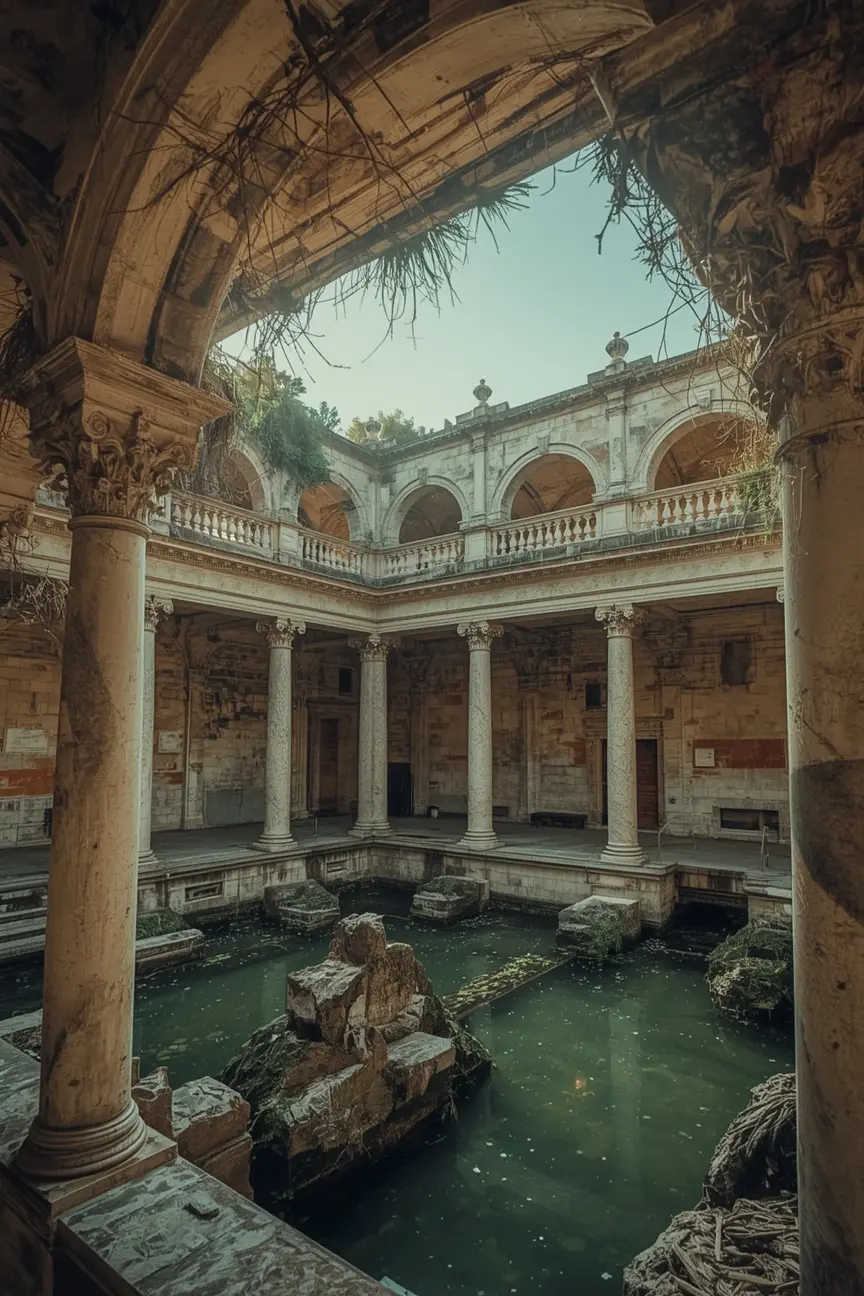
Where can you find a reliable urbex map of Italy?
The most reliable way to find abandoned places in Italy is to use a curated urbex map that groups verified locations, practical context, and regular updates in one place. In a country as large and regionally diverse as Italy, that saves time, reduces dead leads, and supports safer, more responsible planning.
If you want a broader overview first, Browse all urbex maps. If your focus is Italy specifically, you can also Explore abandoned places in Italy.
Quick summary
- An Italy urbex map helps you locate abandoned places without depending on random coordinates.
- Curated maps are useful for filtering by region, place type, and road-trip potential.
- Italy is especially strong for industrial ruins, abandoned thermal centers, villas, hotels, and medical sites.
- Free sources are useful for discovery, but paid curated maps usually save time and reduce false leads.
- Responsible urbex in Italy requires checking ownership, local rules, structural risk, and weather conditions.
- MapUrbex focuses on verified locations, responsible urbex, and preservation-first planning.
Quick facts
- Country: Italy
- Primary use case: Finding and organizing abandoned places across multiple regions
- Common site types: Factories, villas, hotels, spas, hospitals, transport infrastructure
- Best planning format: Country-level map plus regional trip planning
- Recommended approach: Daylight visits, legal checks, no forced entry, no vandalism
- Good complement: How to Plan an Urbex Road Trip in Europe
Why is an Italy urbex map useful for trip planning?
An Italy urbex map is useful because Italy's abandoned sites are spread unevenly across a long country, and regional context matters. A location that looks close on a screen can still require mountain roads, urban detours, or a full-day transfer.
Northern Italy often concentrates industrial and transport heritage. Central regions mix villas, institutions, and tourism-related abandonment. In the south, distance, heat, and road conditions can change how many sites you can realistically document in one trip.
A country-specific map is more practical than a loose folder of saved posts. It lets you compare clusters, build a sequence, and avoid wasting time on places that are already demolished, inaccessible, or badly described online. That is especially useful if you are comparing many Italy urbex spots at once.
Access the free urbex map
How should you choose between a free map and a paid map?
You should choose a free map for initial discovery and a paid map for efficient trip execution. Free sources are useful for testing interest, while curated paid maps become more valuable when you want higher density, better structure, and fewer false positives.
The difference is usually not just the number of pins. It is the research time you save, the way information is organized, and the quality of updates. Our comparison guide explains that in detail: Free vs Paid Urbex Map: Which Abandoned Places Map Is Worth It?.
| Source type | Main strength | Main limit | Best use |
|---|---|---|---|
| Free lists and social posts | Fast discovery | Old data, vague descriptions, inconsistent accuracy | Casual browsing |
| Generic bookmarks | Simple to save | Hard to organize at country scale | Personal notes |
| Curated map of abandoned places | Better structure, verified locations, route-planning value | Paid access | Serious trip preparation |
A good map of abandoned places in Italy should not push reckless behavior. It should help you research, plan legally, and decide when a site is better documented from public space rather than entered.
Which abandoned place categories are most common in Italy?
The most common abandoned place categories in Italy are industrial sites, thermal spas, villas and hotels, medical institutions, and military or transport infrastructure. These categories reflect Italy's industrial history, regional tourism cycles, and long layers of public and private development.
1. Former factories in northern Italy
Former factories are among the most emblematic urbex sites in Italy, especially in regions shaped by manufacturing and transport. Large industrial shells, workshops, depots, and worker facilities often survive as strong photographic subjects because they preserve machinery, signage, or repetitive architecture.
Industrial abandonment also tells a clear economic story. A good reference example is the Abandoned Bugatti Factory in Italy: History, Closure, and What Remains, which shows how closure history and what remains on site can be documented together.
2. Abandoned thermal spas and wellness complexes
Abandoned thermal sites are a distinctive Italian category because spa towns and wellness tourism have a long national history. These places often combine decorative interiors, medical functions, and hospitality spaces in one decaying complex.
They are visually striking, but they can also be structurally deceptive. Pools, damp floors, collapsed ceilings, and broken glass make careful assessment essential. The hero image above reflects this kind of site well.
3. Empty villas, hotels, and holiday buildings
Abandoned villas and hotels are widespread in Italy because residential, aristocratic, and tourism heritage overlaps across the country. You may find mountain hotels, coastal holiday properties, or rural villas left in long-term decline.
These places often attract attention because they look accessible and familiar. That is exactly why caution matters. Ownership is often private, neighbors may be close, and the legal situation can be more sensitive than at a remote industrial site.
4. Hospitals, clinics, and care homes
Medical abandonment is common in many European countries, and Italy is no exception. Old clinics, psychiatric facilities, rehabilitation centers, and care homes can contain layered traces of public services, institutional design, and changing healthcare networks.
These sites also require extra restraint. They can contain unstable flooring, hazardous materials, or sensitive records. Responsible explorers should never disturb documents, move objects, or treat former care environments as spectacle.
5. Military and transport infrastructure
Military structures, stations, depots, tunnels, and transport-related buildings form another important category in Italy. They often sit in strategic landscapes and can be historically significant even when little equipment remains.
Access conditions vary sharply. Some are fenced, monitored, or legally protected. Others are best appreciated from outside. A curated map helps identify the category, but local checks are still essential before any visit.
How can you plan a responsible urbex route across Italy?
The best way to plan a responsible urbex route across Italy is to group nearby categories, account for realistic driving time, and verify local conditions before departure. Italy rewards regional planning more than improvised country-wide jumping between pins.
Start with one corridor rather than the whole country. For example, you can structure a northern industrial trip, a central villas-and-institutions route, or a mixed itinerary around spa towns and former hotels. For broader method, read How to Plan an Urbex Road Trip in Europe.
Use this checklist before you go:
- Check whether the place is on private land or under active control.
- Avoid forced entry, climbing, and solo visits in unstable buildings.
- Prefer early daylight for photography, orientation, and safer exits.
- Bring boots, gloves, water, charged navigation, and a basic first-aid kit.
- Do not reveal easy-access details publicly.
- Leave the site exactly as found.
Responsible urban exploration in Italy is not just about personal safety. It also protects locations from vandalism, theft, and closure. Preservation-first behavior keeps places documentable for longer.
What should you expect from a curated map of abandoned places in Italy?
A curated map of abandoned places in Italy should help you search faster, compare regions, and build cleaner itineraries. It should reduce noise, not overwhelm you with random or duplicate points.
In practical terms, the most useful features are:
- country-wide coverage for Italy
- place grouping by category
- easier route building across multiple regions
- verified locations rather than anonymous screenshots
- a preservation-first framework instead of reckless access culture
If you already know Italy is your target, Explore abandoned places in Italy is the most direct next step. If you are still comparing countries, Browse all urbex maps gives the wider picture.
Explore abandoned places in Italy
FAQ
Is urban exploration legal in Italy?
Urban exploration is not automatically legal in Italy. The legal situation depends on ownership, access status, local regulations, and whether you enter without permission. A map can help you research a place, but it does not grant a right of entry.
Are free Italy urbex spot lists enough for a real trip?
Free lists can be enough for casual browsing, but they are often inefficient for a real trip. Many are outdated, incomplete, or too vague to help with route building. That is why many explorers start free and then switch to curated tools when planning seriously.
Which parts of Italy have many abandoned places?
Several Italian regions have high concentrations of abandoned sites, but the types vary. Northern areas often stand out for industry and infrastructure, while central and southern areas may offer more villas, hospitality buildings, and institutional sites. The useful question is not only where there are many places, but where there are enough relevant places for your route.
What gear is most useful for an Italy urbex road trip?
Strong boots, gloves, water, charged navigation, a flashlight, and a basic first-aid kit are the practical essentials. Add weather planning, especially for summer heat and mountain conditions. If a building looks unstable, the correct gear choice is often to stay out.
Should you share exact abandoned place coordinates online?
In most cases, no. Sharing exact coordinates publicly can accelerate vandalism, theft, and unsafe traffic to fragile sites. Responsible explorers usually share history and photographs without exposing easy access details.
Conclusion
An Italy urbex map is valuable because it turns scattered discovery into structured planning. In a country with strong regional differences and many types of abandoned places, a curated map saves time, improves route quality, and supports more responsible decisions.
The best result is not simply finding more pins. It is finding the right places for your trip while respecting legality, safety, and preservation. Start broad, filter carefully, and use verified tools instead of random coordinates.
Access the free urbex map
