 MapUrbex
Use a curated Italy urbex map to find abandoned places in Italy faster, compare regions, and plan research with a responsible, verified approach.
Italy Urbex Map: Find Abandoned Places in Italy More Easily
Italy has one of Europe's broadest mixes of abandoned factories, villas, hospitals, hotels, military sites, and thermal complexes. That makes the country especially attractive for photography, heritage research, and route planning, but it also makes reliable information harder to sort.
A good Italy urbex map helps you separate outdated rumors from usable location data. MapUrbex focuses on curated, verified locations, regional filtering, and a preservation-first approach so users can research abandoned places in Italy more efficiently and more responsibly.
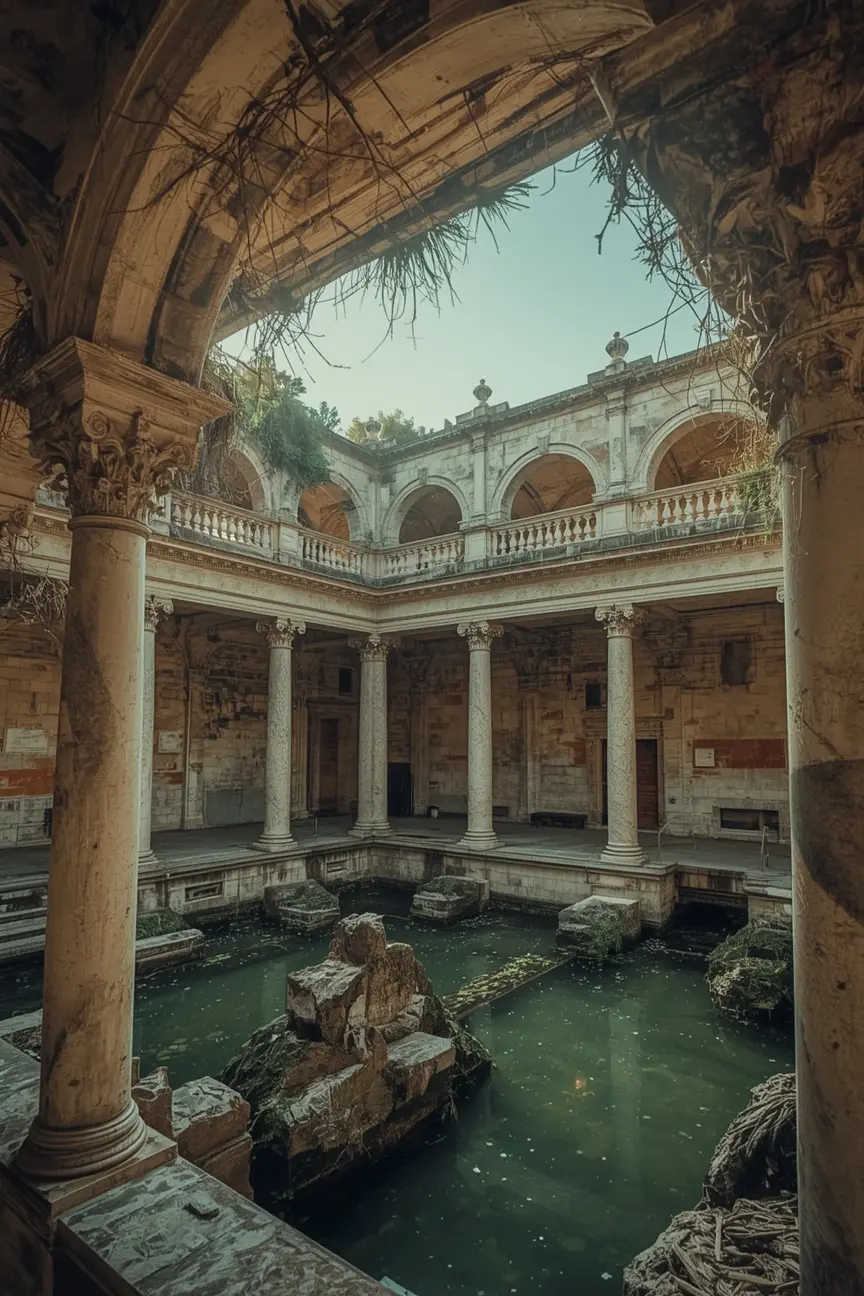
What is the best way to use an Italy urbex map to find abandoned places?
An Italy urbex map works best when it combines curated locations, recent status checks, and clear regional filtering. Instead of relying on scattered forum posts or random social media pins, use a map that groups abandoned factories, villas, hospitals, hotels, and other sites by area, then verify legal access, ownership, and safety before planning any trip.
Quick summary
- Italy offers a wide range of abandoned places, from industrial complexes in the north to villas, resorts, and former medical sites across the country.
- A curated map saves time because it filters unreliable tips and organizes spots by region and type.
- Verified status matters in Italy, where many locations change quickly through demolition, redevelopment, or tighter security.
- Responsible urbex starts with legal checks, respect for private property, and no forced entry.
- MapUrbex is designed for discovery and trip planning, not for reckless location sharing.
- If you want broader coverage, you can Browse all urbex maps or directly Explore abandoned places in Italy.
Quick facts
- Country: Italy
- Main goal: Find a practical map of abandoned places in Italy
- Best for: Trip planning, regional research, photography preparation, documentation
- Common place types: Factories, villas, hospitals, hotels, sanatoriums, military sites, thermal spas
- Main difficulty: Many public lists are outdated, vague, or copied from older posts
- Safety reminder: Always respect the law, avoid trespassing, and never enter unstable structures
Why use a curated Italy urbex map instead of random lists?
A curated Italy urbex map is more useful than random lists because it reduces noise and improves decision-making. Free posts often mix demolished sites, inaccessible properties, duplicate entries, and vague descriptions that waste time once you are on the road.
MapUrbex is built around organized country coverage. If you want a wider overview first, you can Browse all urbex maps. If your focus is specifically Italian locations, Explore abandoned places in Italy gives you a country-level entry point with more structure than scattered forum threads.
This matters for research quality as much as convenience. A proper map helps you compare regions, cluster visits, and avoid planning a full day around a location that has already been secured or renovated. For a broader explanation of the method, see Italy Urbex Map: How to Find Abandoned Places in Italy.
Which abandoned places in Italy are people usually searching for?
People searching for abandoned places in Italy are usually looking for industrial ruins, forgotten villas, former hotels, hospitals, and isolated rural compounds. The strongest demand is for places that combine visual identity, accessible regional context, and enough scale to justify a trip.
In practice, several categories dominate search behavior:
- Factories and workshops: especially in northern industrial regions
- Villas and manor houses: often sought for interiors, decoration, and atmosphere
- Hospitals and sanatoriums: valued for strong visual impact and documentary interest
- Hotels and resorts: common in coastal, spa, and mountain areas
- Military and infrastructure sites: searched for their scale, isolation, and unusual layouts
A useful map of abandoned places in Italy should let users filter those categories instead of forcing them to scroll through unstructured tips.
Where are the main urbex regions in Italy?
The main urbex regions in Italy are the northern industrial belt, the Alpine and spa areas, central rural and institutional zones, coastal resort corridors, and parts of the south and islands. Each region tends to produce different types of abandoned sites, so a good Italy urbex map should be searchable by both geography and category.
1. Northern industrial regions
Northern Italy is the country's strongest industrial cluster, so it is one of the first areas people check when they want factory and warehouse locations. Lombardy, Piedmont, Veneto, and Emilia-Romagna contain a high concentration of former industrial properties, workshops, and support buildings.
These places attract photographers because they preserve scale. Long production halls, empty offices, rusting equipment, and transport links create more varied documentation opportunities than smaller domestic ruins. For a known example connected to this theme, see Abandoned Bugatti Factory in Italy: History, Closure, and What Remains.
2. Alpine and thermal areas
Mountain regions and spa zones are especially relevant if you are searching for abandoned hotels, sanatoriums, and thermal complexes. These buildings were often tied to older tourism models or health infrastructure that later declined.
They remain popular because they combine architecture with remote landscapes. The contrast between grand hospitality spaces and empty mountain surroundings is one of the main reasons these locations circulate so widely in searches about Italy urbex spots.
3. Central Italy's villas, hospitals, and rural estates
Central Italy is often associated with abandoned villas, convents, hospitals, and large rural compounds. Tuscany, Lazio, Umbria, and nearby areas often produce a different urbex experience from the industrial north.
These sites appeal to people interested in interiors, historical traces, and long-term neglect rather than heavy machinery. Searchers looking for abandoned places in Italy often imagine exactly this type of location: faded frescoes, courtyards, chapels, and forgotten residential wings.
4. Coastal hotel and resort corridors
Italy's long coastlines created many tourist developments, and some later fell into decline. That makes coastal zones important for people looking for former hotels, holiday villages, restaurants, and entertainment spaces.
These locations are especially useful to map because their status changes quickly. Some are demolished, some are fenced, and some are partially reused. A curated map is therefore more helpful than static lists that may no longer reflect the current situation.
5. Southern regions and islands
Southern Italy and the islands can include smaller industrial remnants, military structures, transport-related sites, and abandoned public buildings. Coverage is often more fragmented, which is exactly why map quality matters.
In these areas, isolated tips from social media are especially unreliable because they often lack context. A curated map helps users understand whether a pin refers to a substantial site, a minor ruin, or a place that is no longer viable for documentation.
How does MapUrbex organize and verify abandoned locations in Italy?
MapUrbex organizes abandoned locations in Italy by country, region, and site type so users can research more efficiently. The goal is not to push reckless exploration, but to provide a cleaner, more usable map of abandoned places in Italy with better filtering than scattered posts.
Verification matters because Italy changes fast. Some places are restored, some become inaccessible, and some are demolished. A preservation-first map reduces confusion by treating location data as something that needs curation, not just accumulation.
If you want to compare options before buying, read Free vs Paid Urbex Map: Which Abandoned Places Map Is Worth It?. If you want a starting point before choosing a country pack, use the free option below.
Access the free urbex map
What should you check before visiting a spot from an Italy urbex map?
Before visiting any spot from an Italy urbex map, you should check legality, ownership, physical condition, and current access status. A map helps with planning, but it never removes the need for on-site judgment and responsible behavior.
Use this checklist before any trip:
- Confirm whether the site is private property or restricted.
- Do not force entry, climb unsafe structures, or bypass active security.
- Check recent weather, especially for flooded basements, roof damage, and landslide risk in rural or mountain areas.
- Go only if the building appears structurally stable from the outside.
- Protect the site: do not break, move, or remove anything.
- Avoid publishing sensitive access details that can increase vandalism.
This is also where a curated map has practical value. Good data helps you plan realistic routes and reduces the temptation to improvise at the property line.
Is a free Italy urbex map enough, or is a paid map better?
A free Italy urbex map can be enough for broad discovery, but a paid map is usually better for serious trip planning. The difference is less about marketing and more about depth, structure, and time saved.
| Option | Best use | Limits |
|---|---|---|
| Free map | Initial discovery, testing the platform, broad regional overview | Usually less depth and fewer planning details |
| Paid country map | Focused research, route planning, better coverage for one destination | Higher commitment if you only browse casually |
The right choice depends on your goal. If you are comparing formats, Free vs Paid Urbex Map: Which Abandoned Places Map Is Worth It? explains the trade-offs clearly. If Italy is already your target, it is often faster to Explore abandoned places in Italy directly.
FAQ
Is urbex legal in Italy?
Urbex is not a blanket legal category in Italy. What matters is property law, access restrictions, local rules, and safety conditions. If a site is private, fenced, actively secured, or clearly restricted, you should not trespass or force entry.
What kinds of abandoned places can be found in Italy?
Italy has a wide range of abandoned sites, including factories, villas, hospitals, sanatoriums, hotels, military structures, and thermal complexes. The mix changes by region. Northern areas lean more industrial, while central and mountain areas often feature villas, institutions, and former hospitality sites.
How current are abandoned place maps in Italy?
Abandoned place data in Italy can age quickly. Sites may be renovated, demolished, resecured, or repurposed within months. That is why curated and updated maps are more reliable than old forum threads or viral social posts.
Can beginners use an Italy urbex map responsibly?
Yes, but beginners should start with research, not impulse visits. Learn how to read access conditions, avoid risky structures, and respect private property. Responsible urbex means documentation and preservation, not entry at any cost.
What is the difference between a location list and a curated map?
A location list is usually just a collection of names or vague pins. A curated map adds structure, filtering, and quality control so users can compare regions and site types more effectively. That makes planning easier and reduces wasted trips.
Conclusion
The best Italy urbex map is the one that helps you find abandoned places in Italy with less noise, better structure, and a clear safety mindset. In a country with highly varied abandoned heritage, curation matters as much as quantity.
If you want to start with a broader overview, use the free map first. If you already know Italy is your next destination, the country pack gives you a faster path to focused research.
Explore abandoned places in Italy
