 MapUrbex
Use a curated Italy urbex map to find verified abandoned places, compare free vs paid options, and plan responsible urbex trips across Italy.
Italy Urbex Map: Find Abandoned Places in Italy
An Italy urbex map helps photographers, historians, and road-trip planners locate abandoned places in Italy without relying on scattered forum posts or vague social media pins. Across the country, disused villas, factories, hotels, thermal spas, hospitals, and military sites are spread between large cities, alpine corridors, and rural regions.
The challenge is not that Italy lacks urbex locations. The challenge is filtering outdated coordinates, duplicate listings, and poorly described spots. A curated map makes that process faster, clearer, and more responsible.
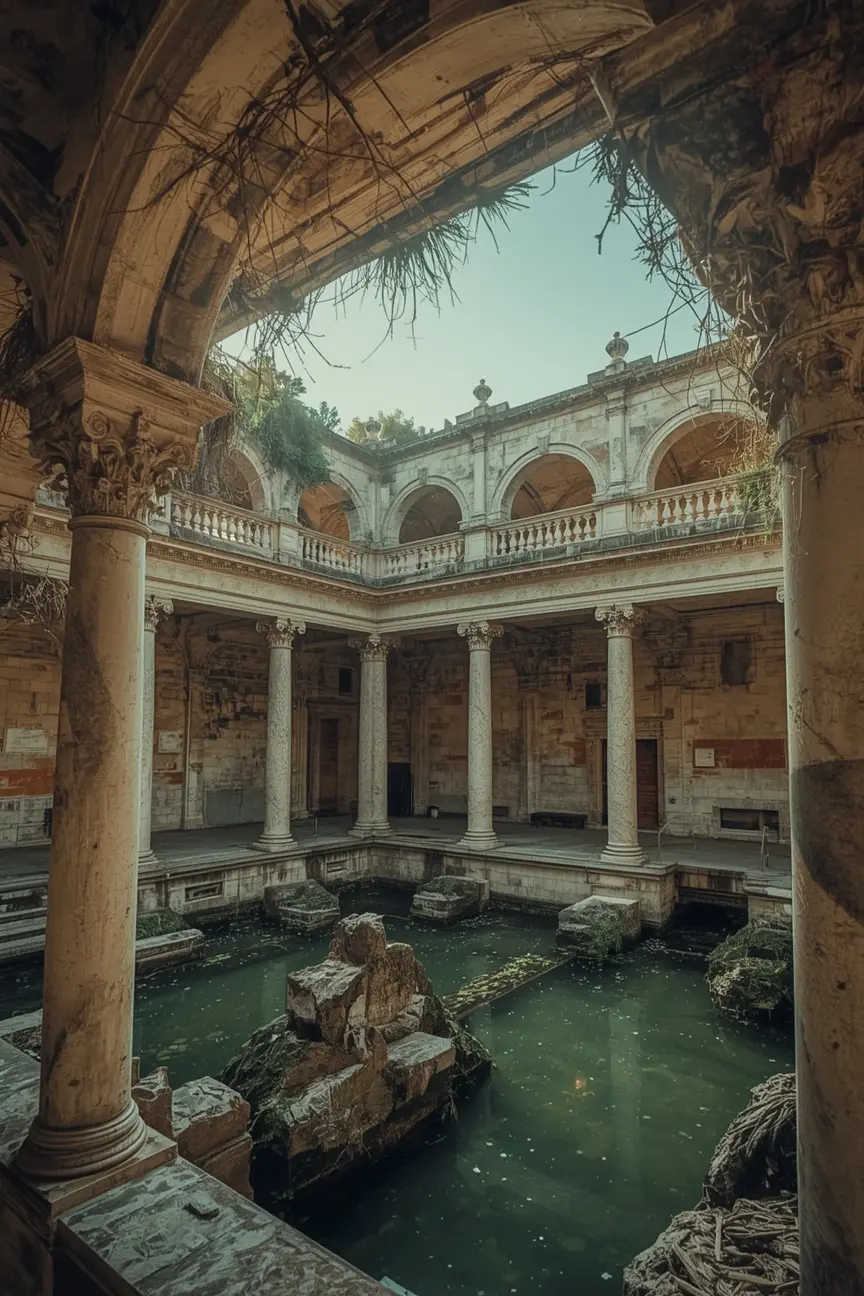
What is the best Italy urbex map for finding abandoned places in Italy?
The best Italy urbex map is a curated map with verified abandoned places, useful context, and regular updates. It helps you find relevant abandoned places in Italy more efficiently than random lists, while supporting route planning, responsible urbex, and preservation-first decisions.
Quick summary
- A curated Italy urbex map saves time by filtering outdated or vague listings.
- Italy has many kinds of abandoned places, including villas, factories, hotels, hospitals, thermal spas, and military sites.
- Verified maps are more useful for trip planning than scattered forum posts or social media clues.
- A free map is useful for testing the format; a paid map is better for deeper regional planning.
- Responsible urbex in Italy means respecting property, avoiding forced entry, and prioritizing safety.
- MapUrbex focuses on verified locations, curated maps, and preservation-first research.
Quick facts
- Country: Italy
- Guide type: transactional guide for choosing an abandoned places map
- Best for: road trips, photo scouting, regional research, and route planning
- Common site types: industrial ruins, villas, hotels, hospitals, spas, and institutional buildings
- Useful pages: Browse all urbex maps, Explore abandoned places in Italy
- Related reading: Italy Urbex Map: How to Find Abandoned Places in Italy
Why use a curated Italy urbex map instead of random online spots?
A curated Italy urbex map is more useful because it turns scattered information into a practical planning tool. It helps you compare regions, estimate driving time, and avoid wasting trips on abandoned places in Italy that are described vaguely or are no longer relevant.
Random posts often show striking photos but very little context. Forum threads can contain good leads, but many are years old. A country-level map makes it easier to see clusters near Milan, Turin, Genoa, Rome, Naples, or smaller mountain areas without depending on isolated clues.
Map quality matters more than raw pin count. A smaller curated database is often more actionable than a long list of uncertain spots. If you want to compare formats first, read Free vs Paid Urbex Map: Which Abandoned Places Map Is Worth It? and then Browse all urbex maps.
Access the free urbex map
Which abandoned places in Italy are people usually looking for?
People usually search for industrial ruins, abandoned villas, mountain hotels, hospitals, thermal spas, and military sites. These categories appear across Italy and reflect the country's industrial history, tourism infrastructure, and the long-term decline of some rural or institutional properties.
The most useful abandoned places map is not built around a single viral site. It should cover several categories so you can plan by region, visual interest, and travel style. The list below shows the types of locations most often searched in Italy.
1. Abandoned factories and industrial complexes
Industrial ruins are among the most searched spots in Italy because they combine scale, machinery, and clear historical context. Former production halls, warehouses, and workshops are often easier to identify on a map than smaller private buildings.
One concrete example is the site discussed in Abandoned Bugatti Factory in Italy: History, Closure, and What Remains. Even when one famous factory attracts attention, it is often the wider industrial belt around it that makes a regional map valuable.
2. Abandoned villas and manor houses
Abandoned villas are common in Italy urbex searches because they offer interiors, decorative details, and a strong sense of social history. These sites range from country houses and urban mansions to isolated estates hidden in wooded areas.
They are also the type of location most likely to generate misleading pins online. A curated map helps separate serious research targets from rumors, especially in regions where several similar properties exist within a short driving distance.
3. Closed hotels and alpine structures
Italy's tourism history left behind many closed hotels, resorts, and mountain lodges. These places attract photographers because they often preserve reception spaces, room layouts, signage, and dramatic surroundings.
They are especially relevant for road trips through northern regions and former holiday corridors. A country map helps you identify whether a region has only one isolated building or a larger concentration worth a full weekend itinerary.
4. Abandoned hospitals, clinics, and thermal spas
Hospitals, clinics, and thermal spas are frequently searched because they combine architecture, social history, and visible traces of previous public use. In Italy, disused thermal facilities are especially notable because spa culture has deep regional roots.
These places also require caution. They can contain unstable floors, broken glass, water damage, and restricted sections. MapUrbex's preservation-first approach matters here: the goal is documentation and planning, not risky behavior or unlawful entry.
5. Military and institutional sites
Military buildings, training grounds, and institutional complexes appear often in abandoned places searches because they cover large footprints and remain visible in the landscape long after closure. Barracks, depots, and administrative blocks are typical examples.
These sites can also create the most confusion online. Former use does not mean public access. A verified map is useful because it helps identify the location context, but local rules, ownership, and safety constraints still need to be checked before any visit.
How do verified maps reduce risk and save time in Italy?
Verified maps reduce risk and save time by replacing scattered clues with organized location data. That makes route planning more efficient and helps you focus on abandoned places in Italy that match your region, trip length, and visual or historical interests.
A good map does not only show pins. It helps you judge whether a location is relevant, recent, and worth the travel time. For photographers and researchers, that means fewer wasted detours and a clearer shortlist before a trip.
| Source type | Main strength | Main weakness | Best use |
|---|---|---|---|
| Curated urbex map | Structured coverage and verified organization | Full depth may require purchase | Trip planning across regions |
| Free map sample | Easy way to test the format | Limited depth | First discovery and short planning |
| Forum thread | Historical tips and local context | Often outdated | Background reading only |
| Social media post | Visual inspiration | Rarely precise or current | Idea generation only |
This is also where responsible urbex becomes practical. You should never force entry, trespass, or bypass barriers. Use map data to research, compare, and plan legally and safely, not to ignore ownership or site conditions.
How can you choose between a free and paid urbex map for Italy?
You should choose a free map if you want to test coverage and a paid Italy urbex map if you need deeper country-specific planning. The right option depends on whether you want inspiration, a weekend route, or a broader abandoned places map for repeated trips in Italy.
A free map is useful when you are new to the format or only want a quick view of how MapUrbex organizes locations. It lets you evaluate the structure and see whether a map-based approach matches your travel style.
A paid country bundle becomes more useful when Italy is the main destination. It supports multi-stop itineraries, regional comparisons, and return visits. For a deeper comparison, read Free vs Paid Urbex Map: Which Abandoned Places Map Is Worth It? and then Explore abandoned places in Italy.
Explore abandoned places in Italy
What should you know before visiting abandoned places in Italy?
Before visiting abandoned places in Italy, you should check legal status, ownership, structural condition, weather, and route logistics. An urbex map helps with planning, but it does not replace local judgment, permission requirements, or basic safety practice.
Keep these points in mind:
- Do not enter private property without permission.
- Do not force doors, climb barriers, or bypass locks.
- Expect unstable floors, broken glass, water damage, and hidden drops.
- Bring offline navigation, charged batteries, and weather-appropriate clothing.
- Avoid unnecessary risk, especially in remote areas.
- Leave places unchanged. Preservation matters more than a photo.
If you are still comparing coverage or destinations, Browse all urbex maps gives a broader view, while Italy Urbex Map: How to Find Abandoned Places in Italy explains the search process in more detail.
FAQ
Is an Italy urbex map useful for road trips?
Yes. Italy has many abandoned place clusters separated by significant driving distances, so route planning matters. A map helps you group nearby targets instead of building a trip from isolated pins one by one. That saves time and fuel, especially across large regions.
Can a map guarantee that a location is accessible?
No. A map can organize and verify location data, but access conditions change. Ownership, barriers, maintenance work, and safety hazards can all evolve. Always verify local conditions and never assume that closure means legal entry.
What kinds of abandoned places are most common in Italy?
The most common categories include factories, villas, hotels, hospitals, thermal spas, and institutional buildings. Distribution varies by region. Northern industrial areas, tourism corridors, and smaller depopulated zones all contribute different site types.
Should you start with a free or paid urbex map?
Start with a free map if you want to test the format and see whether the coverage matches your interests. Choose a paid map when you need more depth for repeated trips or country-wide planning. The best choice depends on how often you travel and how precise you want your shortlist to be.
Is MapUrbex designed for responsible urbex?
Yes. MapUrbex is built around verified locations, curated maps, and a preservation-first approach. The goal is to help users research abandoned places more efficiently, not to promote trespassing or reckless behavior. That positioning is especially important in sensitive or deteriorated sites.
Conclusion
An Italy urbex map is most useful when it turns scattered information into a clear planning tool. For abandoned places in Italy, the real value is not just discovering a single spot. It is building better routes, reducing dead leads, and choosing locations with more context.
If you want a practical starting point, test the free map first. If Italy is your main destination, move to the country bundle for deeper coverage and better trip planning.
Access the free urbex map
