 MapUrbex
A clear guide to urbex legality in France: private property, abandoned buildings, legal risks, fines, and how to explore responsibly.
Is Urbex Legal in France? What the Law Really Says
Urbex attracts photographers, historians, and curious explorers because abandoned places preserve visible pieces of the past. In France, however, the word abandoned does not mean free to enter.
French law does not create a special exception for urbex. The real legal question is usually simpler: who owns the place, do you have permission, and does access involve a protected, occupied, or dangerous site?
This guide explains the legal framework in plain language. It is an informational overview, not personal legal advice.
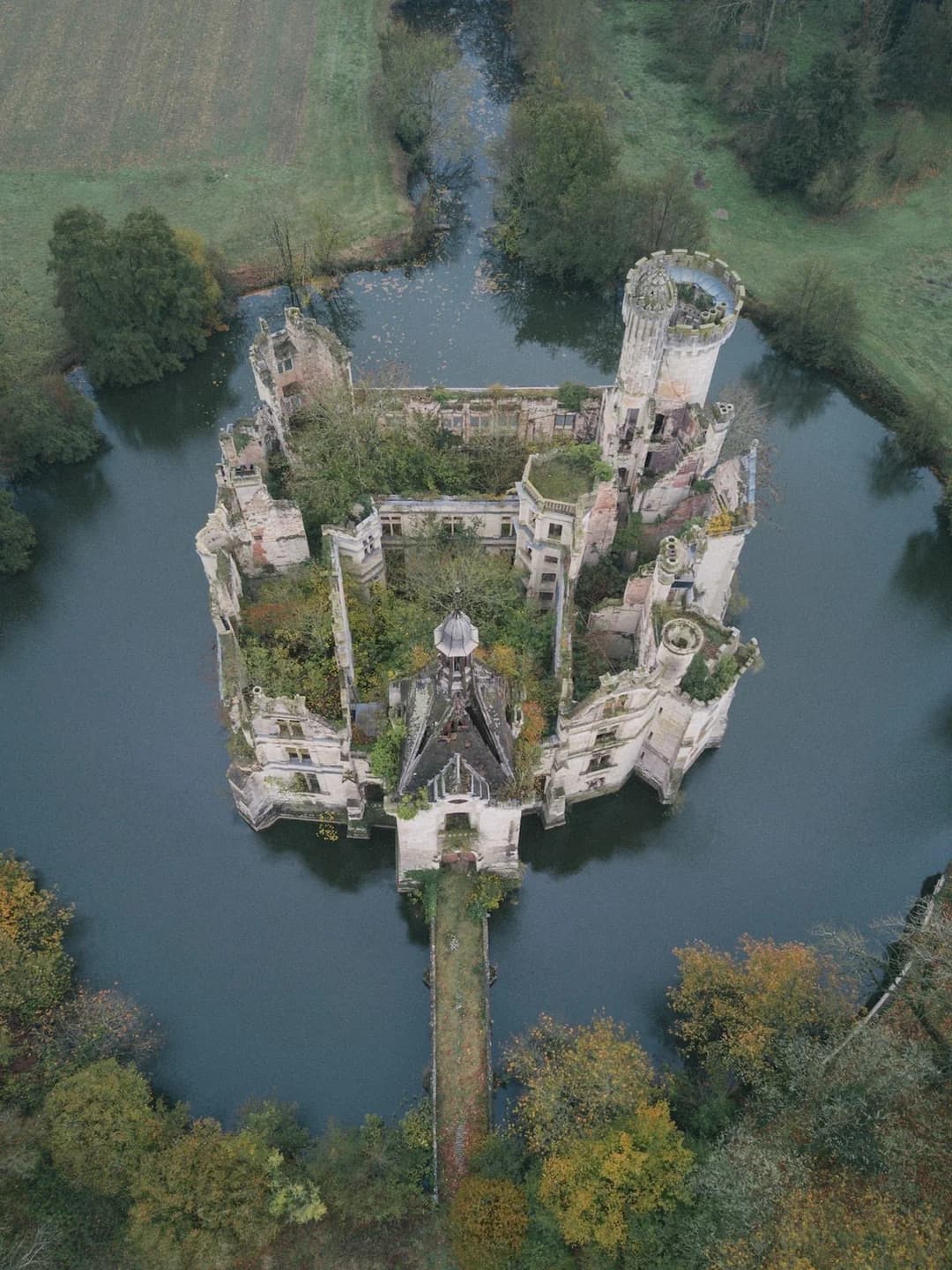
Is urbex legal in France?
Urbex is not automatically legal in France. An abandoned building usually still belongs to an owner, and there is no general right to enter it without permission. Legal risk increases sharply if the place is legally treated as a home, if access requires bypassing barriers or locks, or if the site is protected, occupied, or dangerous.
Quick summary
- Urbex is not specifically authorized by French law.
- A place that looks abandoned is usually still private property.
- Owner permission is the safest legal baseline.
- Forced entry, damage, theft, or intrusion into a dwelling can trigger criminal liability.
- Even without breaking in, you may face removal, police checks, complaints, or civil claims.
- Responsible exploration means preservation-first behavior and no entry without authorization.
Quick facts
| Point | Short answer | Why it matters |
|---|---|---|
| Is urbex expressly legal? | No specific legal exception exists | Urbex is judged under general property and criminal rules |
| Does abandoned mean ownerless? | Usually no | Most sites still have a legal owner |
| Is permission important? | Yes | Authorization is the clearest way to reduce legal risk |
| Can a site be sensitive even if unused? | Yes | Rail, military, industrial, utility, and protected sites may involve stricter rules |
| Is damage a major legal trigger? | Yes | Cutting fences, forcing doors, or breaking locks creates serious additional risk |
| Does MapUrbex grant entry rights? | No | A map helps you research locations, not override property law |
Does an abandoned place become free to enter?
No. In France, a place does not become legally open just because it appears empty, neglected, or ruinous.
This is the core mistake behind many urbex legal problems. Everyday language uses abandoned to describe a place with no visible activity. The law asks a different question: is there still an owner, a manager, a tenant, a public authority, or a protected status attached to the site? In most cases, the answer is yes.
A useful rule of thumb is simple: visible abandonment is not legal abandonment. A factory can be closed for years and still remain private property. A manor can be decaying and still belong to an estate. A farmhouse can look empty and still qualify as a home in legal terms.
What does private property mean for urbex in France?
Private property means that the owner's consent matters more than the aesthetic state of the building.
If a site is privately owned, entering without authorization can expose you to legal consequences even when nothing is damaged or stolen. Signs such as private property, no entry, video surveillance, or closed gate make the lack of consent even clearer. The same applies when a fence, wall, chain, or locked door shows that access is restricted.
In practice, permission is the dividing line. If you have clear authorization, your legal position is stronger. If you do not, the fact that a site is old or unused does not create a legal invitation.
This is why responsible planning matters more than spontaneity. Research ownership, check local restrictions, and never assume that an open window or damaged gate means entry is acceptable.
When can urbex become a criminal matter?
Urbex can become a criminal matter when access involves a protected space, a dwelling, damage, theft, or other prohibited conduct.
In France, risk becomes significantly higher in situations such as these:
- the place legally qualifies as someone else's home or dwelling
- access involves forcing a door, breaking a lock, cutting a fence, or bypassing alarms
- objects are taken, moved, or damaged
- graffiti, tagging, or any deterioration occurs
- the site is an active industrial zone, rail area, military site, utility facility, or otherwise restricted zone
- explorers refuse to leave when instructed by police, security, or the owner
One important nuance matters. Not every abandoned building is automatically a dwelling in legal terms, but some apparently empty houses, second homes, caretaker buildings, or partially used sites may still be protected more strictly than people assume. That is why guessing is risky.
What legal risks exist even without breaking in?
Even without forced entry, legal risk does not disappear.
You may still be removed from the site, identified by police, reported by neighbors, or face a complaint from the owner or manager. In some cases, civil liability can follow if your presence contributes to damage, emergency response costs, or a hazardous incident.
Insurance is another overlooked issue. If you are injured while accessing a place without permission, coverage may become more complicated. The same is true if a third party is harmed during an unauthorized visit.
The practical takeaway is clear: no broken lock does not mean no legal exposure.
Which places are especially sensitive or forbidden?
Some places create much higher legal and safety risk and should not be entered without explicit authorization.
This includes rail infrastructure, tunnels, quarries, rooftops, military zones, power facilities, water infrastructure, active industrial sites, and locations with environmental contamination. It also includes places that may still host staff, security teams, temporary occupants, or public functions behind closed facades.
Protected heritage sites can also involve extra rules. Historical value does not cancel ownership, and preservation concerns can increase scrutiny. The same logic applies to schools, hospitals, hotels, and religious buildings that appear unused but still have administrators, owners, or redevelopment plans.
If access could interfere with public safety, transport, utilities, or preservation, the correct assumption is that entry is not acceptable without permission.
How can you reduce legal and safety risk responsibly?
The best way to reduce legal risk is not to enter without explicit authorization.
If you are researching locations in France, responsible practice means:
- prioritize places where access status is verified
- seek written permission whenever possible
- never force entry or bypass barriers
- leave immediately if asked to leave
- never remove objects or reveal sensitive details that encourage vandalism
- avoid hazardous structures, roofs, shafts, tunnels, and contaminated sites
- go only where doing so is lawful and safe
MapUrbex supports a preservation-first approach. The goal is not reckless access. The goal is better information, verified context, and responsible decision-making.
How does MapUrbex help you explore more responsibly?
MapUrbex helps by organizing verified location research, not by granting permission to enter restricted places.
If you want a broader overview of French legal issues, start with Is Urbex Legal in France? Complete Guide for 2026, Urbex and the Law in France: What Is Legal and What Is Not, and Urbex Legality in France: Risks, Fines, and What the Law Says.
If you are comparing regions or planning research, you can also Browse all urbex maps. Always remember that a mapped location is not legal authorization. Verified data helps reduce confusion, but consent, local rules, and site status still control what is lawful.
FAQ
Is entering an abandoned house in France always illegal?
Not always in exactly the same way, but it is never safe to assume it is allowed. If the house is private property and you do not have permission, you may face removal, complaints, civil liability, or more serious issues if the place is treated as a dwelling or if access involves damage.
Is urbex legal if a door or window is already open?
No. An already open access point does not create permission. The legal issue is authorization, not whether you had to force entry yourself.
Can police stop you at an abandoned site in France?
Yes. Police or security may check your identity, ask why you are there, and require you to leave. If the owner complains or the site is sensitive, the situation can escalate.
Does a private property sign matter if the building looks empty?
Yes. A sign is strong evidence that access is restricted and that consent is missing. Ignoring it increases legal risk.
Does MapUrbex make an urbex visit legal?
No. MapUrbex provides curated information and verified location research. It does not replace permission from the owner or compliance with French law.
Conclusion
So, is urbex legal in France? In most real-world situations, the honest answer is no without permission, and sometimes the risk is much higher than people expect.
The safest rule is also the simplest one: abandonment does not cancel ownership. If you care about preservation, legality, and personal safety, avoid unauthorized entry and rely on verified information before making any decision.
Access the free urbex map
