 MapUrbex
A clear 2026 guide to urbex legality in France, including private property, trespass risks, fines, and how to explore responsibly.
Is Urbex Legal in France? Risks, Fines, and the Law in 2026
Urbex in France is not governed by one simple yes-or-no rule. The legal risk depends on where you go, how you enter, whether the site is still privately owned, and what happens once you are inside.
That is why many explorers misunderstand the issue. An abandoned place can still be protected by private property law, safety rules, heritage restrictions, or criminal law if entry involves damage, theft, or refusal to leave.
This guide explains the legality of urbex in France in practical terms for 2026. It is an informational overview, not personal legal advice.
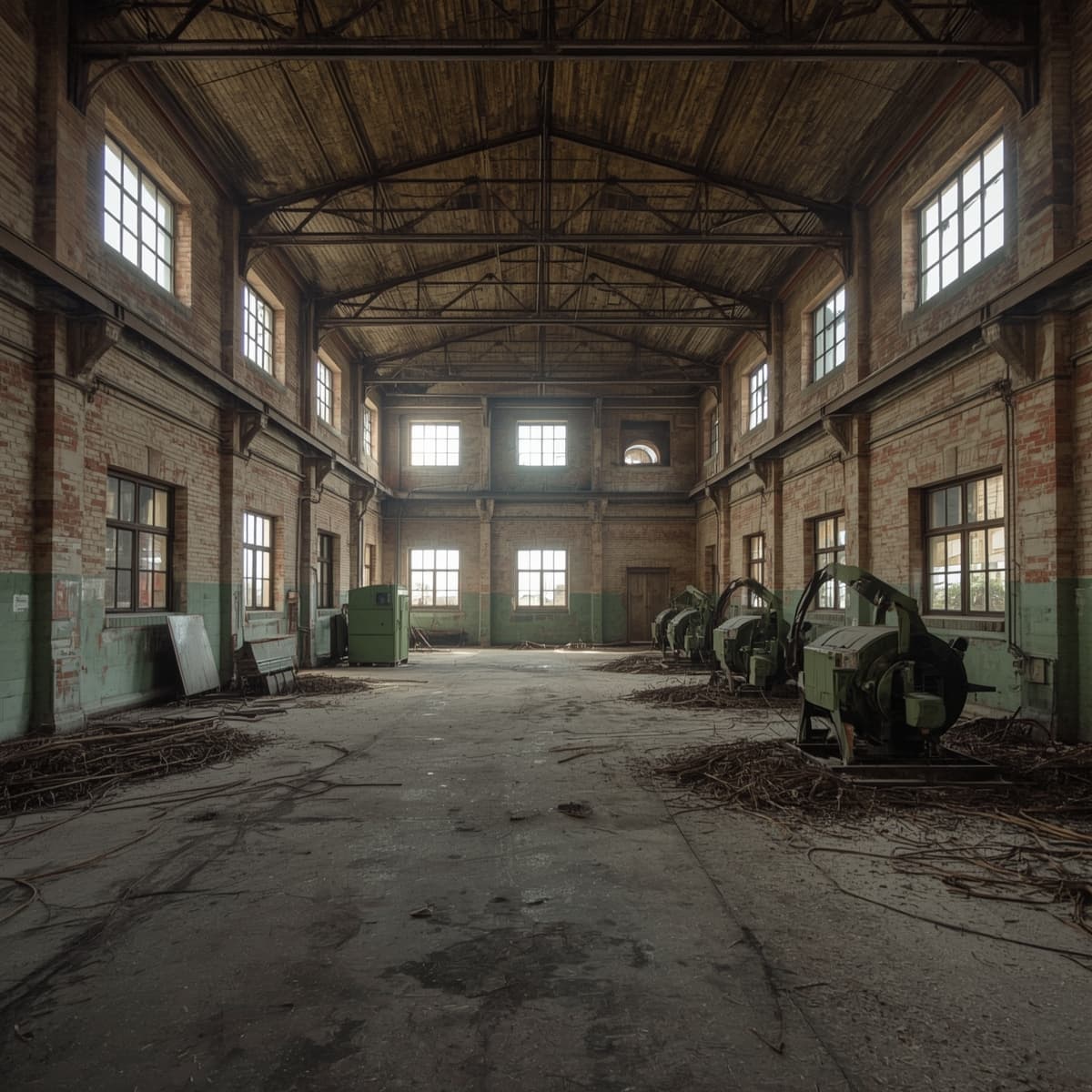
Is urbex legal in France?
Urbex is not automatically legal or illegal in France. French law does not create a special legal category for urbex. In practice, legality depends on the site and your conduct: owner permission, private property status, forced entry, restricted areas, damage, theft, and whether the building qualifies as a dwelling all matter.
Quick summary
- France has no single "urbex law" and no automatic nationwide urbex fine.
- An abandoned building can still be private property, and abandonment does not cancel ownership rights.
- Entering without authorization can trigger police intervention, removal from the site, or criminal exposure in some situations.
- The biggest legal risks come from forced entry, damage, theft, entering a dwelling, or ignoring an order to leave.
- Owner permission is the clearest legal protection.
- Responsible urbex means preservation first, no forced access, and no location sharing that increases harm.
Quick facts
| Point | Short answer |
|---|---|
| Is there a specific urbex law in France? | No. Urbex is assessed through general property, criminal, and safety rules. |
| Does abandonment make entry legal? | No. A site can look abandoned and still be legally protected. |
| Is private abandoned property still private? | Usually yes. Ownership does not disappear because a place is unused. |
| What raises risk the most? | Breaking in, entering a dwelling, theft, damage, and refusing to leave. |
| Best legal precaution | Obtain clear permission from the owner or lawful occupier. |
| Best practical precaution | Choose verified information, avoid unsafe structures, and leave no trace. |
Why is urbex not simply legal or illegal in France?
Urbex is not simply legal or illegal in France because the law evaluates the facts, not the label. Saying "I was doing urbex" does not create a legal exception.
French law looks at several separate questions. Was the place private property? Was access authorized? Did the person cross a fence, lock, or sealed entrance? Was the site a true dwelling? Was there damage, theft, or danger to others? Each point can change the legal outcome.
This is the key idea many guides miss: there is no standalone offense called urbex. The real issue is whether the visit overlaps with another offense or a local access restriction.
For a broader overview, see Is Urbex Legal in France? Complete Guide for 2026.
What changes when the site is abandoned private property?
The fact that a property is abandoned does not make it free to enter. In France, an unused factory, school, house, or warehouse can still have an owner, an insurer, a caretaker, or a public authority responsible for it.
That means the phrase "abandoned private property" is often misleading. It may be abandoned in everyday language, but it is not ownerless in legal terms.
This matters for two reasons:
- The owner can deny access even if the building has been empty for years.
- A dangerous site can also be subject to closure orders or liability concerns.
If access is granted by the owner or lawful occupier, the legal position changes significantly. Permission does not solve every issue, especially on hazardous or protected sites, but it is the strongest first step.
Which actions create the biggest legal risks during urbex?
The biggest legal risks come from conduct, not from photography itself. Taking photos is usually not the legal problem. The problem is how the person got there and what happened on site.
The main risk factors are:
- entering without authorization after signs, fences, or locked barriers
- forcing a window, door, chain, or padlock
- accessing a site that qualifies as a dwelling rather than a simple empty building
- causing damage, even minor damage during entry
- taking objects or "souvenirs"
- ignoring a request from the owner, security staff, or police to leave
- entering a site subject to municipal, industrial, railway, or safety restrictions
A common misconception is that an open door makes entry lawful. It does not. An unlocked opening is not the same as permission.
Another misconception is that "I touched nothing" removes legal risk. It may reduce the seriousness of the situation, but it does not automatically make entry lawful.
What fines or penalties can apply in France in 2026?
There is no single urbex fine in France for 2026. The legal exposure depends on the offense that authorities or a court believe actually occurred.
In practice, the possible consequences range from being asked to leave, to identity checks, to a complaint by the owner, to criminal charges if the facts are more serious. The most significant exposure usually appears when the case involves a dwelling, forced entry, damage, theft, or a restricted security-sensitive area.
The table below shows the logic clearly.
| Situation | Typical legal issue | Risk level |
|---|---|---|
| Entering an empty site without permission but without damage | Unauthorized presence on private property, possible police intervention or complaint | Moderate |
| Entering a dwelling without consent | Possible home invasion issue under criminal law | High |
| Breaking a lock, fence, or window | Damage or break-in related offense | High |
| Taking objects from the site | Theft | High |
| Tagging, breaking, or removing materials | Property damage or degradation | High |
| Ignoring a direct order to leave | Can escalate the situation quickly | Moderate to high |
The exact fine or sentence depends on the retained offense, the facts, the prosecutor's approach, and any prior record. That is why careful guides avoid claiming one universal amount for all urbex cases.
If you want a second explanation focused on penalties and legal framing, read Urbex Legality in France: Risks, Fines, and What the Law Says.
Does photography make urbex legal in France?
No. Photography does not make urbex legal in France. A camera does not create a right of access.
People often assume that a peaceful photo walk is treated differently from other kinds of entry. In practice, photography may help show peaceful intent, but it does not erase issues linked to unauthorized access, private property, or restricted zones.
Photography can also create separate problems in specific contexts, especially if the site contains sensitive infrastructure, personal data, or protected cultural material. The legal analysis always starts with access rights first.
How can you reduce legal and safety risks responsibly?
The safest answer is simple: do not enter without permission. If you cannot verify lawful access, the responsible choice is not to proceed.
Beyond that, a good risk-reduction checklist includes:
- verify whether the site is private, public, or subject to specific restrictions
- look for closure notices, safety orders, or active security
- never force entry and never exploit visible damage made by others
- leave immediately if told to leave by the owner, staff, or police
- never take objects and never alter the site
- avoid solo entry into unstable structures
- treat preservation as a rule, not a slogan
MapUrbex follows a preservation-first approach built around verified locations and curated maps. That helps users filter information more responsibly, but it never replaces authorization from the owner or lawful manager.
You can also Browse all urbex maps or Access the free urbex map to understand how curated mapping works in a more structured way.
What is the safest legal approach for urbex in France?
The safest legal approach is to explore only with clear authorization. If that is not possible, the low-risk decision is to stay outside public boundaries and not enter.
This may sound restrictive, but it reflects the real legal structure in France. The law is far less concerned with the word urbex than with consent, property rights, and harmful conduct.
For another angle on the same topic, see Urbex and the Law in France: What Is Legal and What Is Not.
FAQ
Is an abandoned building always private property in France?
No, not always, but very often. Some sites belong to municipalities, public bodies, or companies. Others remain in private hands even after many years of disuse. Abandonment alone does not tell you whether access is lawful.
Can police stop you if you are only taking photos?
Yes. If you are on or inside a site without authorization, police or security can intervene regardless of whether your purpose is photography. The legal question is access, not only intent.
Is it legal if the door or window was already open?
Not necessarily. An open entry point is not the same as permission. If the property is private or restricted, legal risk can still exist.
Does a no-entry sign matter if the place looks empty?
Yes. A visible prohibition is an important warning sign both legally and practically. Ignoring it can make your position much weaker.
Does owner permission make urbex fully legal?
Permission is the strongest protection, but it does not solve everything. Some places may still involve safety bans, local restrictions, or heritage rules. Permission should be clear, specific, and ideally documented.
Conclusion
Urbex legality in France depends on facts, not on labels. There is no special urbex law, no universal fine, and no automatic right to enter a place just because it looks abandoned.
The clearest rule is also the most useful one: abandonment does not cancel ownership, and peaceful intent does not replace permission. If you want to reduce legal and safety risk, choose verified information, respect preservation, and never use forced access.
Access the free urbex map
