 MapUrbex
A practical guide to finding abandoned castles you can visit legally, verifying access, and avoiding trespassing, unsafe sites, and false listings.
How to Find Abandoned Castles You Can Visit Legally
Abandoned castles attract photographers, history fans, and responsible urbex travelers for a simple reason: they combine architecture, landscape, and visible decay in one place. But the legal question matters more than the aesthetic one.
A castle can look empty and still be private property, a protected monument, or an unsafe ruin under restricted access. In other words, abandoned does not mean open.
This guide explains how to find abandoned castles you can visit legally, how to verify access before you go, and how curated tools like MapUrbex reduce guesswork.
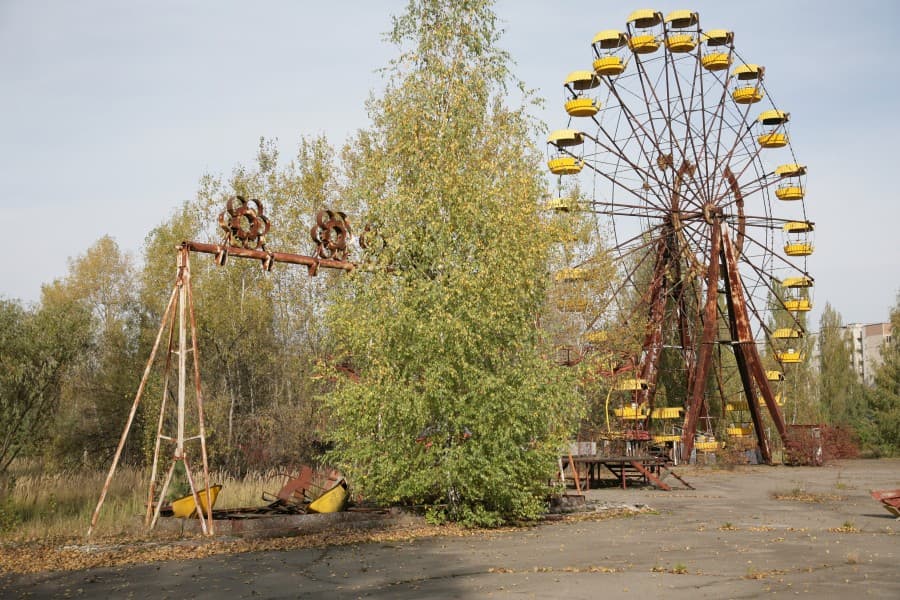
How can you find abandoned castles you can visit legally?
Yes, you can find abandoned castles that are legal to visit, but only when access is explicitly authorized. In practice, that usually means a public heritage site, a ticketed ruin, a guided opening, an event day, or written owner permission. If a castle is merely empty, unguarded, or easy to enter, that does not make the visit legal.
Quick summary
- Most abandoned castles are not automatically legal to enter, even if they appear unused.
- The safest legal options are public ruins, heritage sites, guided tours, and owner-approved visits.
- Reliable verification comes from official tourism pages, municipal notices, owner statements, and curated maps.
- Missing signs do not equal permission. Open gates do not equal permission either.
- A responsible urbex approach protects sites, respects owners, and avoids risky structures.
- MapUrbex helps by focusing on verified locations and preservation-first exploration.
Quick facts
- Legal access usually falls into five categories: public opening, ticketed entry, guided visit, event access, or direct permission.
- The highest-risk assumption is thinking that silence means consent.
- Castles often have added rules on photography, commercial shoots, drones, and after-hours access.
- Protected heritage status can increase legal restrictions, not reduce them.
- Curated research is faster and safer than chasing random coordinates from social media.
Why are most abandoned castles not automatically legal to enter?
Most abandoned castles are not automatically legal to enter because ownership and access rights survive abandonment. A ruin may belong to a municipality, a private family, a trust, a hotel group, or a heritage body. The structure may also be unstable, insured under special rules, or closed while restoration work is underway.
This is why legal urbex starts with status, not appearance. A roofless tower, broken gate, or overgrown path tells you almost nothing about permission.
For a broader explanation of access rules, see Is Urbex Legal? A Clear Guide to Urban Exploration Laws.
Which kinds of abandoned castles are usually legal to visit?
The castles most likely to be visitable legally are the ones with explicit public access or owner-managed access. They are not always fully abandoned in the strict sense, but they often preserve the same atmosphere that draws urbex travelers.
The most common legal categories are:
- Public castle ruins managed by a city, region, or heritage agency
- Privately owned ruins with paid entry during set opening days
- Castles open for guided tours only because of structural risk
- Seasonal heritage openings for festivals, cultural weekends, or restoration fundraising
- Repurposed abandoned estates where only part of the site is accessible legally
If your goal is a legal visit, this is the right mindset: prioritize authorized access over perfect abandonment.
How do you verify that a castle visit is actually legal?
You verify legality by looking for explicit permission from the authority that controls the site. Good verification is documentary, recent, and specific about where visitors may go.
Use this checklist before you travel:
| Source | What to confirm | Reliable outcome |
|---|---|---|
| Official tourism website | Opening days, ticketing, visitor rules | Strong evidence of public access |
| Municipal or heritage page | Ownership, closures, restoration works | Strong evidence of legal status |
| Owner or operator statement | Permission terms, contact method, limits | Strong evidence if current |
| Event listing | Date-specific public opening | Useful for one-off visits |
| Curated map listing | Access type, verification notes, practical filters | Good starting point when maintained |
| Social media post | Exact legal status, current restrictions | Weak evidence unless backed by official source |
A good rule is simple: if you cannot identify who authorizes access, you do not have reliable proof that the visit is legal.
Where should you search first for legal abandoned castles?
Start with sources that have a reason to publish accurate visitor information. Random forums may help you discover names, but they are poor sources for current access rights.
Search in this order:
- Official tourism boards for castle ruins, monuments, and historical routes
- Municipal websites for local heritage listings and public notices
- National or regional heritage databases for monument status and restrictions
- Owner-operated pages for estates, foundations, or preservation groups
- Curated urbex maps that distinguish verified access from rumor
If you want a practical starting point, Browse all urbex maps to compare curated locations by region and access context.
MapUrbex is useful here because the goal is not just to find abandoned castles. The goal is to find places where the legal situation is clearer, the listing is more reliable, and the visit can be planned responsibly.
What red flags mean you should not go?
The main red flags are any signs that access is prohibited, unclear, or unsafe. When one of these appears, the correct decision is to stop and look for a legal alternative.
Do not proceed when you see:
- No-trespassing or private property signs
- Locked barriers, fencing, boarded openings, or obvious anti-entry measures
- Active restoration work or scaffolding
- A site known for collapses, open shafts, or unstable floors
- Conflicting information from old blog posts and newer official notices
- A local reputation for fines, patrols, or owner complaints
Safety matters as much as legality. Some locations are simply not worth the risk, even if people online treat them casually. For a broader safety mindset, read Top 5 Most Dangerous Urbex Places and Why You Should Avoid Them.
How should you prepare for a responsible castle visit?
A responsible visit begins before arrival. You should know the access rules, expected route, weather conditions, and any limitations on photography or equipment.
A practical preparation list includes:
- Saving the official access confirmation or booking email
- Checking daylight hours and weather, especially for remote hilltop ruins
- Wearing stable footwear and avoiding risky climbs for photos
- Bringing water, a charged phone, and a basic first-aid kit
- Respecting barriers, closed wings, and conservation signage
- Leaving nothing behind and taking nothing away
If you are unsure whether to go alone, compare the trade-offs in Solo Urbex or Group Urbex: Pros and Cons for Safer Exploration.
The preservation-first rule is simple: do not move objects, do not force access, and do not publish advice that pushes fragile sites toward damage.
FAQ
Is an abandoned castle automatically public property?
No. A castle can be abandoned in appearance and still remain private property or protected heritage under restricted access.
Can I enter if a gate is open and there is no sign?
No. An open gate or missing sign is not proof of permission. You still need explicit authorization or clearly published public access rules.
Are photos, tripods, and drones always allowed?
No. Many legal sites allow entry but restrict commercial shoots, drones, flash, or tripod use. Check the site rules in advance.
What should I do if a guard, guide, or owner changes the rules on site?
Follow the updated instruction immediately. Permission can be limited by safety, events, weather, or restoration work.
Do guided castle ruins still count as urbex?
For many travelers, yes. If your aim is atmosphere, history, and responsible discovery, a guided or ticketed ruin can offer the experience without the legal risk of trespassing.
Conclusion
The best way to find abandoned castles you can visit legally is to stop treating abandonment as permission. Look for explicit access, current verification, and sites managed with safety and preservation in mind.
That approach is slower than chasing random pins, but it is far more reliable. It protects you, respects the site, and supports the kind of urbex culture worth keeping.
Ready to start with verified leads instead of guesswork?
Access the free urbex map
