 MapUrbex
Looking for a free urbex map in Europe? This beginner-friendly guide explains where to start, how to compare spots, and how to use verified maps responsibly.
Free Urbex Map Europe: Where to Start Exploring Responsibly
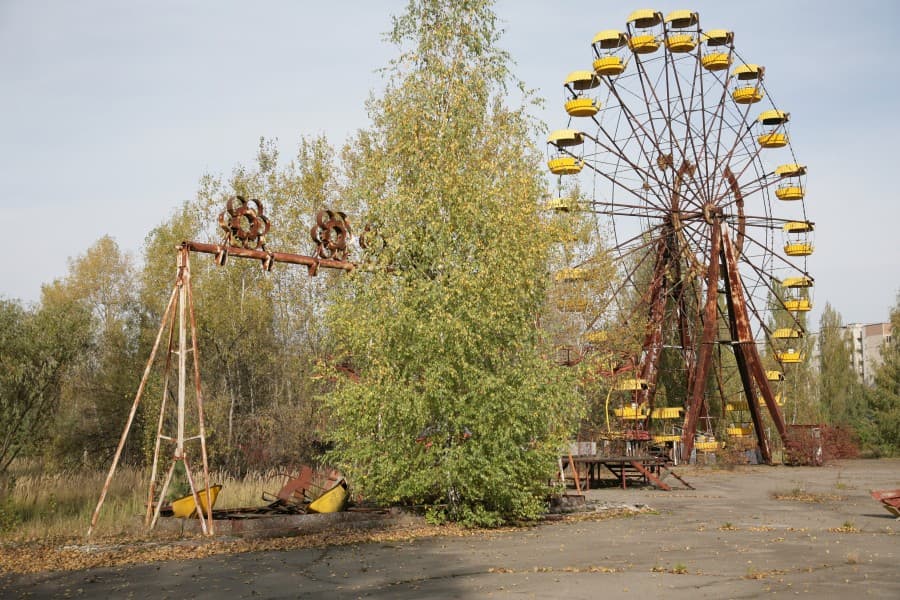
A free urbex map for Europe can save time, reduce guesswork, and help you avoid outdated or risky location leads. For beginners, the best starting point is not a random forum thread. It is a curated map that favors verification, recent updates, and responsible exploration.
This guide explains how to use a Europe urbex map, where to begin if you are new, and how to choose safer, lower-complexity spots. It also explains why preservation-first planning matters more than collecting coordinates.
Quick summary
- A useful free urbex map in Europe should prioritize verified locations and recent status checks.
- Beginners should start with simple, low-risk sites that can be approached in daylight and assessed from legal access points.
- Good planning includes route review, local rules, condition checks, and backup options.
- Not every abandoned place is safe or legal to enter. Access rules still apply, even if a site appears empty.
- MapUrbex is designed around curated maps, responsible urbex, and preservation-first exploration.
What is the best free urbex map in Europe?
The best free urbex map in Europe is one that helps you find verified abandoned places, understand the current status of a location, and plan responsibly before you travel. That is the value of MapUrbex: a curated approach that is more reliable than scattered coordinates, old forum posts, or unchecked social media pins.
If you want a broad overview first, start with Browse all urbex maps. If you want a practical starting point, Access the free urbex map.
Quick facts
- Scope: Europe-wide discovery and trip planning
- Best for: Beginners, road trippers, and photographers who want structure
- Main benefit: Faster filtering of relevant spots by area and travel plan
- What matters most: Verification, recency, access context, and safety judgment
- MapUrbex position: Curated maps, verified locations, preservation-first
| Factor | Why it matters | What to look for |
|---|---|---|
| Verification | Old urbex data ages quickly | Recent updates and curated entries |
| Simplicity | Beginners need low-complexity spots | Easy approach, daylight visit, clear surroundings |
| Safety | Empty does not mean stable | Structural condition, exposure, backup exit |
| Legality | A location being abandoned changes nothing legally | Local rules, visible restrictions, no forced entry |
| Trip fit | Good planning prevents wasted travel | Distance, parking, weather, alternate sites |
Why should beginners use a curated urbex map in Europe?
Beginners should use a curated urbex map in Europe because it reduces common errors. The biggest beginner mistake is assuming that any shared coordinate is still valid, accessible, or safe. In practice, locations change fast.
A curated map helps you compare places before you leave home. That means fewer dead ends, fewer low-quality leads, and better decisions about distance, timing, and difficulty.
It also supports responsible behavior. MapUrbex is built around verified locations and preservation-first use. That matters because urbex should never depend on forced access, vandalism, or reckless entry.
Where should you start urbex in Europe if you are new?
If you are new, start with simple sites on the edge of towns or cities, where visibility is good and the trip can be done in daylight. Avoid isolated industrial complexes, unstable roofs, underground systems, or places that require long approaches.
For first trips, the best spots are often:
- small abandoned buildings with clear exterior visibility
- former public sites that can be assessed from outside
- places near other travel options, so the day is not built around one point of failure
- low-commitment stops that fit into a wider route
A good way to narrow your search is to combine a map with broader destination research. For country-level ideas, see Best Countries in Europe for Urbex: 7 Strong Choices for Urban Exploration. For multi-stop planning, see How to Plan an Urbex Road Trip in Europe.
| Starting option | Why it works for beginners | What to verify first |
|---|---|---|
| Urban fringe locations | Easier logistics and shorter approaches | Parking, neighbors, visibility |
| Former leisure sites | Often simpler to understand from outside | Fencing, posted restrictions, structural decay |
| Rural single-building stops | Lower complexity than large complexes | Road access, weather, isolation |
| Multi-stop road trip days | Lets you skip weak leads | Distance between sites and backup choices |
How can you evaluate urbex spots in Europe before leaving home?
You should evaluate urbex spots in Europe by checking whether the location is still standing, whether the surrounding access has changed, and whether the visit can be planned without pressure. Good research removes surprises. It does not remove risk, but it reduces avoidable mistakes.
Use this checklist:
- confirm the site is still active on a recent map source
- compare several recent visual references when possible
- estimate approach difficulty and travel time
- check for obvious security, redevelopment, or demolition signs
- avoid locations that depend on secrecy, climbing, or forced entry
- prepare an alternate spot nearby
If you want a more detailed method, Urbex Map Europe: How to Find Verified Abandoned Places Safely explains the verification logic in more depth.
How do you explore responsibly and stay on the right side of the law?
You explore responsibly by treating every site as potentially fragile, restricted, and unsafe until proven otherwise. Responsible urbex means observation first, preservation always, and no action that damages a place or bypasses a barrier.
Safety and legal reminder: abandoned does not mean public, legal to enter, or structurally sound. Never trespass, force entry, break locks, or damage a site. If access is restricted or unclear, do not proceed.
Practical responsible habits include:
- prefer daylight over night visits
- go only where local rules and access conditions allow
- tell someone your route and return time
- wear basic protective gear suited to the environment
- leave no trace and do not move objects for photos
- skip any site that feels unstable or actively monitored
What makes a Europe urbex map more useful than random spot lists?
A Europe urbex map is more useful than random spot lists because it adds structure. Lists often give names without context. A map helps you judge distance, density, travel clusters, and whether a site actually fits your trip.
That is especially useful in Europe, where border crossings, local regulations, and travel time can change a plan quickly. A map-based workflow helps you build realistic days instead of chasing isolated points.
FAQ
Where should I start with urbex in Europe?
Start with low-complexity places that can be assessed in daylight and reached without difficult approaches. A curated map is the easiest way to identify those beginner-friendly options.
Are free urbex maps in Europe reliable?
Some are, and some are not. Reliability depends on verification, recency, and curation. A free map is useful when it helps you filter outdated leads instead of simply displaying unchecked points.
What types of urbex spots are best for beginners?
Beginners should favor simple exterior-accessible sites, smaller buildings, and locations near normal travel infrastructure. Very large industrial sites, underground networks, and unstable ruins are poor first choices.
Do I need exact coordinates to plan a first trip?
No. For a first trip, route logic matters more than collecting as many coordinates as possible. Area-level planning, backups, and access judgment are usually more valuable.
How often should I verify a location before visiting?
As close to the trip date as possible. A site can change quickly due to demolition, redevelopment, security changes, or new restrictions.
Conclusion
A free urbex map in Europe is most useful when it helps you start carefully, compare locations realistically, and avoid outdated assumptions. For beginners, the goal is not to reach the most extreme site first. The goal is to plan well, act responsibly, and choose verified places that fit your experience level.
If you want a structured starting point, MapUrbex is built for exactly that approach.
Access the free urbex map
