 MapUrbex
Discover what makes exclusive urbex locations rare, how to research them responsibly, and which types of abandoned places stand out worldwide.
Exclusive Urbex Locations: A Responsible Guide to Rare Abandoned Places
Exclusive urbex locations attract attention because they are rare, fragile, and often poorly documented. They are not just hidden spots. They are usually abandoned places with unusual history, limited public information, or preservation issues that require more care than standard urban exploration.
For responsible explorers, the goal is not to chase secrecy at any cost. The goal is to identify rare abandoned places legally, understand their condition, and avoid sharing them in ways that increase damage, trespassing, or theft.
MapUrbex approaches this topic with a preservation-first mindset. Verified locations, curated maps, and careful research matter more than viral coordinates.
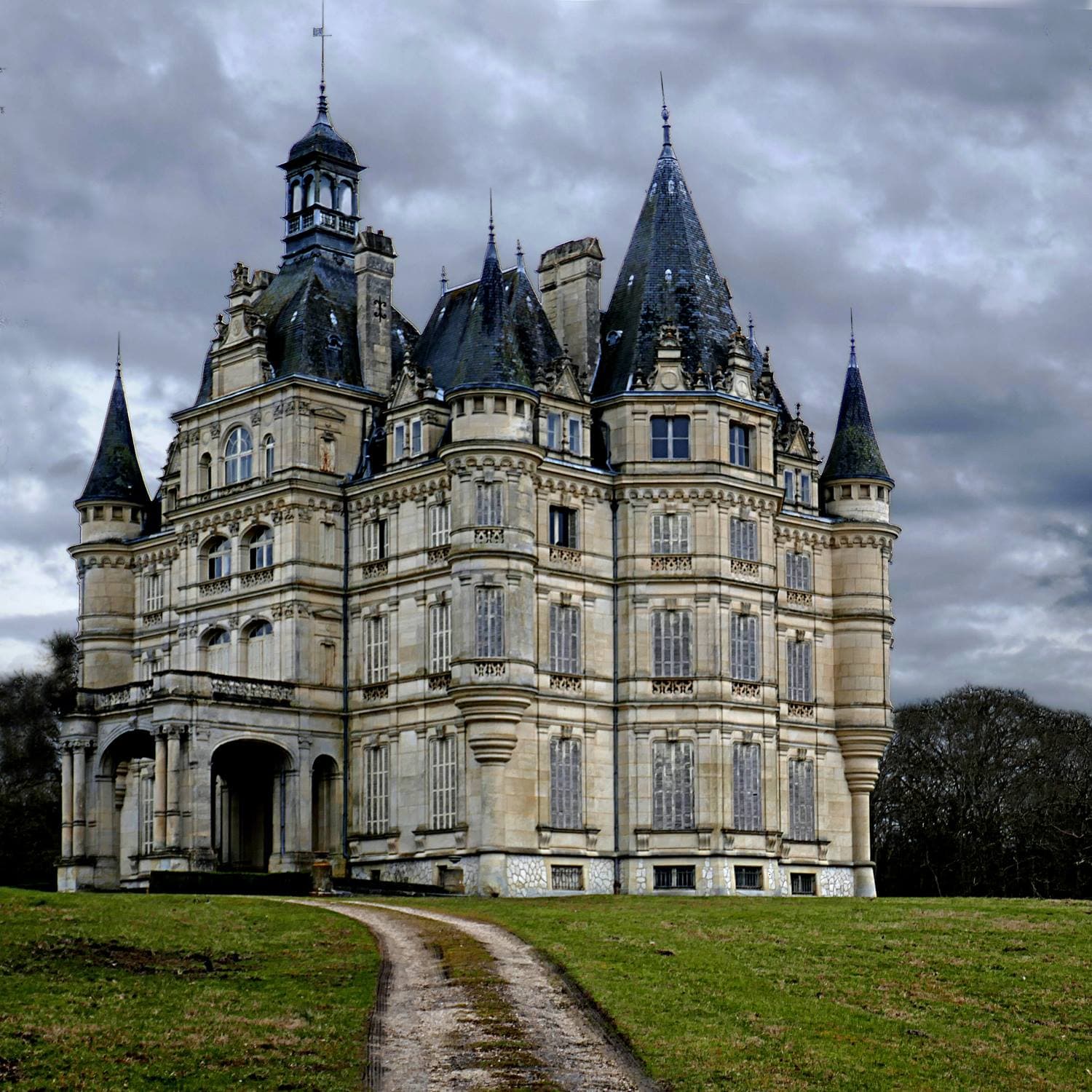
What are exclusive urbex locations?
Exclusive urbex locations are rare abandoned places that stand out for their history, architecture, remoteness, or limited documentation. In practice, the best exclusive urbex spots are not the most secret ones, but the sites researched carefully, visited legally, and shared responsibly through verified sources rather than uncontrolled public pin drops.
Quick summary
- Exclusive urbex locations are usually rare because they are remote, fragile, undocumented, or legally sensitive.
- A good urbex selection prioritizes historical value and preservation, not just novelty.
- Publicly sharing exact coordinates can increase vandalism, theft, and unsafe visits.
- Verified maps are more useful than rumor-based location lists.
- Legal access rules vary widely by country, region, and site owner.
- Responsible urbex starts with research, permission where needed, and non-destructive behavior.
Quick facts
| Aspect | What it means in practice |
|---|---|
| Typical profile | Castles, sanatoria, industrial complexes, military relics, resorts, remote settlements |
| Why they are rare | Isolation, little documentation, restricted access, fast decay, heritage sensitivity |
| Best research method | Cross-check maps, ownership, local law, recent reports, and condition updates |
| Main risks | Trespassing, unstable floors, water damage, asbestos, theft exposure, rescue difficulty |
| Sharing rule | Avoid publishing exact entry details or easy viral directions |
| Best planning tool | Curated, verified maps instead of random social posts |
Why are some abandoned places considered rare?
Rare abandoned places are considered exclusive because they combine scarcity with difficulty of documentation. A site becomes notable when few reliable records exist, when its architecture is unusual, or when its condition changes quickly enough that outdated information becomes misleading.
Some locations are rare because they were never widely photographed. Others are rare because they are geographically isolated, protected by terrain, or legally inaccessible without permission. In all cases, rarity does not automatically make a place appropriate to visit.
That is why experienced explorers separate rarity from recklessness. A flooded power plant, a collapsing manor, or a sealed radar station may be visually striking, but it can also be unsafe, illegal to enter, or too sensitive to publicize openly.
Which exclusive urbex locations stand out worldwide?
The most notable exclusive urbex locations worldwide tend to be places with strong visual identity and limited public exposure. The categories below appear repeatedly in serious urbex selections because they combine historical value, rarity, and research depth.
-
Abandoned castles and manor houses Often found in parts of France, Central Europe, and the UK, these sites are valued for interiors, staircases, chapels, libraries, and estate ruins. They are also highly vulnerable to theft and decay.
-
Closed mountain sanatoria and hospitals These buildings are visually powerful because they mix medical history with remote settings. Weather damage, unstable roofs, and legal restrictions are common.
-
Deserted industrial campuses Large factories, steelworks, textile mills, and chemical plants often offer the deepest historical layers. They also present some of the highest contamination and structural risks.
-
Cold War infrastructure Radar stations, bunkers, missile-related facilities, and communications compounds are among the most researched exclusive urbex spots. Many are fenced, monitored, or unsafe to enter.
-
Remote mining settlements These rare abandoned places can preserve daily life details better than urban ruins. Isolation, weather, and rescue difficulty make them logistically demanding.
-
Maritime ruins and coastal defenses Forts, harbors, dry docks, and sea-facing military structures are especially time-sensitive because erosion accelerates damage.
-
Luxury hotels and leisure resorts Ballrooms, pools, theaters, and lobbies make these sites highly photogenic. They are also common targets for scrappers and unauthorized visitors.
-
Research facilities and observatories Scientific sites can feel exceptionally exclusive because documentation is sparse and public awareness is low. Access rules are often strict.
How can you find exclusive urbex spots responsibly?
You can find exclusive urbex spots responsibly by using verified sources, checking legal context, and refusing to rely on viral rumors. Good research reduces harm to sites and lowers the chance of wasted trips based on outdated or false information.
Start with structured resources instead of random social media trails. These guides are a useful foundation: Best Urbex Maps in the World: Where to Find Verified Locations and How to Find Abandoned Places Responsibly.
A practical research workflow usually includes:
- checking whether the building still exists and in what condition
- identifying ownership or management status when possible
- reviewing local access laws and whether permission is required
- comparing recent reports instead of trusting old photos
- deciding whether an exterior-only visit is the most responsible option
If you want a broader overview of curated resources, you can also Browse all urbex maps.
What makes a location worth adding to a curated urbex selection?
A location deserves inclusion in a curated urbex selection when it offers real documentary value and can be described accurately without creating unnecessary risk. Exclusivity alone is not enough.
MapUrbex-style curation usually depends on five filters:
- verification: the place must be confirmed, not just rumored
- historical interest: the site should have context beyond surface aesthetics
- current relevance: access conditions and physical status must be reasonably up to date
- preservation sensitivity: some places should be described carefully or not promoted broadly at all
- user value: the listing should help people research responsibly, not chase reckless entry
This is why the strongest urbex selection is often smaller than people expect. Quality matters more than volume when rare abandoned places are involved.
What legal and safety issues matter most at exclusive sites?
The main legal and safety issues at exclusive sites are trespassing law, unstable structures, environmental hazards, and emergency access problems. Rare sites often involve more risk, not less.
Key points to keep in mind:
- Never force entry, bypass locks, or enter clearly restricted property.
- Respect local law, private ownership, and active site security.
- Assume floors, staircases, roofs, and basements may be compromised.
- Watch for asbestos, mold, broken glass, shafts, chemicals, and standing water.
- Do not explore alone in remote locations where rescue could be delayed.
- Avoid publishing route details that could expose a fragile site to mass traffic.
Responsible urbex protects both people and places. If a site cannot be approached legally or safely, skipping it is the correct decision.
Which regions are known for exclusive urbex locations?
Several regions are known for exclusive urbex locations, but each has different legal norms, site density, and preservation concerns. The best-known areas are not always the best places to start.
- France and Belgium: strong concentration of manor houses, religious buildings, and industrial ruins, with many sites already heavily exposed online.
- Germany and Central Europe: military relics, factories, sanatoria, and transport infrastructure, often with stricter security and legal sensitivity.
- Italy and the Alps: remote hospitals, villas, border fortifications, and weather-damaged mountain properties.
- Japan: haikyo culture offers a distinct approach focused on atmosphere and impermanence. For context, see Urbex Tokyo: A Responsible Guide to Haikyo and Abandoned Places in Japan.
- North America: large schools, hospitals, theaters, mills, and industrial campuses, often complicated by ownership and redevelopment cycles.
Global demand tends to follow aesthetics, but long-term value comes from documentation quality. A lesser-known site with reliable context is often more useful than a famous ruin with constant damage pressure.
FAQ
Are exclusive urbex locations always secret?
No. Some exclusive urbex locations are well known in broad terms but poorly documented in reliable detail. "Exclusive" often means rare, fragile, or hard to verify rather than completely unknown.
Should exact coordinates be shared publicly?
Usually not. Public coordinates can accelerate vandalism, theft, unsafe visits, and rapid closure. Responsible sharing depends on the site, local law, and preservation risk.
Is a remote site automatically better for urbex?
No. Remoteness may increase rarity, but it also raises logistical, legal, and emergency risks. A legally accessible and well-researched exterior can be more valuable than a dangerous remote interior.
What gear is reasonable for rare abandoned places?
Reasonable gear includes sturdy boots, gloves, weather protection, lighting, charged communication devices, water, and basic first-aid supplies. Specialized gear does not make illegal or unsafe entry acceptable.
Can verified maps really help?
Yes. Verified maps help filter out fake spots, demolished sites, and outdated rumors. They are especially useful when you want a curated view of rare abandoned places without relying on random posts.
Conclusion
Exclusive urbex locations are appealing because they feel rare, not because they should be consumed quickly. The best approach is slow research, legal awareness, and careful documentation.
For anyone building a serious urbex selection, verification matters more than hype. Responsible explorers protect fragile sites by avoiding forced access, limiting harmful exposure, and using curated information instead of rumor chains.
Access the free urbex map
