 MapUrbex
Learn how to find abandoned places using satellite imagery, historical research, community knowledge, and curated urbex maps without relying on guesswork.
How to Find Abandoned Places Responsibly
Finding abandoned places is usually a research process, not a lucky accident. Most real discoveries come from combining map work, local context, historical records, and careful verification.
That matters because many buildings that look empty are still owned, monitored, or partially in use. A responsible approach helps you avoid false leads, reduce risk, and respect preservation-first urbex principles.
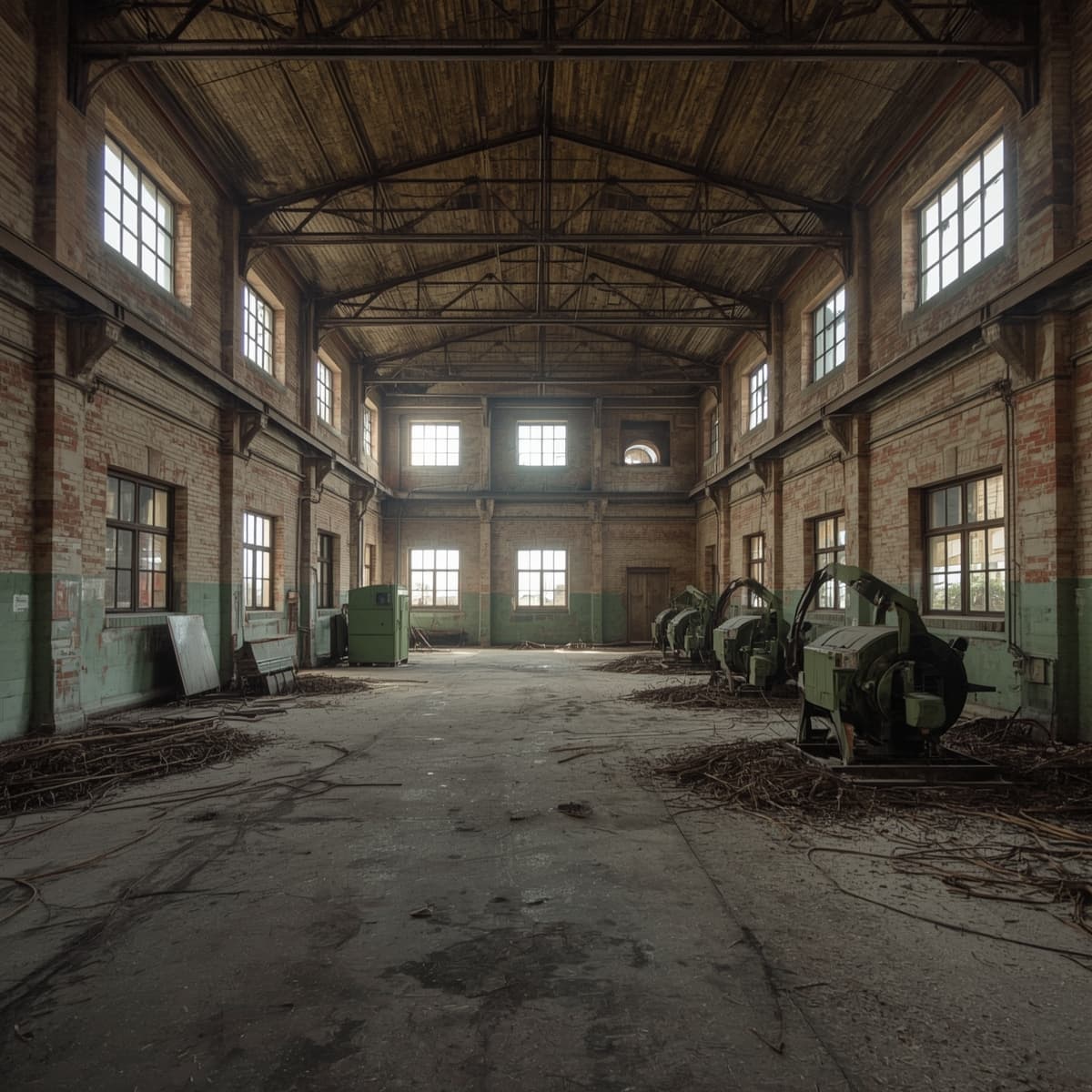
How can you find abandoned places?
You can find abandoned places by combining satellite imagery, historical research, local observation, community knowledge, and curated urbex maps. The key is not just locating buildings that look empty, but verifying that they are genuinely disused, legally sensitive, and safe to approach only from public or permitted access.
Quick summary
- Start with desktop research before you ever travel.
- Compare satellite imagery, historical records, and current local context.
- Treat every lead as unverified until multiple clues match.
- Curated maps save time by filtering weak or outdated results.
- Always check ownership, active use, and obvious hazards.
- Responsible urbex never means trespassing, forced entry, or damage.
Quick facts
- Scope: global guide for beginners and experienced researchers
- Best starting tools: satellite imagery, historical maps, planning context, local archives, curated urbex maps
- Main goal: identify likely abandoned sites and rule out active, private, or misread properties
- Common false positives: shuttered businesses, seasonal properties, storage yards, renovation sites
- MapUrbex approach: verified locations, curated maps, responsible exploration, preservation-first research
- Legal reminder: abandonment does not cancel ownership or access rules
What research methods work best for finding abandoned places?
The most effective way to find abandoned places is to combine several research methods instead of trusting one clue. Satellite imagery shows physical signs, historical research explains why a site may be empty, and curated maps help organize verified leads.
| Method | What it reveals | Main strength | Main limit |
|---|---|---|---|
| Satellite imagery | Roof damage, overgrowth, empty lots, inactive parking | Fast first screening | Can be outdated or misleading |
| Historical research | Former industries, closures, ownership history, local events | Confirms context | Takes more time |
| Street-level observation | Security, access restrictions, nearby activity, real condition | Helps verify current use | Must stay lawful and external |
| Community knowledge | Local memory, known closures, changing status | Adds nuance | Information can be incomplete |
| Curated urbex maps | Structured location lists and planning support | Saves time and reduces noise | Still requires judgment |
1. Satellite imagery and map layers
Satellite imagery is usually the first filter. It helps you spot large sites with visible decay, unused yards, broken roof sections, vegetation growth, or disconnected transport links.
It works best when you compare clues rather than focusing on one dramatic visual detail. An empty parking lot alone means little, but an empty lot, roof collapse, weed growth, and no recent industrial movement together form a stronger signal.
2. Historical research and archives
Historical research is what turns a visual guess into a plausible lead. Old company names, factory closures, hospital relocations, rail line abandonment, or newspaper reports often explain why a site stopped being used.
This step is especially useful for large industrial or institutional sites. Many abandoned places are not random ruins. They are former mills, schools, military assets, hotels, or transport facilities with a documented local history.
3. Street-level clues and local context
Street-level observation helps confirm whether a place is actually inactive. Signs such as sealed entrances, long-term neglect, missing windows, faded branding, and no visible maintenance can support your research.
But this should remain external and lawful. Responsible research means observing from public space, not testing doors, crossing fences, or assuming silence equals permission.
4. Community knowledge and responsible networking
Community knowledge often fills gaps that maps cannot. Locals may know that a hospital wing closed, a factory moved production, or a hotel has sat empty for years even though it still appears intact online.
That said, raw location sharing can also spread outdated, sensitive, or risky information. Good urbex research values discretion, preservation, and accuracy over chasing exact addresses at any cost.
5. Curated urbex maps
Curated urbex maps are useful because they organize research into a structured system. Instead of starting from zero, you can review places that have already been filtered for relevance, geography, and practical planning.
If you want a broad starting point, Browse all urbex maps. For more detail on this approach, read Urbex map: how curated maps help plan urban exploration routes and Best Urbex Maps in the World: Where to Find Verified Locations.
How do you use satellite imagery without guessing?
The best way to use satellite imagery is to look for patterns of disuse, not cinematic ruins. Real abandoned sites often appear ordinary from above, so the goal is to identify multiple small indicators that point in the same direction.
Useful signs include:
- overgrown lots or roads no longer maintained
- roof discoloration, collapse, or patchwork repair
- empty loading bays at former industrial buildings
- rail sidings, docks, or service roads with no active connection
- parking areas with no vehicle turnover
- site layouts that match old industrial, medical, or military functions
Compare current imagery with older views when possible. If a complex has been deteriorating for years, has lost vehicles, and shows no reinvestment, the probability of abandonment is much higher.
Satellite research is strongest when paired with context. A large warehouse on the edge of a port may look empty on one date and be active the next week. Research in urban exploration depends on verification, not assumption.
Why is historical research often what confirms a real abandoned site?
Historical research confirms a site because it explains the story behind the structure. When you can tie a building to a closure, relocation, bankruptcy, redevelopment failure, or infrastructure change, the site becomes more than a visual suspicion.
Good sources include old local news reports, business directories, planning notices, public archives, transport history, and regional memory. Even a short article about a factory shutdown can help explain why a complex has remained empty for a decade.
Historical context also helps you understand why certain regions have clusters of abandoned sites. Former mining belts, shrinking industrial cities, or resort areas with seasonal collapse often leave clear patterns. Regional guides such as Urbex Tokyo: A Responsible Guide to Haikyo and Abandoned Places in Japan show how local history shapes what explorers actually find.
How do curated urbex maps help compared with random searching?
Curated urbex maps help by reducing noise. Instead of manually screening hundreds of weak leads, you start from a collection designed around abandoned or historically significant locations that are relevant to exploration planning.
That does not replace personal judgment. A map can point you toward a promising area, but you still need to check current conditions, access rules, safety, and whether the place remains worth documenting.
MapUrbex uses a preservation-first approach: verified locations where possible, responsible planning, and less dependence on rumor. If you want to compare options, start with Browse all urbex maps and then read Best Urbex Maps in the World: Where to Find Verified Locations.
Access the free urbex map
What legal and safety checks should you do before any visit?
Before any visit, you should assume the site is private, potentially unsafe, and possibly still active in part. Responsible urbex begins with legal awareness and risk reduction, not with entry.
Use this checklist:
- confirm whether the property may still be operating, stored, or monitored
- look for signs of redevelopment, temporary occupation, or restricted infrastructure
- avoid any forced access, fence crossing, or entry without permission
- assess obvious hazards such as unstable floors, fire damage, chemicals, shafts, or water
- keep location handling discreet to reduce vandalism and copycat damage
- leave the site exactly as found if access is lawful and authorized
Abandoned does not mean ownerless, open, or safe. The best research habit is to stop before the legal or physical risk starts.
What mistakes cause false positives when people try to find urbex locations?
Most false positives come from reading one clue too confidently. A building can look empty online and still be occupied, under renovation, used for storage, or visited only at irregular intervals.
Common mistakes include:
- treating boarded windows as proof of abandonment
- assuming overgrowth means a property is unused
- trusting a single old forum post or video
- ignoring regional land use and industrial schedules
- confusing derelict appearance with legal access
- sharing unverified locations too quickly
A better method is simple: if the map view, the history, and the present-day context do not agree, the lead is not confirmed.
FAQ
Is satellite imagery enough to find abandoned places?
No. Satellite imagery is useful for screening, but it rarely confirms abandonment by itself. It should be combined with historical research, local context, and current verification.
How do people find urbex locations without asking for exact addresses?
They usually build a research process instead of collecting dropped pins. That process includes map reading, archives, local history, and curated tools. This approach is slower, but it produces better and more responsible results.
Is it legal to enter an abandoned building?
Not automatically. Ownership and access restrictions usually still apply even when a place is clearly abandoned. If you do not have permission, you should not enter.
Can a curated map replace your own field judgment?
No. A curated map saves time and improves planning, but conditions change. Every site still needs current legal, practical, and safety assessment.
What should you record during urban exploration research?
Record the site type, visible condition, historical clues, date of observation, and reasons you think it may be disused. Also note uncertainty. Good research separates confirmed facts from assumptions.
Conclusion
If you want to know how to find abandoned places, the short answer is research discipline. The strongest leads come from combining satellite imagery, historical research, local context, and curated mapping rather than chasing rumors or cinematic ruins.
That approach is also the most responsible one. It helps protect locations, reduces legal and physical risk, and supports better documentation of places that are genuinely worth understanding.
Access the free urbex map
