 MapUrbex
Learn how to choose a cheap urbex map without paying for obsolete pins, closed sites, or unreliable data.
Cheap Urbex Map: How to Avoid Outdated Maps
A cheap urbex map can save money, but only if the information is still usable. Many low-cost maps look attractive at checkout and become expensive later through wasted trips, dead pins, and locations that have already been demolished, secured, or converted.
The core question is not only price. It is update quality. A budget-friendly map is useful when it is curated, checked regularly, and built for responsible exploration rather than mass dumping old coordinates.
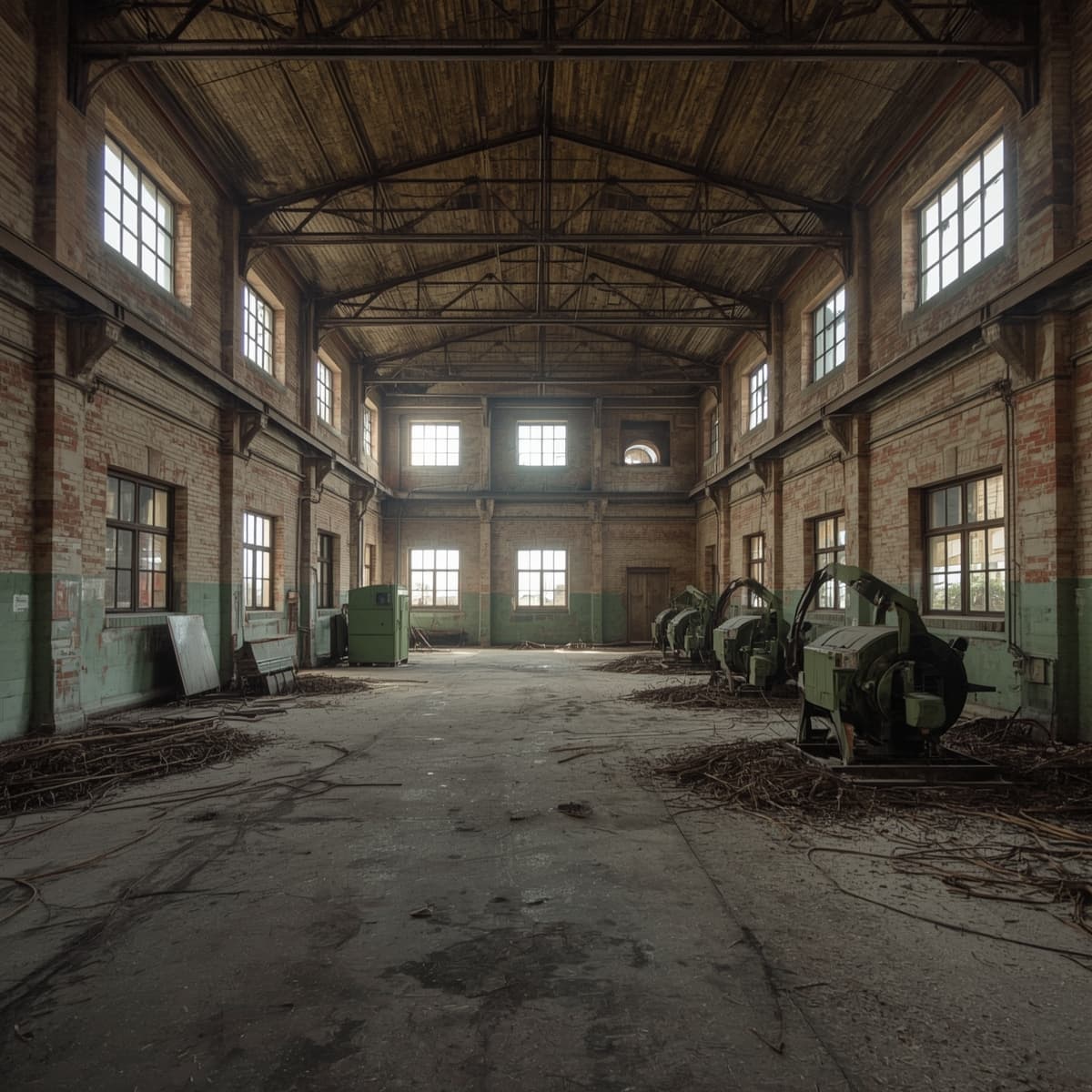
What makes a cheap urbex map a smart choice?
A cheap urbex map is a smart choice only when low price does not mean low maintenance. The best affordable option is a curated map with recent verification, status notes, and regular updates. If a map is cheap because it was never reviewed again, it is usually worse value than a slightly pricier map that stays current.
Quick summary
- A cheap urbex map is only worth buying if it is updated often.
- Outdated pins create wasted travel, false expectations, and higher safety risk.
- Reliable urbex maps show recent checks, status changes, and clear curation.
- A free sample map is useful for testing quality before paying.
- Verified locations are more valuable than a larger but stale database.
- Responsible urbex means respecting local law, ownership, and site preservation.
Quick facts
- Main problem: many budget maps are sold once and never updated.
- Most common failure: locations are sealed, demolished, or repurposed.
- Best quality signal: recent verification or visible update process.
- Best value signal: fewer pins, but better status accuracy.
- Legal reminder: a mapped location is not automatic permission to enter.
- Preservation rule: never force access, damage property, or publicize vulnerable sites carelessly.
Why do cheap urbex maps become obsolete so fast?
Cheap urbex maps become obsolete fast because abandoned places change quickly while many sellers do not maintain their data. Demolition, redevelopment, fencing, alarms, security patrols, and local exposure can change a site within weeks or months.
This is especially common with maps built from old forum posts, recycled social media content, or scraped lists. The seller may have hundreds of pins, but quantity hides decay in the dataset.
A map also becomes obsolete when it lacks status categories. A coordinate alone is not enough. Explorers need to know whether a place is still standing, visibly active, heavily secured, or reported as inaccessible.
How can you spot an outdated urbex map before paying?
You can often spot an outdated urbex map by looking for missing proof of maintenance. If the product page focuses only on pin count and secrecy, caution is justified.
Check these signals before you buy:
- No mention of update frequency
- No explanation of how locations are verified
- No status notes on accessibility or recent changes
- Very large global databases sold at very low prices
- No sample view, free map, or transparent preview
- No language about responsible use or preservation
A reliable seller should be able to explain how locations enter the map, how they are reviewed, and what happens when a site changes. If that process is absent, the map may already be obsolete.
Which features define reliable urbex maps?
Reliable urbex maps are defined by curation, verification, and clarity. The key feature is not simply more locations. It is whether the information helps you make better decisions before travel.
| Feature | Why it matters | Red flag |
|---|---|---|
| Recent verification | Reduces dead trips and stale pins | No review date or change history |
| Status notes | Shows whether a site is active, sealed, or uncertain | Coordinates only |
| Curated selection | Filters noise and duplicate spots | Massive unfiltered lists |
| Responsible framing | Encourages legal awareness and preservation | Sensational language about easy access |
| Transparent methodology | Explains where data comes from and how it is checked | Vague promises |
| Ongoing maintenance | Keeps value after purchase | One-time upload with no follow-up |
In practice, reliable urbex maps tend to look smaller and cleaner than unreliable ones. That is a good sign. Precision usually beats bulk.
Is a free map or a paid map better value?
A free map is better for testing quality, while a paid map is better only if it adds verified depth and ongoing updates. The right choice depends on whether you need basic discovery or a maintained research tool.
A free map lets you evaluate curation style before committing. You can start with Access the free urbex map to see whether the structure matches your needs.
A paid map makes sense when it offers clear added value such as fresher verification, better filtering, regional depth, or status notes that reduce wasted travel. If you want to compare broader options, you can Browse all urbex maps.
The main rule is simple: do not pay for volume alone. Pay for accuracy, review, and maintenance.
How does MapUrbex keep an affordable urbex map up to date?
MapUrbex keeps an affordable urbex map up to date through curation, verification, and a preservation-first approach. The goal is not to publish every rumored pin. The goal is to maintain useful location data that supports responsible exploration.
That means locations are treated as living entries, not static coordinates. When a place changes status, the map should reflect that change. This is what separates a curated map from a disposable list.
MapUrbex also frames exploration responsibly. A verified location is not a promise of legal access, and a mapped place should never be approached through trespass, forced entry, or vandalism.
For regional context, readers often continue with Urbex Map Europe: How to Find Verified Abandoned Places Safely, How to Find Secret Urbex Locations: Real Methods That Work, or Urbex London Guide: How to Explore Abandoned Places in London Responsibly.
How should you use an urbex map responsibly?
You should use an urbex map as a research tool, not as a shortcut to risky or unlawful behavior. The responsible approach is to verify local conditions, respect ownership, and leave sites exactly as found.
Good practice includes:
- Checking whether a site is legally accessible
- Avoiding forced access, climbing hazards, and unstable structures
- Not sharing sensitive locations carelessly
- Respecting neighbors, workers, and active redevelopment zones
- Leaving no trace and taking nothing
A map can improve planning, but it does not replace judgment. Safety, legality, and preservation always come first.
FAQ
How often should an urbex map be updated?
A useful urbex map should be updated continuously or at least reviewed regularly. High-turnover urban sites can change in a matter of weeks. If a map has no visible review process, its value drops quickly.
Why are so many abandoned places missing from cheap maps?
Many cheap maps exclude strong locations because verification takes time. Sellers who compete only on price often rely on recycled public data instead of field reports, community review, or active maintenance.
Can a low-price urbex map still be reliable?
Yes, a low-price urbex map can still be reliable if the dataset is curated and maintained. Low cost is not the problem. Lack of verification is the problem.
What should you check before visiting a pinned location?
Check current legal status, recent site activity, redevelopment signs, fencing, weather, and structural risk. Also remember that a coordinate does not grant permission to enter.
Are verified locations always legally accessible?
No. Verification means the location data has been reviewed, not that access is automatically lawful. Always follow local law, posted restrictions, and property boundaries.
Conclusion
The best cheap urbex map is not the one with the lowest sticker price. It is the one that still saves time after purchase. In urbex, outdated information is often more expensive than a modest subscription or a smaller curated map.
If you want an urbex map that emphasizes verified locations, responsible exploration, and practical value, start with a free benchmark first.
Access the free urbex map
