 MapUrbex
A practical guide to the Burgundy–Franche-Comte urbex map, with 7 common abandoned place types around Dijon and Besancon, safety rules, and planning tips.
Burgundy–Franche-Comte Urbex Map: 7 Abandoned Place Types Around Dijon and Besancon
If you are looking for a Burgundy–Franche-Comte urbex map, the main goal is usually simple: find relevant abandoned places without wasting time on dead leads, fake coordinates, or unsafe tips.
That is especially true around Dijon and Besancon, where search demand is high but reliable public information is often fragmented. A curated map is more useful than random forum posts because it helps you compare areas, filter location types, and plan responsibly.
This guide focuses on discovery and trip planning. It does not publish entry points, forced-access advice, or sensitive details.
What is the best urbex map for Burgundy–Franche-Comte?
The best urbex map for Burgundy–Franche-Comte is a curated map with verified listings, city-level context, and regular updates. For most users, that is more helpful than scattered coordinates because it shows where abandoned places are concentrated around Dijon and Besancon while keeping a preservation-first approach and avoiding risky access details.
Quick summary
- The Burgundy–Franche-Comte urbex map is most useful for regional trip planning, not for publishing sensitive access points.
- Dijon and Besancon are the main search hubs for abandoned places in the region.
- The most common location types include hospitals, factories, rail sites, farms, schools, hotels, and workshops.
- A curated map reduces fake leads and helps compare urban, suburban, and rural options.
- Responsible urbex means no trespassing, no forced entry, no theft, and no damage.
- MapUrbex prioritizes verified locations, preservation, and practical filtering.
Quick facts
| Fact | Details |
|---|---|
| Region | Burgundy–Franche-Comte |
| Main urbex hubs | Dijon, Besancon |
| Main use case | Finding and comparing abandoned places by area |
| Common place types | Hospitals, factories, rail sites, farms, schools, hotels, depots |
| Best research method | Curated map plus route and safety planning |
| Safety reminder | Never trespass, force entry, or damage a site |
What does the Burgundy–Franche-Comte urbex map cover?
A Burgundy–Franche-Comte urbex map covers the region at a practical planning level: cities, surrounding belts, and rural corridors where abandoned places are commonly searched. It helps users start with the right area before deciding whether a trip from Dijon, Besancon, or another base city is worth the drive.
In practice, a good regional map is not only a pinboard. It also helps sort locations by type, access context, and travel logic. That matters in a large region with mixed urban centers, industrial history, and scattered rural sites.
If you want a wider overview, you can Browse all urbex maps. For a region-specific overview, see Burgundy–Franche-Comté Urbex Map: Best Abandoned Places in the Region.
Which abandoned place types are most searched around Dijon and Besancon?
Around Dijon and Besancon, the most searched abandoned place types are former medical buildings, industrial sites, rail infrastructure, agricultural properties, schools, hospitality buildings, and workshops. These categories appear often because they combine regional history, urban edges, and changing land use.
Here are the seven most common categories to expect on a Burgundy–Franche-Comte urbex map:
-
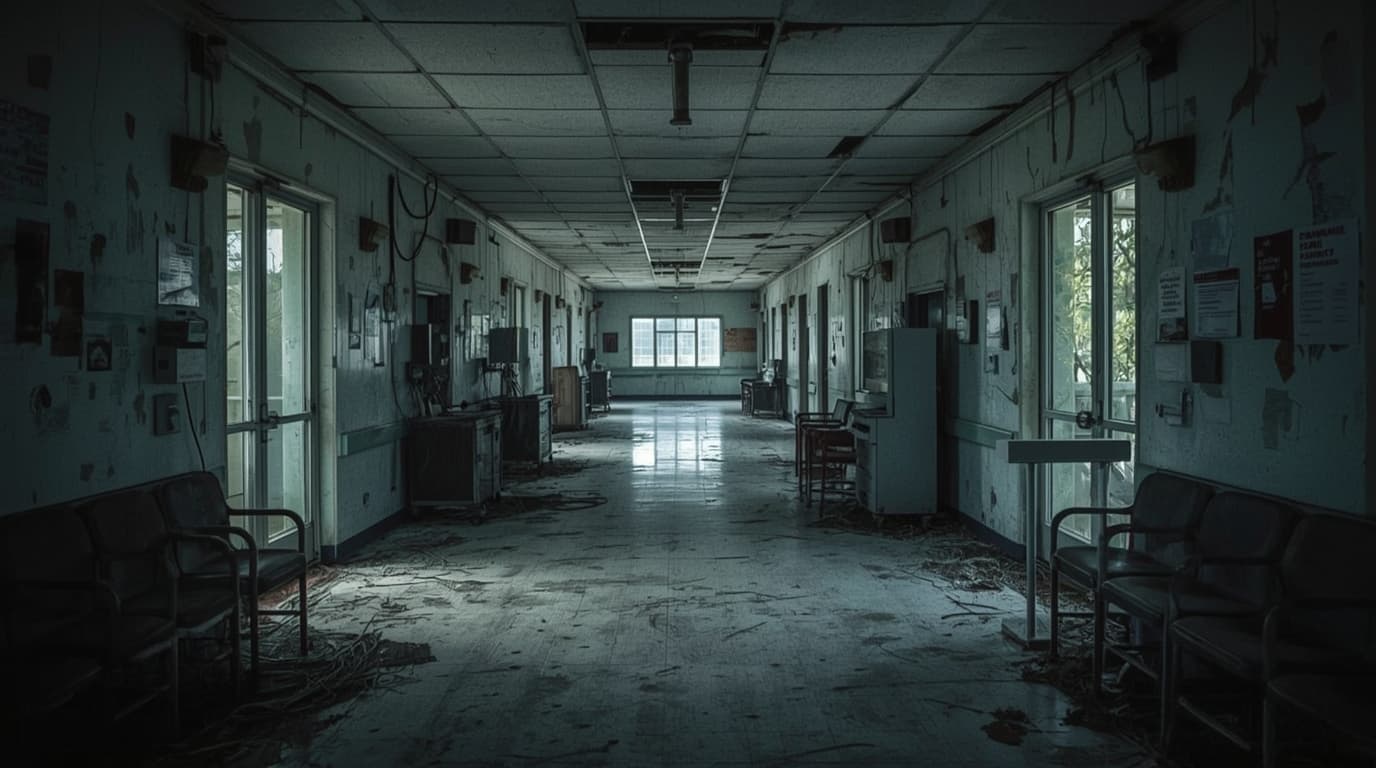
Abandoned hospital corridors and care buildings Medical sites are visually striking, but they can also be unstable and sensitive. They should be approached only from a legal and safety-first research perspective.
-
Former factories and industrial halls This is one of the most common search patterns for both urbex Dijon and urbex Besancon.
-
Disused rail buildings and service structures Old rail-related sites often attract interest because of their architecture and regional transport history.
-
Empty farm estates and rural outbuildings Burgundy–Franche-Comte has many rural zones, so agricultural abandonment remains a frequent part of map research.
-
Closed schools or training facilities These places are often searched for their layout, signage, and institutional atmosphere.
-
Vacant hotels, spa buildings, or guest properties Hospitality sites are less common than factories but still important in regional searches.
-
Depots, garages, and workshops Smaller technical buildings are often overlooked, yet they appear regularly in abandoned places research around the region.
Availability changes quickly. A place may be renovated, demolished, secured, or reclassified at any time.
How do Dijon and Besancon differ for urbex research?
Dijon and Besancon differ mainly in search patterns and trip structure. Dijon research often starts with larger peri-urban zones and road access, while Besancon research more often combines compact urban fabric with surrounding relief and smaller industrial pockets.
For users searching terms like abandoned places map Dijon, the priority is often efficiency: what can be reached in one outing, and what area still has enough density to justify the trip. For users searching urbex spots Besancon, the comparison is often more local and terrain-aware.
That is why a regional map helps. It lets you compare cities without assuming that every abandoned site is equal in scale, condition, or travel value.
Why use a curated map instead of public coordinates?
A curated map is better than public coordinates because public coordinates age badly, spread fast, and often remove all context. In urbex, context matters as much as the location itself.
A good map helps you answer basic questions before leaving home:
- Is the place still relevant?
- Is the surrounding area worth the trip?
- Does the region offer several options on the same route?
- Has the site type changed or become too exposed?
This is also a preservation issue. Publishing exact access details can accelerate vandalism, theft, and closure. MapUrbex takes the opposite approach: verified locations, filtered research, and responsible exploration planning.
If you are new to this process, read How to Start Urbex: A Beginner's Guide to Urban Exploration and How to Find Abandoned Places with Google Maps.
What rules matter most before visiting abandoned places in the region?
The most important rules are legal access, personal safety, and site preservation. No map removes those obligations.
Keep these principles in mind:
- Never trespass on private property.
- Never force doors, cut fences, or bypass locks.
- Never take objects or damage interiors.
- Avoid unstable floors, asbestos risks, broken glass, and shafts.
- Do not explore alone in remote areas.
- Respect nearby residents and do not reveal sensitive entry information publicly.
A useful urbex map supports planning. It is not a permission slip.
FAQ
Is there a free urbex map for Burgundy–Franche-Comte?
Yes. A free urbex map is useful for getting started, comparing areas, and understanding the regional spread before choosing a deeper route.
Are Dijon and Besancon good starting cities for urbex?
Yes. Both cities are practical bases because they connect well to broader regional searches. Dijon is often used for efficient road-based planning, while Besancon works well for more local comparative searches.
Does MapUrbex publish exact entry points?
No. MapUrbex is preservation-first and does not encourage trespassing, forced access, or the spread of sensitive access details.
How often do abandoned locations change status?
Very often. Abandoned places can be demolished, renovated, secured, monitored, or sold with little notice. That is why verified and curated map data is more useful than old coordinates.
Conclusion
The Burgundy–Franche-Comte urbex map is most valuable as a planning tool. It helps you compare Dijon, Besancon, and the wider region without relying on unreliable posts or exposing fragile sites.
For most users, the best method is simple: start with a curated map, filter by area and site type, and keep legal and safety limits clear at every step.
Access the free urbex map
