 MapUrbex
Explore the best abandoned places in Burgundy–Franche-Comté with a verified urbex map. Learn which areas, site types, and research methods matter most.
Burgundy–Franche-Comté Urbex Map: Best Abandoned Places in the Region
Burgundy–Franche-Comté is one of the most varied French regions for urbex research. Old industrial valleys, military belts, rail heritage, mountain institutions, and declining rural properties create a wide mix of abandoned places across the region.
A good Burgundy–Franche-Comté urbex map helps separate real leads from outdated rumors. That matters in a large region where many sites are sealed, reused, demolished, or unsafe.
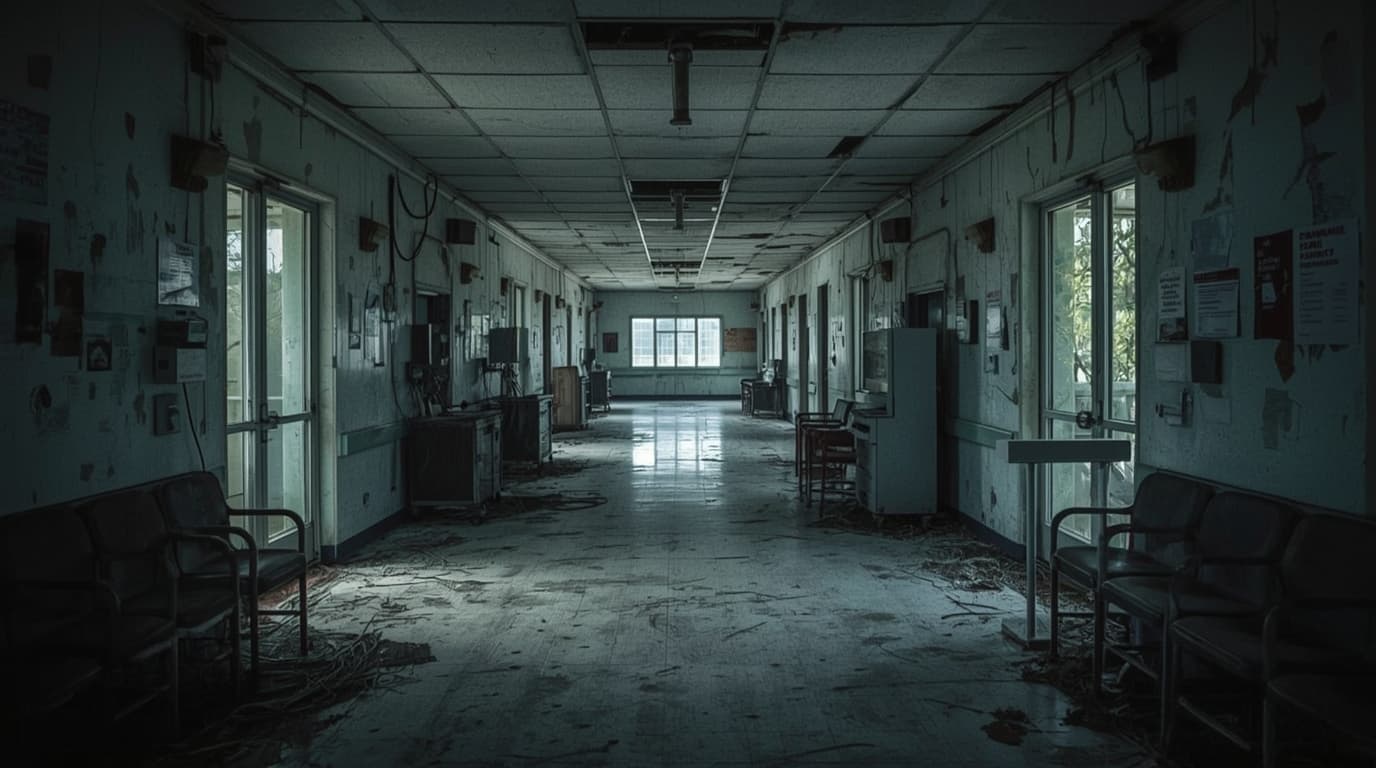
What does a Burgundy–Franche-Comté urbex map help you find?
A Burgundy–Franche-Comté urbex map helps you identify the region's most credible abandoned places, especially former forts, industrial facilities, rail sites, sanatoriums, and rural institutions. The best results usually come from focusing on historic industrial corridors and older military or medical landscapes, then checking current access conditions, safety, and legal status before any trip.
Quick summary
- Burgundy–Franche-Comté stands out for military heritage, industrial decline, rail infrastructure, and isolated rural institutions.
- The strongest urbex zones are usually around Besançon, the Jura and Haut-Doubs mountain belt, Saône-et-Loire, Belfort-Montbéliard, Nièvre, and Yonne.
- A curated Burgundy–Franche-Comté urbex map saves time by filtering outdated, demolished, or inaccessible leads.
- Common site types include forts, factories, depots, sanatoriums, schools, convents, and manor houses.
- Responsible urbex means no forced entry, no theft, no vandalism, and no public release of sensitive access details.
- MapUrbex prioritizes verified locations, responsible research, and preservation-first exploration.
Quick facts
- Region: Eastern-central France
- Best known urbex contexts: military architecture, heavy industry, mining heritage, rail infrastructure, rural vacancy
- Typical building types: forts, hospitals, workshops, schools, warehouses, religious houses, estates
- Best research method: combine a curated map with archives, satellite review, and local context
- Main risk factors: structural collapse, sealed entries, asbestos, unstable floors, isolated terrain
- Legal reminder: only visit where access is lawful and safe; never trespass or force entry
Why does Burgundy–Franche-Comté stand out for urbex?
Burgundy–Franche-Comté stands out for urbex because it combines several abandonment patterns in one region. It has former industrial towns, a dense military legacy, mountain medical sites, and large rural areas where schools, farms, and institutions were left behind.
This diversity matters because the region is not limited to one type of site. A single road trip can cross fortified hills, closed workshops, empty boarding facilities, and small village properties that reflect long-term demographic and economic change.
For a broader view of the country, Browse all urbex maps. If you are new to location research, How to Find Real Abandoned Places Near You in 2026 (Without Wasting Time) explains a reliable workflow.
Which areas usually contain the best abandoned places in Burgundy–Franche-Comté?
The best abandoned places in Burgundy–Franche-Comté are usually concentrated in areas shaped by military infrastructure, mining and metallurgy, rail transport, or rural decline. In practice, researchers often start with the Besançon fort belt, the Jura and Haut-Doubs mountain zone, Saône-et-Loire's industrial corridor, and the countryside of Nièvre and Yonne.
These areas are useful because they produce repeatable patterns. When a territory has old barracks, workshops, branch rail lines, sanatoriums, or shrinking villages, it tends to generate multiple abandoned leads instead of a single isolated ruin.
| Area | Typical abandoned sites | Why it matters |
|---|---|---|
| Besançon and the Doubs fort belt | Forts, barracks, tunnels, depots | Strong military legacy and defensive architecture |
| Jura and Haut-Doubs | Sanatoriums, holiday centers, institutions | Isolated mountain settings and medical history |
| Saône-et-Loire | Factories, warehouses, workshops, rail remains | Industrial and mining heritage |
| Nièvre and Yonne | Schools, manor houses, convents, farms | Rural depopulation and scattered vacancy |
| Belfort-Montbéliard axis | Industrial buildings, transport sites, worker facilities | Long manufacturing and logistics history |
Access the free urbex map
Which abandoned places stand out the most on a Burgundy–Franche-Comté urbex map?
The most interesting abandoned places on a Burgundy–Franche-Comté urbex map are usually the ones tied to the region's strongest historical layers: military defense, industrial production, rail transport, healthcare, and rural religious or educational life. These categories are more reliable than chasing random rumors because they follow known regional patterns.
Below are the site types and geographic clusters that most often produce strong urbex leads in the region.
1. Former forts around Besançon and the Doubs hills
The ring of forts around Besançon is one of the clearest urbex themes in the region. These sites attract attention because they combine military history, underground sections, storage rooms, earthworks, and commanding positions over the surrounding landscape.
Many of these structures were designed for defense rather than comfort, which means their layouts are very different from abandoned factories or hospitals. Research also matters more here: some forts are protected, reused, fenced, or managed, so a map alone is not enough without legal and on-site status checks.
2. Old sanatoriums and medical estates in the Jura and Haut-Doubs
The Jura and Haut-Doubs are especially known for isolated institutional buildings. Former medical establishments, convalescent homes, and holiday centers appear in these mountain areas because climate and altitude once shaped health policies and long-stay care.
These sites are visually striking, but they are also among the most sensitive. Many contain fragile interiors, dangerous floors, sealed wings, or heavy weather damage. For responsible urbex, the right approach is documentation and verification, not reckless entry or public sharing of access points.
3. Industrial remains in Saône-et-Loire
Saône-et-Loire stands out because the region's industrial story left behind factories, workshops, storage buildings, and worker landscapes. Former mining and metallurgical zones around towns such as Montceau-les-Mines and Le Creusot are especially important when building a Burgundy–Franche-Comté urbex map.
Industrial sites often look easy from the outside, but they can be the most deceptive category. Roof failure, unstable mezzanines, pits, chemicals, and scrap activity create real danger. A verified map helps distinguish meaningful leads from sites that are demolished, still active, or too risky.
4. Rail heritage sites across Yonne and Saône-et-Loire
Disused stations, depots, signal buildings, and maintenance yards are another strong pattern across the region. Rail abandonment matters for urbex because even a small line can leave behind multiple structures: platform buildings, warehouses, workshops, level crossing houses, and technical rooms.
These places are useful research anchors because old maps, aerial imagery, and transport archives often line up well. If you want a stronger method, read Tools to Find Abandoned Places: Best Urbex Research Tools and Maps before planning a route.
5. Rural schools, convents, and manor houses in Nièvre and Yonne
Nièvre and Yonne often produce a quieter kind of abandoned place. Instead of large industrial shells, researchers find closed schools, small religious houses, farm complexes, and country properties affected by depopulation or ownership transitions.
This category is less spectacular on social media, but often more representative of the region. It shows how abandonment in Burgundy–Franche-Comté is not only about industry. It is also about changing rural life, shrinking services, and properties left without long-term reuse.
How should you search urbex spots in Burgundy–Franche-Comté responsibly?
You should search urbex spots in Burgundy–Franche-Comté by combining verified mapping, historical research, and legal caution. The safest method is to treat every lead as provisional until you confirm that the building still exists, that it is not occupied or protected, and that access would be lawful.
That approach saves time and reduces harm. Random coordinates shared online are often outdated, fake, or deliberately vague. A curated platform is more useful because it reduces noise and favors consistency.
MapUrbex is built for that kind of research. You can start with Browse all urbex maps or Access the free urbex map. If you want a region-first workflow, Urbex Near Me in 2026: How to Find Real Abandoned Places Without Wasting Time shows how to sort good leads from low-quality ones.
What makes a curated Burgundy–Franche-Comté urbex map better than random lists?
A curated Burgundy–Franche-Comté urbex map is better than a random list because it gives structure, context, and verification. Instead of treating every rumor equally, it helps you focus on locations that match known abandonment patterns and can be reviewed against current conditions.
This matters in a region with long distances and mixed terrain. A poor lead can cost hours of driving and still end at a demolition site, a converted property, or a place with serious safety issues. A good map does not promise easy access. It helps you plan research more intelligently.
It also supports preservation-first urbex. Sharing exact entry tactics or unsecured access points can damage fragile places and accelerate closures. MapUrbex favors responsible discovery, not exposure.
FAQ
Is urban exploration legal in Burgundy–Franche-Comté?
Urban exploration is not automatically legal in Burgundy–Franche-Comté. Abandoned does not mean public, and many sites remain private, protected, monitored, or dangerous. Always check ownership, restrictions, and local conditions before considering any visit.
What kinds of abandoned places are most common in the region?
The most common patterns are former forts, industrial buildings, rail sites, medical institutions, and rural public or religious properties. The mix changes by department. Doubs and Jura often lean toward military and mountain institutions, while Saône-et-Loire and the Belfort-Montbéliard axis show stronger industrial layers.
When is the best time to research abandoned places in Burgundy–Franche-Comté?
Autumn and winter can help with visibility because vegetation is lighter, especially in rural sectors. Mountain areas, however, become more difficult in bad weather. Whatever the season, desk research should come before travel.
Why use a map instead of searching social media?
Social media is fast, but it is unreliable as a research base. Posts are often old, vague, or focused on aesthetics rather than current status, safety, or legality. A curated map is better for filtering, comparison, and route planning.
Should exact access points be shared publicly?
In most cases, no. Publicly sharing precise access details can lead to vandalism, theft, and rapid site closure. Responsible urbex protects places by limiting sensitive information and prioritizing preservation.
Conclusion
A Burgundy–Franche-Comté urbex map is most useful when it reflects the region's real historical patterns. The strongest leads usually come from military belts, industrial corridors, rail infrastructure, mountain institutions, and rural properties shaped by long-term decline.
That is why a verified, preservation-first approach matters more than rumor chasing. Use curated research, respect the law, and protect fragile sites for the future.
Access the free urbex map
