 MapUrbex
Discover 8 practical bike urbex route formats, planning tips, and safety rules for exploring abandoned places responsibly with verified maps.
Bike Urbex: 8 Routes to Explore Abandoned Places Responsibly
Bike urbex combines two strengths: the range of a bicycle and the precision of route-based exploration. For many explorers, it is one of the easiest ways to connect several abandoned places, industrial edges, and exterior viewpoints in a single day.
It also changes how you plan. A good bike route favors public roads, legal stopping points, and verified information over random detours. That matters for safety, preservation, and reliability.
This guide explains how urbex by bike works, which route formats are the most practical, and how to reduce legal and physical risk at every stage.
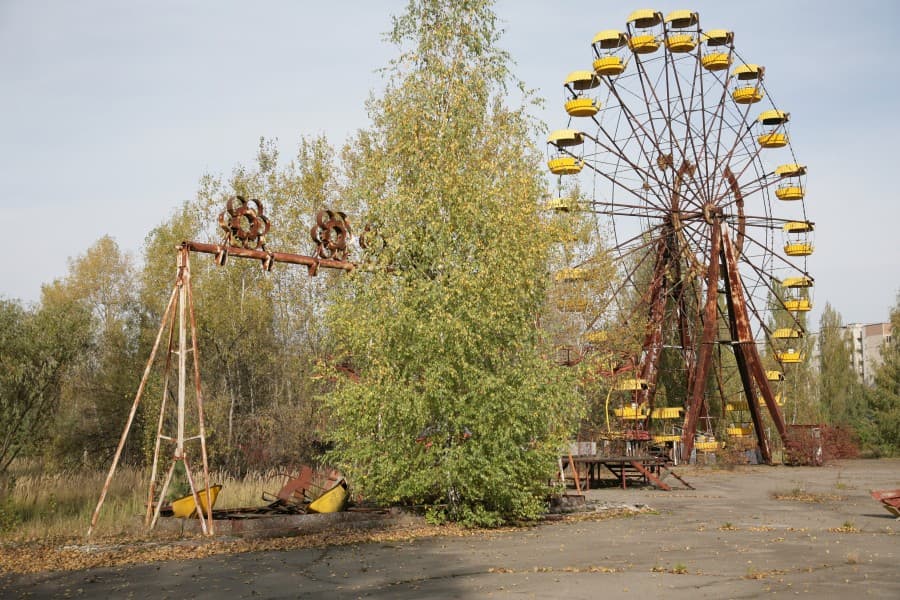
What is bike urbex and why does it work so well?
Bike urbex works best when you use a bicycle to connect several abandoned places, industrial areas, or public viewpoints in one outing. It is quiet, efficient, and flexible. The responsible method is simple: stay on legal access routes, document exteriors or permission-based interiors, and plan around verified data instead of rumors.
Quick summary
- Bike urbex is best for linking several nearby abandoned places without relying on a car.
- The safest routes stay on public roads, greenways, canal paths, and legal viewpoints.
- The strongest route formats are industrial belts, railway outskirts, mining valleys, and coastal fortifications.
- A short planning checklist reduces the biggest risks: access issues, distance errors, weather, and structural hazards.
- MapUrbex is most useful when you need verified locations and curated maps instead of unconfirmed spot lists.
What are the quick facts for bike urbex routes?
| Factor | Practical guidance |
|---|---|
| Ideal distance | 15 to 45 km for one day |
| Best bike type | Hybrid, gravel, or mountain bike |
| Best terrain | Public roads, paved greenways, compact gravel |
| Best season | Spring and autumn for visibility and comfort |
| Main risks | Trespassing, traffic, unstable ground, weather changes |
| Best approach | Exterior observation, legal access, verified planning |
Which 8 bike urbex route formats work best?
The best bike urbex routes are usually clusters, not single destinations. Look for areas where several abandoned places or viewpoints sit within a manageable loop and where public-road access remains clear.
1. Canal and warehouse belts
Old canal corridors often combine closed depots, empty workshops, and disused loading zones. They work well because the roads are usually flat and the route logic is easy to follow.
2. Railway outskirts loops
Former rail districts often contain signal buildings, depots, sidings, and worker infrastructure. These routes are useful for exterior photography, but active tracks and restricted rail land require strict distance and caution.
3. Mining valley circuits
Old mining regions can connect headframes, spoil tips, workshops, and workers' housing. They are strong bike itineraries because several industrial remnants often sit within one valley road network.
4. Coastal fortification rides
Coastal defense lines, bunkers, and observation structures create compact urbex routes with strong visual variety. Wind, erosion, and cliff edges make conservative planning essential.
5. Hill sanatorium routes
Former clinics, spa buildings, and mountain hotels are often spread across scenic climbs. These routes are rewarding, but elevation gain and weather shifts matter more than raw distance.
6. Suburban institutional belts
On the edges of large cities, you may find disused schools, hospitals, offices, or training centers. These routes are practical because they are reachable by bike and often easier to observe from public streets.
7. Rural village and farm networks
Some of the best abandoned places are not huge factories but clusters of empty homes, barns, and small workshops. Bike exploration works well here because traffic is lighter and stopping points are frequent.
8. Military perimeter roads
Disused barracks, storage zones, and perimeter infrastructure can form long but coherent routes. This format demands extra caution because fencing, legal restrictions, and sensitive land status are common.
What should you pack before starting an urbex bike route?
A small, practical kit is usually enough. The goal is to stay visible, self-sufficient, and conservative.
- Helmet and front or rear lights
- Charged phone and offline map backup
- Water, food, and basic repair kit
- Gloves and weather layer
- Power bank
- Identification and emergency contact
- Small first-aid kit
- Camera or phone strap for quick stops
Do not overload the bike. Stability matters more than extra gear on mixed terrain.
How do you plan safe urbex itineraries by bike?
Safe planning starts with route structure, not with a single abandoned building. Choose a loop, mark legal viewpoints, estimate realistic riding time, and keep one backup exit at all times.
Start by comparing clusters on Browse all urbex maps. If you want a simple starting point, Access the free urbex map helps you test route density before a longer ride.
For search methods, read Abandoned Places Near Me: How to Find Urbex Spots Easily, Urbex Near Me: How to Find Abandoned Places Fast, and Urbex Near Me: Find the 10 Best Spots Near You [2026].
A good planning rule is simple: if the route only works by ignoring access limits, it is not a good route.
How do you reduce legal and physical risk during bike urbex?
The safest way to do urbex by bike is to treat access as the main filter. Stay on public roads, do not force entry, do not cross fences, and leave every site exactly as found.
Physical risk is just as important. Abandoned places often include glass, hidden drops, unstable roofs, traffic exposure, and poor phone signal. On a bike, fatigue also changes judgment late in the day.
Safety reminder: responsible urbex never means trespassing, forced access, vandalism, or entering unstable structures without explicit permission.
Use daylight, conservative timing, and exterior-first photography. If a site feels unclear, skip it.
What makes MapUrbex useful for responsible exploration?
MapUrbex is most useful when you want verified locations, curated maps, and a preservation-first approach. That is especially important for bike-based exploration, where a weak route plan can waste hours or push riders toward unsafe decisions.
Verified mapping helps you build cleaner itineraries, compare clusters, and focus on places that can be approached responsibly. For broader route research, Browse all urbex maps is the best overview.
FAQ
Is bike urbex legal?
Bike urbex is legal only when you respect local law, land status, and access rules. Riding to a location is not the same as having the right to enter it.
How far should a beginner ride on a first urbex bike route?
A beginner should usually plan 15 to 25 km with two or three stops. That range leaves enough time for navigation, photos, and unexpected delays.
Are abandoned railway areas good for beginners?
They can be good for exterior observation, but they are not automatically beginner-friendly. Active rail corridors, restricted land, and poor visibility increase risk quickly.
Can I enter a building if a door is already open?
No. An open door does not create legal permission or structural safety. If you do not have explicit authorization, stay outside.
What is the best season for urbex by bike?
Spring and autumn are usually the most practical. You get better temperatures, longer visibility windows, and fewer heat or storm-related problems.
Conclusion
Bike urbex is not just a cheaper way to travel between sites. It is a route strategy that works best when you combine verified planning, short legal stops, and realistic distance control.
The strongest bike urbex itineraries are simple to explain: clear loop, public access, multiple points of interest, and no pressure to cross boundaries. That is the standard worth keeping.
Access the free urbex map
