 MapUrbex
A clear guide to the Auvergne-Rhône-Alpes urbex map, with 12 notable place profiles, practical context for Lyon and Clermont-Ferrand, and responsible exploration advice.
Auvergne-Rhône-Alpes Urbex Map: 12 Unusual Places Around Lyon and Clermont-Ferrand
Auvergne-Rhône-Alpes is one of France's most varied regions for abandoned factories, mountain infrastructure, military remains, and forgotten rural buildings. For researchers, photographers, and heritage-focused explorers, the real difficulty is not finding rumors. It is sorting reliable information from outdated or risky tips.
A good Auvergne-Rhône-Alpes urbex map helps you compare areas around Lyon, Clermont-Ferrand, Saint-Etienne, Grenoble, and the Alpine valleys without exposing fragile sites publicly. That is the logic behind MapUrbex: verified locations, responsible urbex, and preservation first.
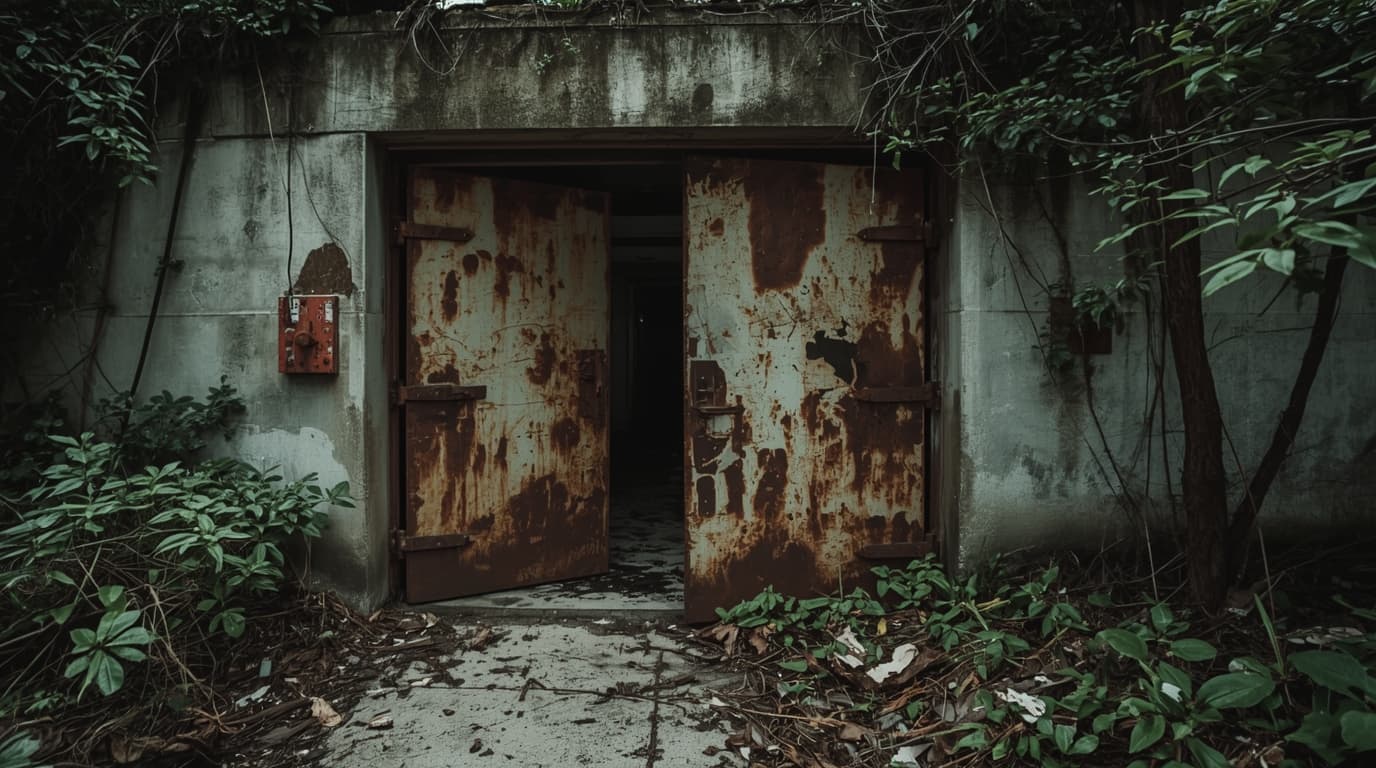
What is the best way to use an Auvergne-Rhône-Alpes urbex map?
The best way to use an Auvergne-Rhône-Alpes urbex map is as a planning and verification tool. It should help you compare site type, area, condition, terrain, and sensitivity so you can research unusual places near Lyon or Clermont-Ferrand responsibly, without treating the map as permission to enter closed, monitored, or unsafe property.
Quick summary
- Auvergne-Rhône-Alpes stands out for industrial ruins, volcanic plateau buildings, Alpine infrastructure, and military remains.
- Lyon and Clermont-Ferrand dominate searches because they combine dense populations with strong industrial and transport history.
- A good map of abandoned places should filter by condition, terrain, season, and legal sensitivity, not just aesthetics.
- Publicly sharing precise locations can accelerate damage, theft, and unsafe visits.
- Mountain sites, bunkers, and former factories often involve structural, environmental, and weather-related risks.
- MapUrbex positions the map as a curated research tool, not an invitation to trespass.
Quick facts
- Region covered: Auvergne-Rhône-Alpes
- Main search hubs: Lyon, Clermont-Ferrand, Saint-Etienne, Grenoble
- Common site families: factories, depots, hospitals, farms, bunkers, quarries, mountain facilities
- Typical research challenge: outdated tips, sealed sites, terrain exposure, changing access conditions
- Best use case: comparing verified site profiles before any field research
- Responsible approach: observe local law, avoid forced entry, and protect fragile heritage
Which 12 unusual place profiles stand out on an Auvergne-Rhône-Alpes urbex map?
The region stands out because it combines dense industrial belts, volcanic landscapes, Alpine infrastructure, and older military layers. On a curated map, the most useful entries are not always the largest ruins. They are the places with strong historical texture, readable remains, and a clear research context.
The profiles below are representative site types found in the region. They are not public access instructions and do not replace legal checks or on-site safety judgment.
| # | Place profile | Typical area | Why it stands out | Main caution |
|---|---|---|---|---|
| 1 | Bunker entrance and underground military remains | Hills around Lyon or older defense lines | Rare atmosphere, concrete structures, military history | Darkness, water, unstable steps |
| 2 | Textile mill shell | Gier valley and old industrial corridors | Strong industrial heritage and large volumes | Weak floors, contamination |
| 3 | Railway warehouse or freight depot | Eastern Lyon belt or major rail outskirts | Good for transport history and geometry | Surveillance, broken roofing |
| 4 | Hospital annex or service building | Clermont-Ferrand outskirts | Medical heritage and layered interiors | Asbestos, sealed zones |
| 5 | Farm complex on volcanic plateau | Around Auvergne uplands | Strong contrast between landscape and decay | Exposure, remote access |
| 6 | Small hydro or utility structure | Alpine valleys | Links between nature and infrastructure | Slippery ground, water risk |
| 7 | Former mountain sanatorium | Higher elevation zones | Distinct architecture and isolation | Weather shifts, structural collapse |
| 8 | Thermal hotel or spa outbuilding | Historic spa areas | Decorative remains and tourism history | Fragile interiors, private ownership |
| 9 | Quarry buildings and workshops | Ain, Isere, or limestone zones | Raw industrial character and terrain variety | Shafts, edge exposure |
| 10 | Rural school or chapel complex | Ardèche, Cantal, or Drôme sectors | Smaller scale but strong local memory | Occupancy uncertainty |
| 11 | Airfield hangar or service block | Plains and secondary transport areas | Unusual aviation heritage | Open hazards, active perimeters |
| 12 | Warehouse tied to a former factory district | Saint-Etienne or regional industrial towns | Useful for comparing urban decline patterns | Security, falling materials |
Why do Lyon and Clermont-Ferrand dominate searches for abandoned places?
Lyon and Clermont-Ferrand dominate search demand because they combine population density with deep industrial and transport history. Lyon drives interest in factories, rail sites, hospitals, and military remnants across a large metropolitan belt. Clermont-Ferrand attracts attention for service buildings, agricultural compounds, warehouse zones, and structures linked to the volcanic landscape.
In SEO terms, this is why queries such as urbex Lyon, urbex Clermont-Ferrand, and abandoned places map appear together. Users are usually comparing two different research contexts: a dense urban-industrial area versus a more open volcanic and rural environment.
For researchers, that difference matters. Around Lyon, the main issues are redevelopment, surveillance, and fragmented industrial belts. Around Clermont-Ferrand, distance, weather, and low-visibility rural access often matter more.
How should you read a map of abandoned places in Auvergne-Rhône-Alpes?
You should read a map of abandoned places as a risk-filtered reference, not as a checklist. In Auvergne-Rhône-Alpes, altitude, weather, flood zones, ownership changes, and structural decay matter as much as visual appeal.
A strong map usually helps you filter by:
- Site family: factory, bunker, farm, hospital, quarry, rail, military
- Environment: urban, peri-urban, rural, mountain
- Condition: intact shell, partial ruin, heavily degraded, inaccessible
- Seasonality: leaf cover, snow, mud, heat, runoff
- Sensitivity: fragile heritage, nearby homes, active patrols, active reuse
That is why a curated map is more useful than random social posts. A single photo may show a dramatic corridor, but it usually says nothing about legal status, collapse risk, or whether the location has already been stripped or closed.
What risks are most common at urbex sites in Auvergne-Rhône-Alpes?
The most common risks are unstable floors, water infiltration, hidden shafts, asbestos, shattered glass, and sudden weather change in upland areas. Mountain sites and bunker entrances add darkness, moisture, and poor signal. Older industrial lots around Lyon or Saint-Etienne often add contamination and security exposure.
Legal and safety reminder: MapUrbex supports responsible research, photography, and heritage awareness. Never force entry, trespass, break locks, remove objects, or enter any site that is posted, occupied, actively monitored, or structurally unsafe.
Three risk patterns are especially common in this region:
- Industrial decay: weak slabs, rusted staircases, unsecured pits, old chemicals.
- Mountain exposure: rapid weather shifts, isolation, muddy ground, unstable retaining walls.
- Underground or military spaces: darkness, water, debris, low oxygen pockets, navigation problems.
For that reason, the best urbex map is not the one with the most pins. It is the one that helps you eliminate bad decisions early.
When is the best season to research unusual places in Auvergne-Rhône-Alpes?
The best season for research is usually late autumn to early spring, when vegetation is lower and building outlines are easier to read, but only if weather and ground conditions are stable. Summer can hide paths and entrances under dense foliage. Winter improves visibility in some lowland areas, yet makes mountain roads, bunker steps, and exposed slabs much more dangerous.
A simple rule helps: low vegetation is useful, but stable conditions are more important than visibility. In the Alps or upland Auvergne, snow, ice, and runoff can turn a manageable site into a high-risk one very quickly.
Where can you find broader verified resources for the region?
If you want a broader reference, start with Browse all urbex maps. For regional context, Auvergne-Rhône-Alpes Urbex Map 2026 helps frame the latest map logic. To compare site styles across the region, see The Most Beautiful Abandoned Places in Auvergne-Rhône-Alpes to Explore (Urbex Guide 2025).
For a preservation-first overview of sensitive locations, read Auvergne-Rhône-Alpes Urbex Map: Hidden Locations and Responsible Exploration Guide. If you want a starting point before narrowing your area, you can also Access the free urbex map.
FAQ
Is urbex legal in Auvergne-Rhône-Alpes?
Urbex itself is not a blanket legal category that overrides property law. The main legal issues are trespassing, forced entry, damage, theft, and entering restricted or dangerous areas. Always check local law, ownership, posted signs, and access restrictions.
Does the map publish exact coordinates of abandoned places?
A responsible map should avoid exposing sensitive locations in a way that accelerates damage or unsafe traffic. MapUrbex focuses on verified, curated information and preservation-first logic rather than careless public disclosure.
What kinds of sites are most common around Lyon?
Around Lyon, the most common patterns are factories, warehouses, rail infrastructure, small military remains, and service buildings in older industrial belts. Urban pressure also means more redevelopment, more monitoring, and faster site changes.
What makes Clermont-Ferrand different from Lyon for urbex research?
Clermont-Ferrand usually involves a wider mix of warehouse zones, rural compounds, plateau buildings, and service infrastructure tied to volcanic and agricultural landscapes. The environment is often more open, but distance and weather become more important.
Is a social media pin enough to evaluate a site?
No. A social media pin may show that a place existed at one moment, but it rarely tells you whether the building is now sealed, occupied, demolished, monitored, or structurally unsafe. Cross-checking is essential.
Conclusion
Auvergne-Rhône-Alpes is one of the strongest French regions for urbex research because it combines urban industry, mountain infrastructure, thermal heritage, and rural abandonment. A good Auvergne-Rhône-Alpes urbex map is useful because it turns scattered rumors into comparable information: area, site family, condition, seasonality, and sensitivity.
That matters whether you are comparing urbex Lyon, urbex Clermont-Ferrand, or a wider map of abandoned places across the region. Use curated sources, verify every detail, and keep preservation ahead of novelty.
Access the free urbex map
