 MapUrbex
Learn how to spot likely asbestos risk in urbex sites without getting closer, disturbing materials, or underestimating hazardous exposure.
Asbestos and Urbex: How to Spot the Risk Without Exposing Yourself
Abandoned hospitals, factories, schools, and service buildings often contain more than decay. In many older sites, the real danger is not the dramatic collapse risk but invisible airborne fibers from damaged asbestos-containing materials.
For urbex, the safest mindset is simple: you are not trying to confirm asbestos on site. You are trying to recognize warning signs early enough to keep your distance, avoid disturbing material, and leave without exposure.
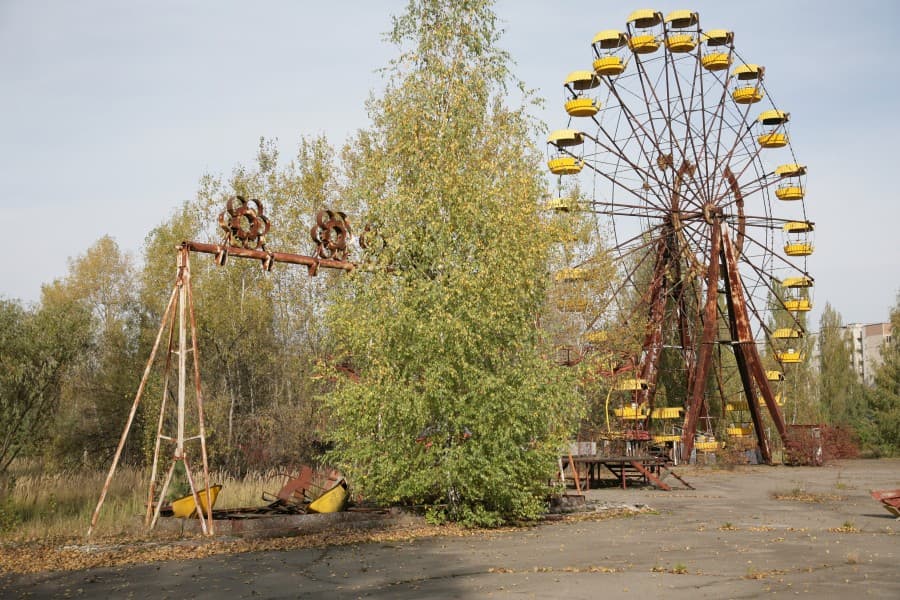
How can you recognize asbestos risk in urbex without exposing yourself?
You recognize asbestos risk in urbex by observing suspect materials from a distance, not by touching, scraping, or moving closer. Old pipe lagging, sprayed insulation, cement sheets, broken ceiling panels, boiler-room debris, and dusty service areas are common warning signs. If a material looks friable, cracked, or recently disturbed, treat the area as unsafe and leave.
Quick summary
- Asbestos is most dangerous when damaged material can release fibers into the air.
- In urbex, visual recognition is only a risk-screening method, not proof.
- Old industrial, institutional, heating, and utility areas deserve the most caution.
- Broken insulation, dust, debris, and confined spaces are strong reasons to turn back.
- A respirator does not make reckless entry safe in unknown conditions.
- Responsible urbex means legal access, no forced entry, and no disturbance of materials.
Quick facts
- Highest-risk situations: damaged, dusty, friable material in enclosed areas.
- Common suspect sites: boiler rooms, basements, maintenance corridors, roofs, old schools, hospitals, factories, and warehouses.
- Common suspect materials: pipe insulation, sprayed coatings, asbestos cement, old floor tiles, adhesives, and fireproof boards.
- Sight alone cannot confirm asbestos. Laboratory testing is the only reliable confirmation.
- If you are unsure, the safest decision is to avoid the area and exit calmly.
Why is asbestos still a real urbex hazard?
Asbestos is still a real urbex hazard because many abandoned buildings were built or renovated when asbestos products were common. The danger rises when age, water damage, vandalism, weather exposure, or previous disturbance has broken the material and released fibers.
Asbestos was widely used for insulation, fire resistance, roofing, cement products, flooring, and technical installations. In abandoned places, neglect changes the risk profile. An intact panel may be less urgent than shattered lagging on the floor, but explorers usually cannot evaluate that safely on site.
That is why urbex safety is mostly about decision-making, not diagnosis. If a building shows suspect hazardous materials, your goal is to reduce time, distance, and disturbance.
Which materials and locations should you treat as suspect?
You should treat any older insulation, industrial service material, or damaged fireproofing product as suspect until proven otherwise. Pipe runs, heating systems, technical basements, utility tunnels, roofs, and rooms with visible maintenance debris deserve extra caution.
| Suspect material or location | What it may look like | Why it matters | Safer response |
|---|---|---|---|
| Pipe lagging and boiler insulation | White, gray, or beige wrapping, sometimes fibrous or crumbling | Often high concern when damaged or friable | Do not approach, brush against, or photograph up close |
| Sprayed fireproofing or insulation | Rough coating on ceilings, beams, or ducts | Can release fibers if deteriorated | Leave the area if dust or surface damage is visible |
| Asbestos cement sheets and roofing | Corrugated panels, flat cement boards, old outbuildings | Lower risk when intact, higher if broken | Stay back and avoid roofs, climbing, or contact |
| Old vinyl floor tiles and black adhesive | Small rigid tiles, dark glue residue | Risk increases during breakage or scraping | Do not disturb debris or kneel in dusty rooms |
| Ceiling tiles and partition boards | Lightweight panels, damaged boards, service ceilings | Hidden debris may fall or crumble | Avoid confined interiors and damaged overhead materials |
| Plant rooms, shafts, and basements | Mixed debris, old valves, ducts, insulation fragments | Often combine dust, poor air, and damaged materials | Treat as no-go zones if contamination is plausible |
Older date ranges increase suspicion, but there is no universal visual cutoff that works worldwide. Building age helps you judge probability, not certainty.
Which visual signs should make you leave immediately?
If you see damaged suspect material, loose dust, broken insulation, or debris in stagnant indoor air, you should leave immediately. These signs matter more than the aesthetic condition of the building because they suggest potential fiber release.
High-alert signs include:
- Crumbling lagging around pipes, boilers, or valves
- Dusty debris under insulation, ceiling panels, or ductwork
- Broken corrugated sheets, cement boards, or fire doors
- Service tunnels, basements, or plant rooms with poor ventilation
- Evidence that others recently smashed, pulled, or cut building materials
- Rooms where every step lifts dust from the floor
Do not test by touching the material, bending it, scraping a sample, or moving debris for a better photo. That is exactly how unnecessary exposure happens.
Can you identify asbestos with certainty by sight alone?
No. You cannot identify asbestos with certainty by sight alone, and that is the most important limit to understand. Visual assessment can only tell you that a material is suspicious enough to avoid.
Many non-asbestos products resemble asbestos-containing materials. Cement board, mineral wool, plaster, fiberglass, and modern replacements can look similar at a distance. The reverse is also true: some asbestos products look ordinary and easy to miss.
Only proper sampling and laboratory analysis can confirm whether asbestos is present. For urbex, that means you should never act like a field inspector. A safe explorer treats uncertainty as a reason to increase distance, not curiosity.
What should you do before, during, and after an exploration?
You should prepare for asbestos risk before the visit, make conservative decisions during the visit, and handle dusty gear carefully afterward without creating more dust. The key rule is to avoid exposure rather than manage it later.
Before you go:
- Prefer documented sites and route planning over improvisation. You can Browse all urbex maps to compare locations and access context.
- Learn the legal baseline before visiting any site. Read Is Urbex Legal? A Clear Guide to Urban Exploration Laws.
- Avoid locations already known for severe contamination or collapse risk. This overview of Top 5 Most Dangerous Urbex Places and Why You Should Avoid Them is a useful filter.
- Consider whether solo exploration is a poor choice for the site. Solo Urbex or Group Urbex: Pros and Cons for Safer Exploration covers the trade-offs.
During the visit:
- Stay out of boiler rooms, plant areas, utility basements, crawl spaces, and dusty service corridors unless conditions are clearly low risk.
- Do not touch walls, pipes, insulation, ceiling panels, or floor debris.
- Avoid climbing onto old roofs or crossing rooms covered in broken material.
- Keep your time inside short if the building condition is poor.
- If one person notices suspect material, the whole group should withdraw.
- Never force entry, bypass barriers, or disturb the site. Responsible urbex is preservation-first.
After the visit:
- If your clothing or shoes are visibly dusty from a suspect site, treat them carefully and avoid shaking them indoors.
- Bag outer layers if needed and clean gear gently according to manufacturer guidance.
- If you believe you entered a heavily contaminated area, seek professional advice instead of guessing.
- Document the risk privately so you do not encourage others to enter casually.
How does MapUrbex help you reduce avoidable risk?
MapUrbex helps reduce avoidable risk by making planning more deliberate. Verified locations, curated maps, and preservation-first guidance cannot remove every hazard, but they can help explorers avoid impulsive choices, inappropriate sites, and poorly understood access conditions.
The safest urbex trip usually starts before arrival. Better information means fewer rushed entries, fewer dead-end detours, and fewer situations where curiosity overrides judgment. If a site has strong signs of hazardous materials, the right outcome is often not a better photo but a decision to leave.
FAQ
Is asbestos only dangerous in factories?
No. Factories are a common concern, but schools, hospitals, apartment blocks, offices, theaters, farms, garages, and utility buildings may also contain asbestos-containing materials.
Is old corrugated cement always asbestos?
No. Many old corrugated sheets were asbestos cement, but not all of them. Age and appearance can raise suspicion, yet only testing can confirm the material.
Does a respirator make a suspected asbestos site safe?
No. Respiratory protection does not turn an unknown contaminated environment into a safe one. Fit, filter type, exposure level, and disturbance all matter, and most explorers cannot control those factors on site.
Should you photograph damaged asbestos up close?
No. If a material may contain asbestos and is damaged, close-up photography is not worth the risk. Use zoom from a distance or leave the area entirely.
What is the safest rule if you are unsure?
Assume the material could be hazardous, avoid disturbing it, and leave. In urbex, uncertainty is a warning sign, not an invitation to investigate further.
Conclusion
Asbestos and urbex are a serious combination because the risk is often invisible and easy to underestimate. The practical goal is not to identify every material perfectly. It is to notice the warning pattern early: age, dust, damage, insulation, technical areas, and signs of disturbance.
If you cannot rule out exposure without getting closer, you already have your answer. Step back, preserve the site, and choose the safer location.
Access the free urbex map
