 MapUrbex
Learn how to find abandoned houses near you responsibly, verify legal access, assess safety, and use curated urbex maps without guesswork.
Abandoned Houses Near Me: How to Find Them Responsibly
Searching for abandoned houses near me usually starts with curiosity, local history, or photography. The problem is that most online tips are incomplete, outdated, or unsafe.
A better approach is to combine public research, legal checks, and verified mapping tools. That helps you avoid false leads, private homes, and dangerous sites while still finding real abandoned places with context.
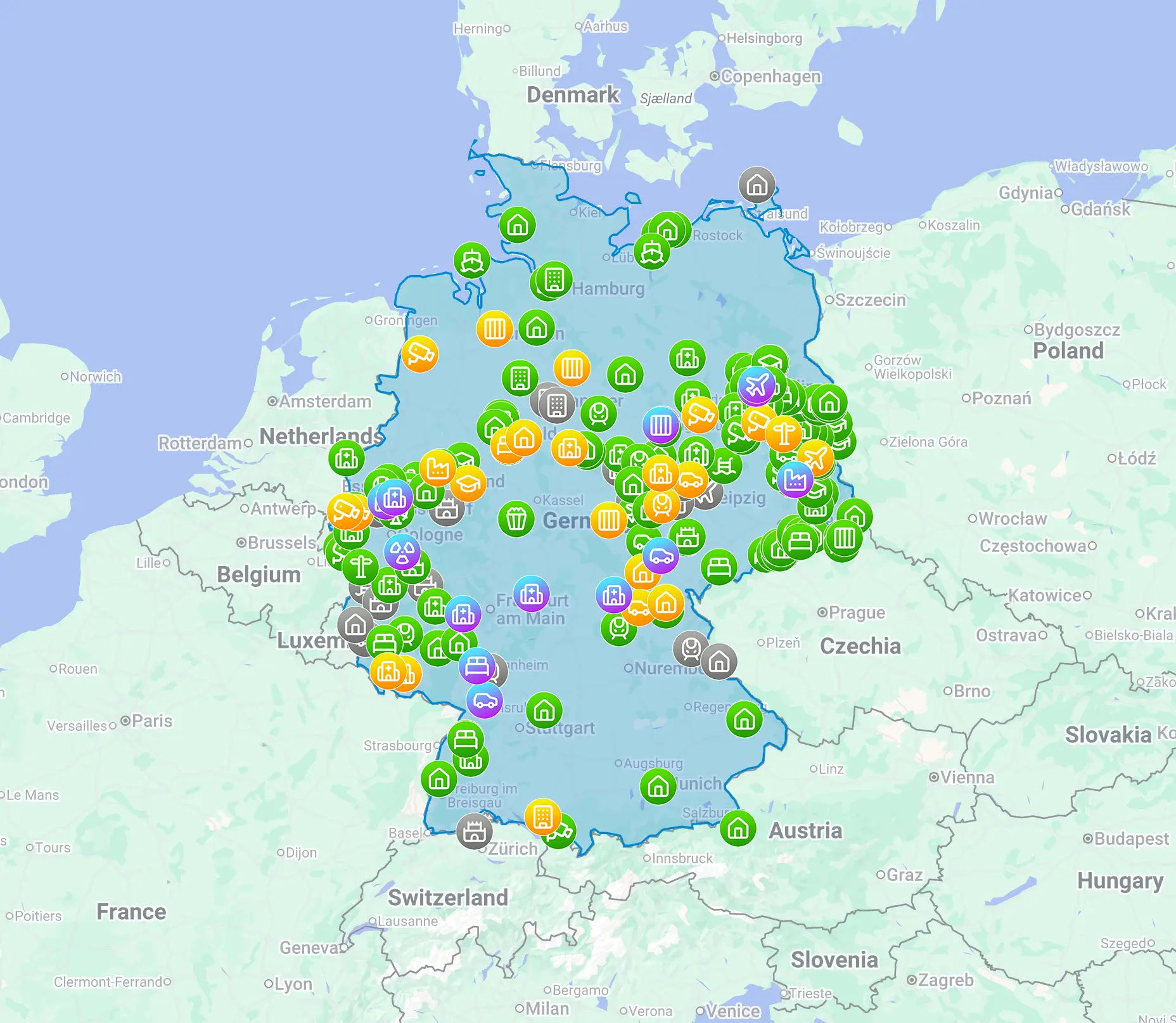
How can I find abandoned houses near me responsibly?
The safest way to find abandoned houses near you is to use public records, satellite imagery, local history sources, and curated urbex maps, then verify ownership, access rules, and current status before going anywhere. Responsible urbex means no forced entry, no trespassing, and no damage to the site.
Quick summary
- Use multiple sources, not a single pin or social post.
- Confirm whether the house is truly abandoned, not just neglected.
- Check ownership, local laws, and access restrictions first.
- Treat every location as potentially unstable or monitored.
- Prefer verified, curated resources over random coordinates.
- If access is not legal or clearly permitted, do not enter.
Quick facts
- Best starting points: satellite view, cadastral tools, historic maps, local archives, curated urbex maps.
- Most common mistake: assuming an empty-looking house is abandoned.
- Main legal issue: many abandoned houses are still private property.
- Main safety issue: structural collapse, mold, asbestos, broken floors, and hidden wells.
- Best use case for maps: narrowing down leads before field verification.
Why are abandoned houses harder to find than they look?
Abandoned houses are harder to find than most people expect because visible decay does not prove legal abandonment. A boarded house may still be owned, monitored, inherited, or awaiting renovation.
Online lists also age badly. A location shared two years ago may now be demolished, secured, occupied, or converted. That is why responsible explorers avoid relying on old coordinates alone.
Another issue is mislabeling. People often use "abandoned" for any neglected property, but from a practical and legal perspective there is a big difference between disuse, vacancy, foreclosure, and confirmed abandonment.
What are the safest ways to find abandoned houses near me?
The safest methods are desk research first and field checks second. You should build evidence from public data before visiting anything in person.
If you want a solid process, start with How to Find Abandoned Places Responsibly. It explains how to reduce bad leads and approach locations with better judgment.
| Method | What it helps you confirm | Main limitation |
|---|---|---|
| Satellite imagery | Roof damage, overgrowth, isolated access | Images may be old |
| Street-level observation from public space | Current exterior condition | Does not confirm legal access |
| Property and cadastral records | Ownership or parcel details | Availability varies by country |
| Historic newspapers and local archives | Past use and closure history | Time-consuming |
| Curated urbex maps | Filtered location discovery | Still requires final verification |
A practical workflow looks like this:
- Search by area, not by one exact rumor.
- Compare map imagery with recent public information.
- Note signs of long-term disuse.
- Verify whether the parcel is private or restricted.
- Only consider a visit if access is legal and safe.
For broader discovery, you can Browse all urbex maps and compare regions more efficiently.
Which signs help confirm whether a house is actually abandoned?
A truly abandoned house usually shows several signs at once, not just one. The strongest clues are accumulated neglect, missing maintenance over time, and no visible sign of current use.
Common indicators include:
- Severe overgrowth blocking paths or doors
- Broken or missing windows left unrepaired for long periods
- Mail buildup or absent utilities
- Repeated signs of weather intrusion
- Empty outbuildings or collapsed fencing
- No recent vehicle tracks or upkeep
Still, none of these signs proves legal access. A house can look empty and still be actively owned. That is why responsible researchers cross-check visual clues with records and local context.
Can you visit abandoned houses legally?
Sometimes, yes, but only when access is explicitly legal or permitted. In many places, abandoned houses remain private property even if nobody lives there.
Legal access may exist when:
- The site is open to the public
- The owner grants permission
- The building is part of a managed heritage visit
- Local rules clearly allow entry
Illegal access is still illegal even if a door is open. Forced entry, fence bypassing, and trespassing are not part of responsible urbex.
Safety and legality come first. If ownership, access status, or structural condition is unclear, the correct decision is to stay outside.
What risks should you assess before any visit?
The main risks are structural instability, hazardous materials, legal exposure, and emergency access problems. These risks exist even at small abandoned houses.
Before any visit, assess:
- Floor and stair stability
- Water damage and rot
- Roof collapse risk
- Nails, glass, and sharp debris
- Mold, asbestos, and air quality issues
- Cell signal and exit routes
- Weather, isolation, and local wildlife
Never assume a residential site is safer than a factory. Old homes can hide weak basements, unsecured wells, electrical hazards, and contaminated interiors.
How does MapUrbex help you find better locations?
MapUrbex helps by focusing on verified locations, curated maps, and a preservation-first approach. That means the goal is not random coordinates. The goal is better information and better decisions.
Instead of chasing unreliable lists, users can compare mapped regions, identify patterns, and prioritize locations with stronger context. If you want to understand why curated discovery matters, read Best Urbex Maps in the World: Where to Find Verified Locations.
MapUrbex is especially useful when you want to:
- Save time filtering weak leads
- Reduce outdated or fake location tips
- Explore with a more responsible method
- Keep preservation at the center of urbex practice
FAQ
Is it legal to search for abandoned houses online?
Yes. Researching maps, archives, and public records is generally legal. The legal issue begins when someone enters private or restricted property without permission.
Are abandoned houses safe to visit?
Not automatically. Many abandoned houses are more dangerous than they appear because of rotten floors, mold, unstable stairs, and hidden structural damage.
What is the best tool for finding abandoned houses to visit?
There is no single best tool. The most reliable method combines public research, local verification, and curated mapping resources rather than one social media post or one forum thread.
How do I know if a location is still active or occupied?
Look for maintained paths, recent repairs, fresh tire marks, working utilities, lights, bins, or signs of routine upkeep. If there is any doubt, assume the property is active and do not enter.
Should I share abandoned house locations publicly?
Usually not in a precise, unfiltered way. Public overexposure can lead to vandalism, theft, and rapid site loss. Responsible urbex favors preservation over hype.
Conclusion
Finding abandoned houses near me is not really about finding the fastest pin on a map. It is about finding accurate information, respecting the law, and protecting places that are already fragile.
The best results come from careful research, legal clarity, and verified tools. If you want to explore responsibly, start with curated data instead of random guesses.
Access the free urbex map
