 MapUrbex
A practical guide to abandoned hospitals: why they matter in urbex, what makes them risky, and which safety and legal precautions matter most.
Abandoned Hospitals: History, Risks, and Safety Precautions for Urbex
Abandoned hospitals are among the most searched and most misunderstood urbex sites. They combine medical history, strong visual atmosphere, and often large, complex buildings.
They are also high-risk locations. Structural decay, contamination, legal issues, and privacy concerns are more common in abandoned hospitals than in many other urban exploration spots.
This guide explains the history of abandoned hospitals, the main urbex risks, and the precautions that matter if you want to explore responsibly.
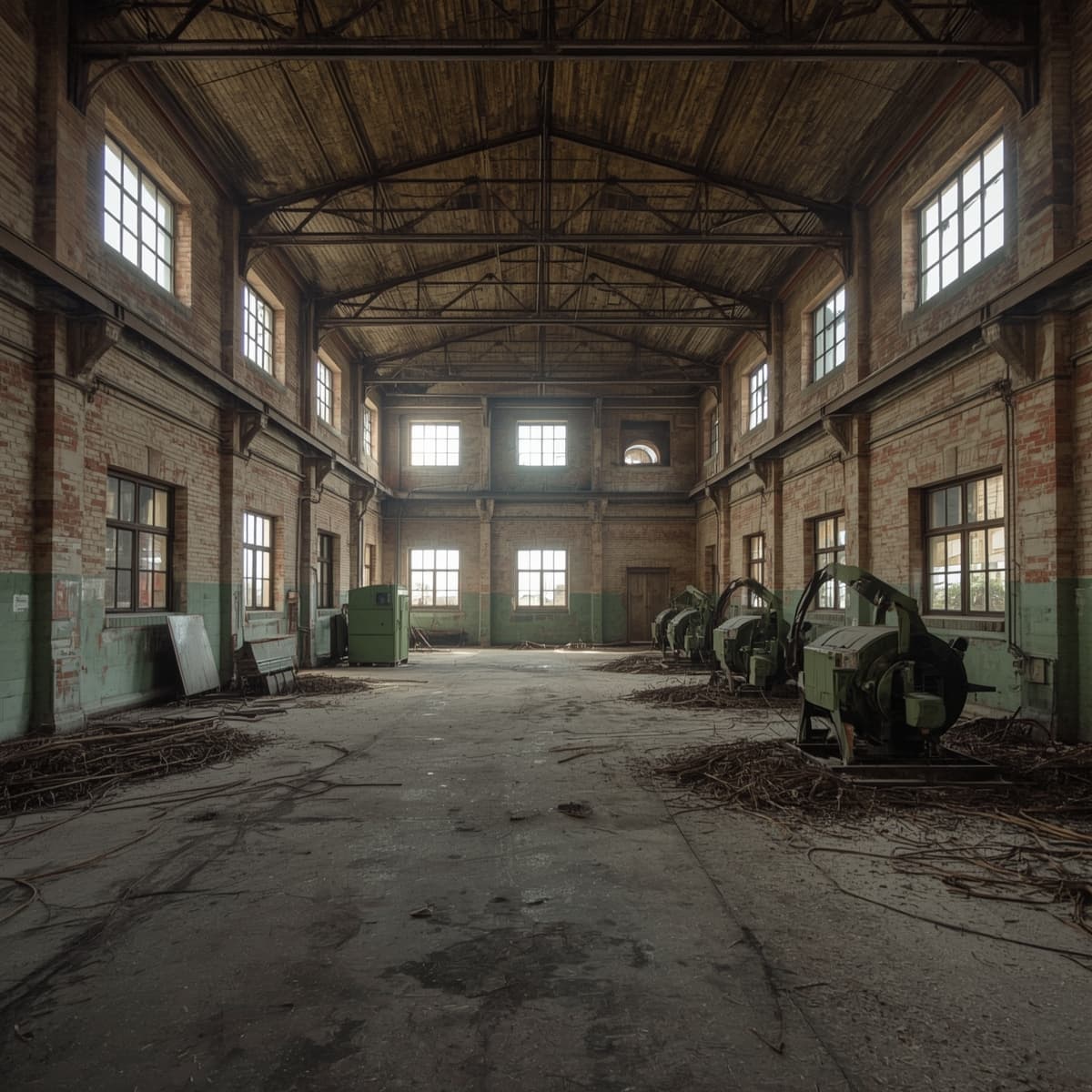
What should you know about abandoned hospitals before planning an urbex visit?
Abandoned hospitals can be historically important and visually striking, but they are rarely beginner-friendly. Many contain unstable floors, mold, asbestos, sharp debris, unsecured basements, and old records. In practice, the safest approach is to treat them as high-risk sites, avoid illegal entry, verify the legal status, and use a preservation-first plan before you go.
Quick summary
- Abandoned hospitals attract urbex interest because they preserve traces of medical history more clearly than many other sites.
- They often present above-average risks, including structural instability, contamination, and complex layouts.
- Most abandoned hospitals are still private property, even when they look open or neglected.
- Responsible exploration means no forced entry, no theft, no vandalism, and no disturbance of records or equipment.
- Reliable site research matters more than social media hype or copied location lists.
- Verified, curated maps are usually safer and more useful than generic "top 10" urbex articles.
Quick facts
| Topic | Key point |
|---|---|
| Historical value | Many abandoned hospitals reflect changes in public health, psychiatric care, war medicine, or regional demographics. |
| Typical hazards | Mold, asbestos, broken glass, unstable stairs, dark corridors, shafts, and water damage are common. |
| Legal status | An empty hospital is not automatically legal to enter; many remain privately owned or actively monitored. |
| Privacy risk | Files, labels, and personal traces can still exist and should never be removed or published irresponsibly. |
| Best practice | Go only with permission where required, daylight planning, route research, and a strict no-damage ethic. |
| Better sourcing | Use verified references such as Browse all urbex maps instead of copied lists. |
Why do abandoned hospitals hold such a strong place in urbex culture?
Abandoned hospitals matter in urbex because they combine architecture, social history, and visible signs of human care systems. A factory may show industrial decline. A hospital often shows how a society treated illness, emergency care, mental health, or long-term institutional life.
Many hospital closures came from healthcare centralization, rising maintenance costs, stricter building standards, demographic change, or the replacement of older campuses with modern facilities. Psychiatric hospitals were also affected by deinstitutionalization in many countries.
For explorers, that history creates a layered environment: wards, operating rooms, laboratories, chapels, tunnels, and administrative areas can survive in the same complex. That density is part of the appeal, but it also increases risk.
What makes abandoned hospitals more dangerous than many other urbex sites?
Abandoned hospitals are often more dangerous because they were designed as technical buildings with many hidden systems. Their size and layout can conceal hazards that are less common in simpler abandoned spaces.
Common examples include:
- damaged stairwells and soft floors
- missing handrails and broken window glass
- waterlogged basements and service tunnels
- mold, dust, and possible asbestos exposure
- needles, chemicals, or old laboratory materials
- confusing corridors that make exit routes harder to track
Hospitals can also contain partial power systems, elevator shafts, oxygen lines, roof access points, and maintenance voids. Even when a room looks intact, the next step can be unsafe.
This is why MapUrbex treats verified locations and responsible filtering as essential. The goal is not just to find places. The goal is to reduce avoidable risk and preserve sites.
Which precautions matter most in an abandoned hospital?
The most important urbex precautions in an abandoned hospital are legal verification, route planning, daylight timing, protective basics, and disciplined behavior. Good decisions before arrival reduce more risk than improvisation on site.
A useful baseline checklist includes:
- confirm ownership or access rules before visiting
- never force entry or cross obvious security barriers
- go with at least one other person when local law and site rules allow
- wear sturdy boots and practical gloves
- carry two independent light sources
- keep a charged phone and offline navigation backup
- avoid touching unknown substances, containers, or records
- leave immediately if air quality, flooring, or noise conditions feel wrong
Respiratory protection may be relevant in dusty interiors, but it does not make contaminated buildings safe. Personal equipment reduces exposure. It does not remove the hazard.
How should you handle legality, ethics, and privacy around abandoned hospitals?
The legal and ethical standard is simple: an abandoned hospital is not a free-access attraction just because it is empty. You should not trespass, force access, break locks, publish entry methods, or disturb sensitive material.
Hospitals raise special privacy issues. Old labels, patient traces, staff names, and archived paperwork may still be present. Even when records appear discarded, they can involve personal data and deserve careful treatment.
If you are new to responsible exploration, start with Urbex Ethics: Rules for Responsible Urban Exploration and The Golden Rules of Urbex: Ethics and Safety for Responsible Exploration. Those principles matter even more in healthcare sites.
How can you find real abandoned hospitals without relying on fake lists?
The best way to find abandoned hospitals is to avoid recycled location lists and use curated, verified sources. Many viral urbex articles copy each other, use outdated information, or mix inaccessible places with demolished ones.
That creates two problems. First, it wastes time. Second, it pushes people toward unsafe guesswork when the published information is wrong.
A better method is to study current documentation, compare multiple signals, and use trustworthy databases. Why Most Urbex Lists Are Fake, and How to Find Real Places explains why copied lists fail. If you want a broader view, you can also Browse all urbex maps.
What planning habits make abandoned hospital visits safer and more useful?
Safer abandoned hospital exploration depends on preparation, restraint, and clear exit criteria. The strongest explorers are usually the ones who turn back early when conditions are poor.
Useful planning habits include:
- checking recent weather, because rain worsens rot and slip risk
- studying satellite views and legal access boundaries in advance
- setting a turnaround time before nightfall
- sharing your plan with a trusted contact
- avoiding rooftops, shafts, and flooded lower levels
- taking only photographs and leaving every object in place
It also helps to define the purpose of the visit. If the goal is documentation, you need less movement, less risk, and fewer unnecessary detours.
FAQ
Are abandoned hospitals more dangerous than abandoned factories?
Often, yes. Hospitals tend to combine structural decay with medical, chemical, and navigation risks in one site. That does not make every factory safer, but hospitals frequently demand more caution.
Is it legal to enter an abandoned hospital?
Not automatically. Many abandoned hospitals are still private property or managed by public entities. You should always check local law, ownership, and access rules before visiting.
Do abandoned hospitals still contain medical hazards?
Sometimes. Even when major equipment is removed, sites can still contain mold, dust, damaged materials, sharp waste, chemicals, or remnants from laboratories and maintenance systems.
Why are abandoned hospital lists online often unreliable?
Many are copied from older posts, social media threads, or AI-generated summaries with no verification. A place may be demolished, secured, converted, or never have been realistically accessible in the first place.
Should beginners choose abandoned hospitals for their first urbex outing?
Usually not. Because of layout complexity and contamination risk, abandoned hospitals are rarely the best starting point. Beginners are better served by lower-risk, legally clear sites.
Conclusion
Abandoned hospitals are important urbex subjects because they preserve architecture, institutional history, and human stories in a direct way. They are also among the easiest sites to underestimate.
If you approach them at all, do it with legal clarity, strong safety margins, and a preservation-first mindset. Responsible exploration is not about pushing deeper into risk. It is about knowing when a place should be documented carefully, skipped entirely, or viewed only through verified research.
If you want better source quality than random lists, use curated tools and verified mapping.
Access the free urbex map
