 MapUrbex
Learn how to find abandoned buildings near you with a verified map, research steps, legal checks, and responsible urbex planning.
Abandoned Buildings Near Me: Map and Research Guide
Looking for abandoned buildings near me usually starts with one problem: most lists are outdated, vague, or unsafe to use.
A better approach is to combine a curated urbex map with basic research. That helps you find relevant places, understand whether they still exist, and avoid wasting time on demolished, reused, or restricted sites.
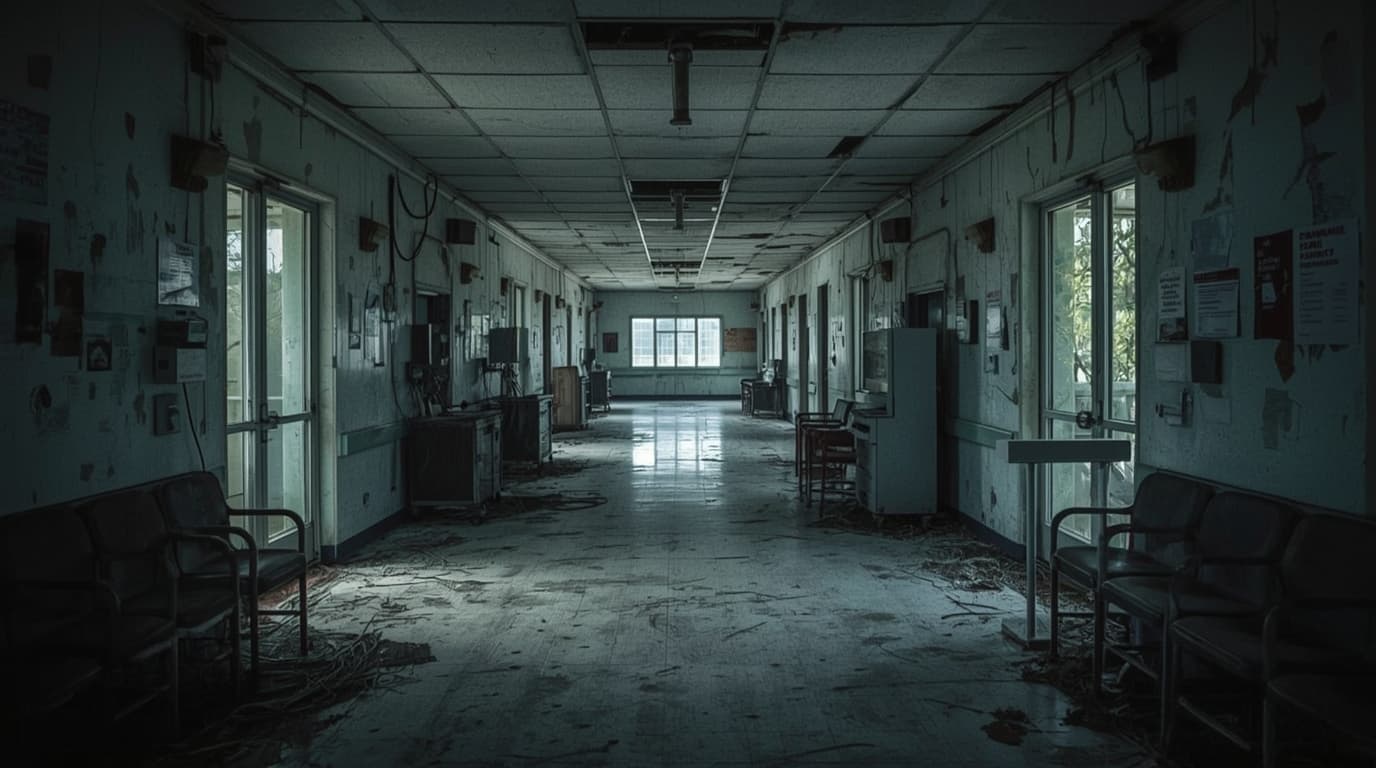
How can I find abandoned buildings near me safely and legally?
The safest way to find abandoned buildings near you is to use a curated map, confirm the current status with recent sources, and respect access rules at every step. Responsible urbex research focuses on verification, public viewpoints, and preservation. It does not mean forcing entry, trespassing, or assuming that an abandoned-looking site is open to visitors.
Quick summary
- Use a map of abandoned buildings with recent notes, not random lists.
- Verify whether the place still exists, is fenced, or has been reused.
- Check ownership, local access rules, and signs before any visit.
- Prioritize daylight scouting, public roads, and legal viewpoints.
- Expect rapid change: abandoned places around you can be sealed or demolished quickly.
- MapUrbex works best as a research and planning tool, not as a shortcut around safety or law.
Quick facts
| Point | What to know |
|---|---|
| Best starting tool | A curated urbex map with recent status notes |
| Most common mistake | Trusting old blog lists or recycled social posts |
| Fastest verification method | Cross-check map notes, recent imagery, and local news |
| Legal baseline | No trespassing, no forced access, no vandalism |
| Best first visit | Exterior scouting from public space in daylight |
What is the best map for finding abandoned buildings near me?
The best map for finding abandoned buildings near me is one that favors verified locations, recent updates, and clear context over crowd-sourced hype. A good map should help you filter by region and place type, while also warning you when a site is sealed, repurposed, or no longer worth the trip.
MapUrbex is built around that logic. Instead of treating every pin as an invitation to enter, it treats each location as a research record. That is useful for photographers, historians, and curious travelers who need context before they plan anything.
If you want a starting point, Access the free urbex map. If you want a broader index by region, Browse all urbex maps.
Which research steps help verify an abandoned place before visiting?
The most reliable way to find abandoned places is to verify them in layers. One source is rarely enough.
Use this order:
- Start with a curated map entry and read the latest notes.
- Check whether the site appears intact in recent satellite or street-level imagery.
- Look for signs of reuse, cleanup, fencing, demolition, or active vehicles.
- Search recent local news for fire, redevelopment, sealing, or demolition.
- Review public access clues such as gates, warning signs, or construction notices.
- Decide whether the site is suitable only for exterior viewing or not worth visiting at all.
This is where an urbex research guide matters. The goal is not just to find abandoned places around you. The goal is to avoid false positives.
Many locations disappear quickly. The article Abandoned Places That Disappeared in 2025: Demolished, Reused, or Sealed shows how fast the landscape changes.
How can I tell whether a site is abandoned, active, or restricted?
A building is not safely or legally accessible just because it looks empty. The key question is status, not appearance.
Look for these signals:
- Boarded windows plus fresh security cameras usually mean active monitoring.
- New fences, fresh locks, or cleared paths often indicate recent intervention.
- Maintained lawns, parked vehicles, or lit interiors can mean partial use.
- Posted warning signs can indicate restricted access even if the structure seems derelict.
- Construction equipment or planning notices usually point to redevelopment.
A site can be abandoned in practical terms and still be private property. That distinction matters. Responsible urbex starts with observation and verification, not assumption.
Safety reminder: never enter a site through broken openings, damaged fences, or forced access points. If lawful access is not clear, treat the location as off-limits.
What risks should you check before planning an urbex visit?
The main risks are legal, structural, environmental, and informational. In practice, outdated information creates many of the other problems.
| Risk type | Example | Best response |
|---|---|---|
| Legal | Trespassing or restricted private property | Stay on public land unless you have permission |
| Structural | Rotting floors, unstable stairs, falling debris | Avoid interior entry without formal authorization and proper expertise |
| Environmental | Mold, asbestos, chemicals, standing water | Do not assume basic clothing is enough protection |
| Security | Cameras, patrols, neighbors, alarms | Do not test boundaries or attempt stealth entry |
| Information | Old pins, wrong addresses, demolished sites | Re-verify before every trip |
For many readers, the safest use of a location guide is exterior photography, historical research, or route planning. That is still valid urbex research.
Which types of abandoned places are easiest to research?
Large, well-known sites are usually easier to research than small residential properties. They leave more public traces.
The easiest categories to verify are often:
- Former factories and mills
- Closed hospitals or institutions
- Disused schools
- Resorts and leisure complexes
- Castles, manors, and heritage estates
Why are these easier? They tend to appear in archives, old press coverage, planning documents, and photography communities. Private houses, by contrast, are more likely to create privacy and legal issues.
If you want examples of how location types differ, see Urbex Castles and Abandoned Manors: 12 Places Worth Visiting Responsibly and Urbex Canada: Top 10 Abandoned Places to Explore in Montreal, Quebec, and Beyond.
FAQ
Is it legal to enter abandoned buildings?
Usually not without permission. Many abandoned buildings are still privately owned, monitored, or explicitly restricted. Laws vary by country and region, but abandonment does not cancel property rights.
How do I find abandoned places around me without trespassing?
Use verified map data, public records, recent imagery, and local reporting. Then limit your visit to public viewpoints or authorized access. Research is often more useful than attempting entry.
Are map listings always up to date?
No. Abandoned sites change fast. A listed place can be demolished, repurposed, sealed, or newly secured within weeks. Re-check each location before you go.
What should I bring for a legal exterior scouting visit?
Bring charged navigation, weather-appropriate clothing, water, and a phone. If you are only viewing from public space, you usually need less gear than people expect. The critical tool is current information, not equipment.
Why does MapUrbex emphasize verification?
Because responsible urbex depends on accurate status data. Verified locations save time, reduce risk, and support a preservation-first approach.
Conclusion
If you are searching for abandoned buildings near me, the best method is simple: start with a reliable map, verify the site's current status, and never confuse abandonment with permission. A strong research process helps you find better places and avoid the most common mistakes.
MapUrbex is most useful when you want curated pins, recent context, and a responsible framework for planning.
Access the free urbex map
