 MapUrbex
Discover 12 types of urbex castles and abandoned manors worth prioritizing, plus practical advice on access, safety, and verified location research.
Urbex Castles and Abandoned Manors: 12 Places Worth Visiting Responsibly
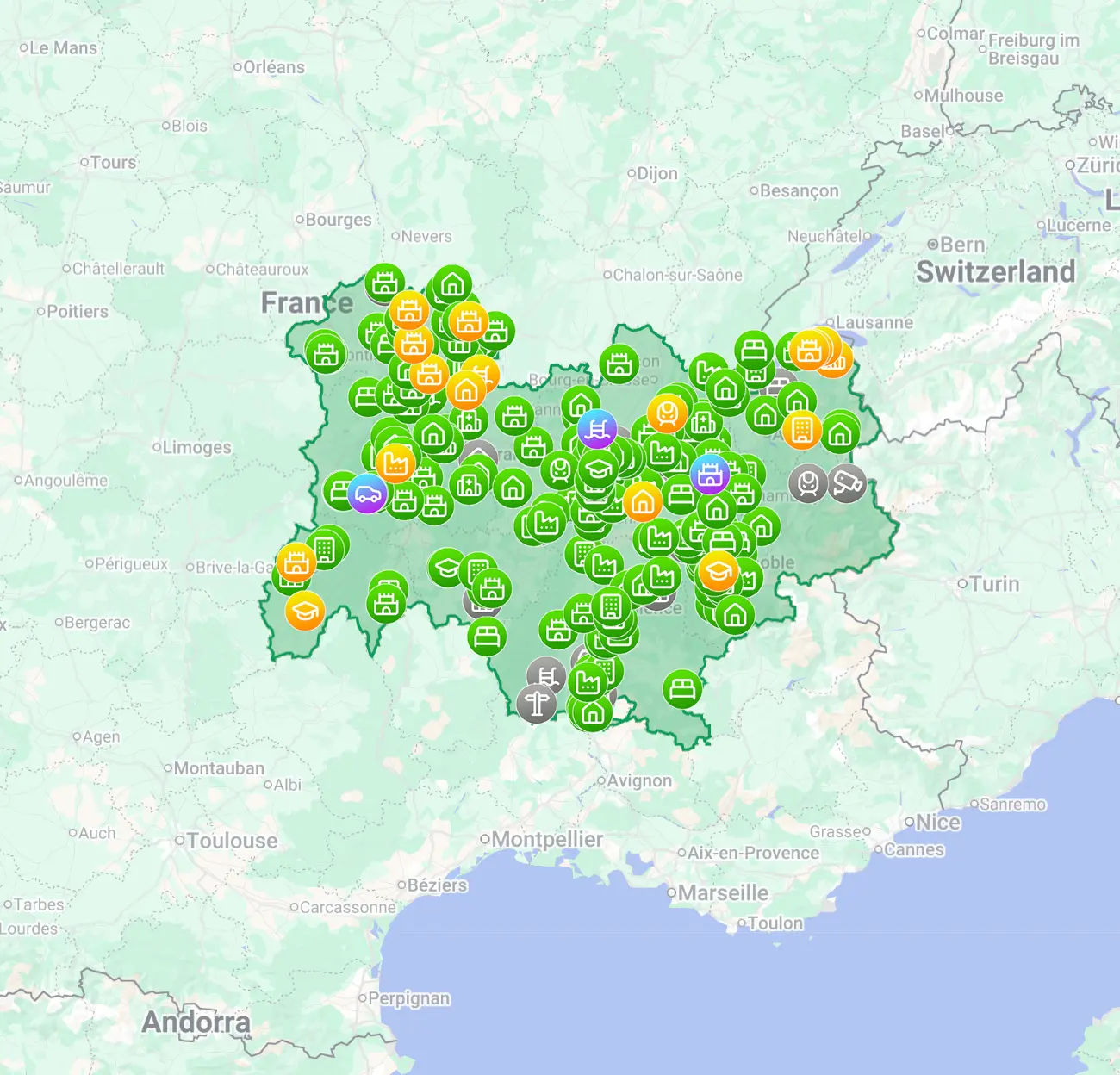
Abandoned castles and manors attract urbex photographers because they combine scale, decay, and history. They are also among the most sensitive places to research, because ownership, structural stability, and preservation status can change quickly.
This guide explains what makes an abandoned castle or manor worth prioritizing, which 12 types of sites usually deliver the strongest experience, and how to plan responsibly. For broader trip planning, Browse all urbex maps.
Which urbex castles and abandoned manors are worth visiting?
If you want urbex castles and abandoned manors worth visiting, prioritize verified sites with architectural value, recent status checks, and a clear understanding of access conditions. The best targets are not simply the most ruined estates. They are places that can be documented responsibly, approached safely, and protected by careful visitor behavior.
Quick summary
- Focus on castles and manors with recent reports, not outdated legends.
- The best sites combine architecture, layered interiors, and reliable access information.
- Verify ownership, current sealing, and redevelopment risk before traveling.
- Never force entry, bypass barriers, or damage historic fabric.
- Curated maps save time because they filter out vanished, demolished, or unsafe listings.
- Start with the free map, then narrow by region and building type.
Quick facts
- Primary use case: photography, architecture study, atmosphere, and trip planning
- Best building types: hilltop ruins, neo-Gothic manors, fortified estates, and closed-but-standing châteaux
- Main risks: floors, roofs, staircases, asbestos, sealed access, and private security
- Best research method: recent reports, mapped coordinates, and legal context
- MapUrbex approach: verified locations, responsible urbex, curated maps, preservation-first
What makes an abandoned castle or manor a strong urbex destination?
A strong urbex castle or manor offers more than decay. It combines heritage value, visual variety, and reliable planning data. In practice, that means a site should have identifiable architecture, a usable exterior approach, and recent information that reduces wasted travel.
| Criterion | Why it matters | What to check |
|---|---|---|
| Architectural character | Towers, stair halls, chapels, salons, and stonework create depth | Photos, recent descriptions, era of construction |
| Preservation state | Fully collapsed sites often disappoint and can be unsafe | Roof condition, intact rooms, blocked wings |
| Access status | Legal context changes the whole trip | Ownership, fencing, signs, public viewpoints |
| Update frequency | Many famous places are already sealed or gone | Date of last report, demolition risk |
| Surroundings | Grounds can be as valuable as interiors | Parkland, stables, gatehouses, formal gardens |
Many explorers overvalue fame and undervalue reliability. A lesser-known manor with current verification is often better than a legendary castle with no recent confirmation. If you want to refine research methods, see How to Use Google Maps to Find Abandoned Places Responsibly.
Which 12 types of abandoned castles and manors should you look for?
The 12 best categories to look for are the ones that preserve atmosphere without relying on myth. They usually provide strong façades, readable layouts, and enough surviving detail to reward careful photography.
-
Hilltop stone castles These often deliver the strongest exterior drama. Even when interiors are limited, towers, curtain walls, and surrounding views create high photographic value.
-
Neo-Gothic manor houses Pointed windows, decorative woodwork, and long corridors make these especially popular. They often look cinematic even in partial decay.
-
Abandoned country châteaux Large reception rooms, staircases, and overgrown approaches make them classic urbex subjects. They are best when the façade and central hall still read clearly.
-
Fortified manor houses These smaller estates balance domestic scale with defensive features. They are often easier to understand architecturally than very large castles.
-
Seaside castles and villas Coastal moisture accelerates decay, which can produce striking textures. They also change quickly, so status verification is essential.
-
Forest hunting lodges Remote settings add atmosphere, but they also increase safety and access issues. Go only with solid research and without crossing restricted land.
-
Monastic estates converted into residences These hybrid sites often include cloisters, chapels, and formal gardens. They are rich in historical layers.
-
Partly restored but currently closed castles These can be visually rewarding from the exterior and may reopen or reseal quickly. They are useful for trip planning, but not for assumptions about entry.
-
Fire-damaged mansions These sites can be visually dramatic, but they are among the riskiest. Charred floors and hidden collapse zones require extreme caution, and many are best documented from outside only.
-
Ballroom estates and reception mansions When ceilings, mirrors, or wall panels survive, they offer some of the most memorable interiors. They also deteriorate fast once open to weather.
-
Industrial-era baronial homes Built by mine, rail, or textile owners, these houses often combine grandeur with local history. They are strong choices for documentary photography.
-
Walled domains with stables and chapels Sometimes the secondary buildings are the real highlight. Gatehouses, carriage rooms, and chapels often survive longer than the main residence.
A practical rule is simple: prioritize layered sites over empty shells. A manor with grounds, service buildings, and traceable history usually gives better results than a single photogenic façade.
How should you evaluate access, ownership, and safety before planning a visit?
You should treat access, ownership, and safety as the first filter, not the final step. A visually impressive château is never worth a trespassing charge, a forced entry, or a serious injury.
Use this checklist before you travel:
- Confirm whether the site is private, municipal, protected, or under redevelopment.
- Check for recent sealing, fencing, cameras, or caretaker presence.
- Look for public-road or public-path viewpoints if access is restricted.
- Avoid roofs, upper floors, cellars, and staircases with visible movement or fire damage.
- Never break locks, cut fences, or bypass barriers.
- Leave objects where they are. Preservation matters more than content creation.
If you want a broader research workflow, How to Use Google Maps to Find Abandoned Places explains the discovery side, while recent status changes are covered in Abandoned Places That Disappeared in 2025: Demolished, Reused, or Sealed.
Why do so many abandoned castles and manors disappear from lists?
Many abandoned castles and manors disappear from lists because they are demolished, repurposed, sealed, or removed from public circulation after overexposure. Static listicles age fast. That is why verification matters more than hype.
Three common reasons explain the turnover:
- Redevelopment: estates are bought, stabilized, and converted into hotels, homes, or event venues.
- Security upgrades: fencing, boarding, alarms, and patrols change the access picture overnight.
- Structural loss: storms, fire, water ingress, and vandalism can make a known site unusable within months.
The practical lesson is clear. Treat any old forum post or reused social image as unconfirmed until a recent source supports it.
How can MapUrbex help you find better urbex locations faster?
MapUrbex helps by organizing verified locations, filtering by region and type, and prioritizing useful planning data over rumor. That makes it easier to find abandoned castles, abandoned manors, and other urbex locations without spending hours sorting outdated posts.
Start with the free entry point if you want to test the workflow, then expand to curated maps for deeper trip planning. You can also Browse all urbex maps if you already know the region you want to explore.
FAQ
Are abandoned castles better than abandoned manors for urbex photography?
Not automatically. Castles often deliver stronger exteriors, while manors more often preserve readable domestic interiors. The better choice depends on whether you want scale, decoration, landscape, or historical detail.
Can you legally visit abandoned castles and manors?
Sometimes, but not by default. Many are private property or protected heritage sites. Legal visits usually depend on owner permission, public access routes, official opening days, or exterior-only viewpoints from public land.
What is the best season for visiting abandoned castles and manors?
Late autumn, winter, and early spring are often best for visibility because vegetation is lower. However, wet weather can increase slipping risks, and cold conditions can worsen already unstable structures.
How do you know whether a château is still abandoned?
You do not know from old photos alone. Check recent reports, current map data, redevelopment news, and multiple independent signs that the site still exists in the same condition.
Should beginners start with castles and manors?
Usually not. Large heritage buildings are visually appealing, but they often involve distance, unstable floors, and complex ownership. Beginners are better served by easy exterior documentation and recently verified, lower-risk sites.
Conclusion
Urbex castles and abandoned manors are compelling because they combine architecture, history, and atmosphere in one place. The best ones are not simply the most famous. They are the sites with recent verification, clear planning data, and conditions that allow responsible documentation.
Use curated information, respect property and heritage rules, and accept that some locations are best admired from outside. That approach protects both the place and the people visiting it.
Access the free urbex map
