 MapUrbex
Learn how to find abandoned buildings near you with safer methods, better verification, and responsible urbex rules.
Abandoned Buildings Near Me: How to Find Them Responsibly
Searching for abandoned buildings near me usually starts with curiosity. People want old factories, empty houses, bunkers, schools, and forgotten infrastructure. The problem is that most online tips are vague, outdated, or unsafe.
A better approach is to combine research, verification, and legal awareness. That is where MapUrbex is useful: curated maps, verified locations, and a preservation-first approach that treats abandoned places as cultural traces, not disposable content.
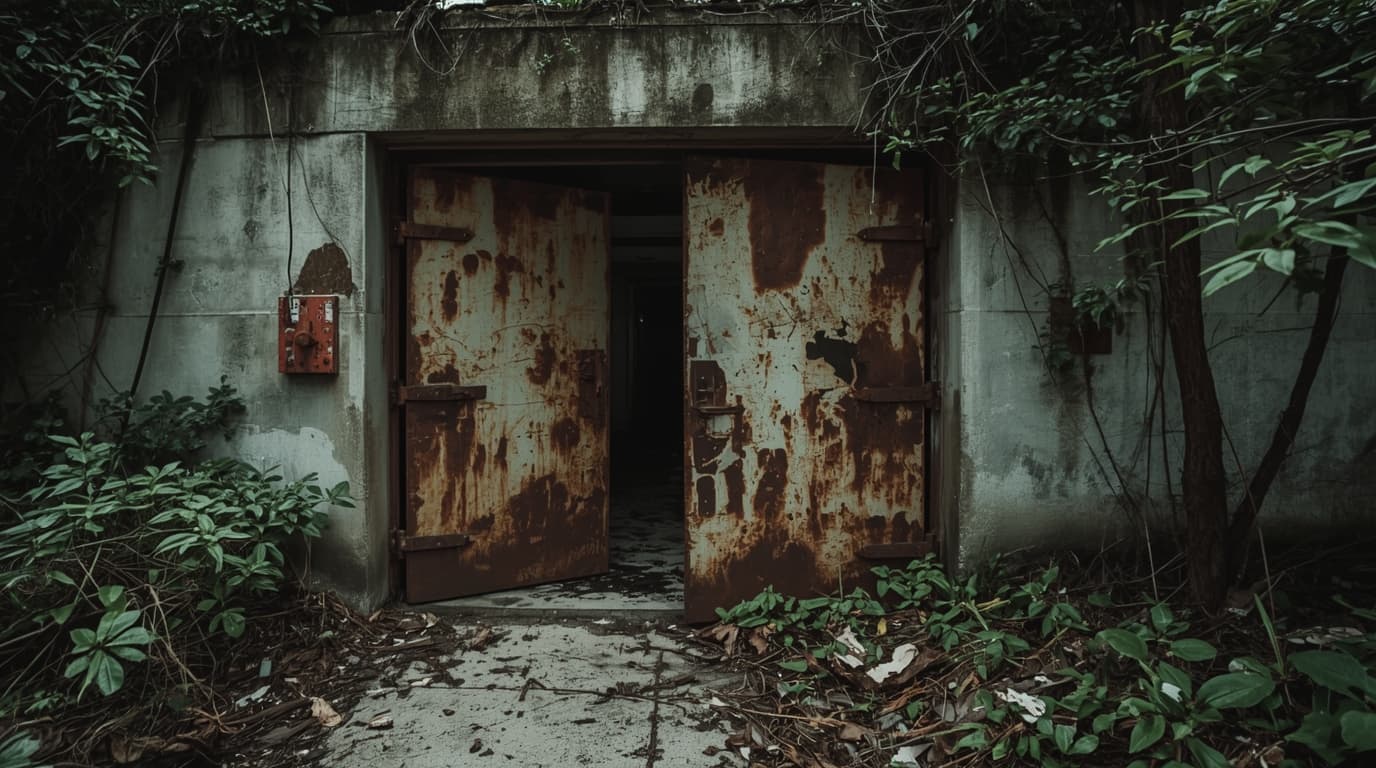
How can I find abandoned buildings near me responsibly?
The best way to find abandoned buildings near you is to use verified urbex maps, historical research, satellite imagery, and local records, then confirm whether a place is truly abandoned and legally accessible. Responsible urbex means no forced entry, no trespassing, no vandalism, and no public posting of sensitive coordinates that could accelerate damage.
Quick summary
- Start with verified sources instead of random social posts.
- Confirm that a site is truly abandoned, not simply vacant or under renovation.
- Check ownership, access status, and obvious safety risks before any visit.
- Prefer curated tools such as Browse all urbex maps and research guides like How to Find Abandoned Places Responsibly.
- Never force access, break locks, or enter unstable structures.
- Protect locations by sharing responsibly and leaving no trace.
Quick facts
- Common abandoned sites include factories, hospitals, schools, military structures, farms, hotels, and transport infrastructure.
- The phrase "abandoned buildings near me" often includes both legal viewpoints and unauthorized urbex content. They are not the same.
- A place can look abandoned and still be actively monitored, privately owned, or scheduled for redevelopment.
- Satellite view helps identify site scale, but it does not confirm legal access.
- The most reliable workflow is research first, field check second, entry only if lawful and permitted.
Which places are most often listed as abandoned buildings near me?
The places most often found in local searches are disused industrial sites, empty rural buildings, former institutions, military remnants, and transport facilities. These locations are easier to notice because they are large, visible, and often discussed in local memory.
Typical categories include:
- factories and warehouses
- schools and hospitals
- hotels and resorts
- farmhouses and barns
- train depots and stations
- bunkers, forts, and military remains
- mines, quarries, and utility structures
Not every neglected building is abandoned. Some are temporarily vacant, secured, or awaiting demolition. That distinction matters for both legality and safety.
What is the safest way to verify an abandoned location?
The safest way to verify a location is to compare several sources before you go. One clue is never enough, because empty windows, graffiti, or overgrown vegetation can be misleading.
| Source | What it tells you | Main limitation |
|---|---|---|
| Satellite imagery | Site size, roof condition, access roads, surrounding hazards | Images may be old |
| Street-level view | Entrances, fencing, visible occupancy signs | Coverage may be missing or outdated |
| Local archives and news | Closure dates, redevelopment plans, historical context | Information can be fragmented |
| Curated urbex maps | Community-checked status and practical notes | Quality depends on verification standards |
Good verification questions are simple:
- Is the building actually unused?
- Is the land private, public, or restricted?
- Are there signs of renovation, security, or active storage?
- Is there any lawful way to access or view it?
If those answers are unclear, treat the site as off-limits.
Which tools help you find abandoned places without guessing?
The most useful tools are curated maps, archive searches, satellite imagery, and regional history sources. Together, they reduce guesswork and help you avoid inaccurate or risky locations.
A practical research stack looks like this:
- Start with Access the free urbex map for a broad overview.
- Compare with Best Urbex Maps in the World: Where to Find Verified Locations to understand what good map quality looks like.
- Read How to Find Abandoned Places Responsibly for a repeatable research method.
- Use local history forums, planning documents, and closure reports to confirm the story of the site.
If you want an example of how local context changes urbex practice, Urbex Tokyo: A Responsible Guide to Haikyo and Abandoned Places in Japan shows why ethics and cultural norms matter as much as coordinates.
Why are curated urbex maps better than random social posts?
Curated urbex maps are better because they filter noise. A random post may show a dramatic photo, but it rarely tells you whether the place is current, legal to access, dangerous, or already demolished.
A stronger map system does four things:
- checks whether a location still exists
- adds context instead of hype
- removes obvious duplicates and false pins
- supports responsible discovery instead of reckless exposure
This is especially important for global searches. "Urbex near me" can mean a house down the road, a sealed tunnel, or a protected heritage site. Without verification, searchers waste time or create risk.
What legal and ethical rules should you follow?
The essential rule is simple: never assume that abandoned means accessible. Ownership still exists, hazards still exist, and preservation still matters.
Responsible urbex means no trespassing, no forced entry, no theft, no vandalism, and no actions that increase damage to a fragile site.
Follow these basic rules:
- respect private property and local law
- do not climb unstable floors, roofs, or shafts
- do not enter alone when conditions are uncertain
- avoid publishing sensitive directions for vulnerable sites
- leave everything as found
- prioritize observation from lawful public viewpoints when access is unclear
How should you plan a visit if access is legal and permitted?
If a visit is lawful and permitted, plan it like a risk assessment, not a spontaneous adventure. Responsible preparation lowers the chance of injury and reduces harm to the site.
Checklist before you go:
- confirm permission or public access status
- check weather and daylight
- wear sturdy footwear and basic protective clothing
- carry a charged phone and tell someone your plan
- avoid touching unknown chemicals, wires, or sharp debris
- leave immediately if the structure feels unstable
For many places, the best visit is external only. A well-researched exterior survey can still document architecture, history, and change without crossing legal or safety lines.
FAQ
What counts as an abandoned building near me?
An abandoned building is generally a structure with no active use and no regular maintenance, but the term is informal. A vacant property, a building under renovation, and a derelict site are different categories and may have very different access rules.
Can I use Google Maps to find abandoned places?
Yes, but only as a starting point. Maps and satellite imagery help identify large sites, access roads, and surrounding terrain. They do not confirm ownership, current condition, or lawful access.
Is urbex near me always legal?
No. Even when a place looks empty, it may still be private property, monitored land, or a restricted area. Legal access depends on ownership, local law, and site-specific rules.
Should I share exact coordinates publicly?
Usually not for sensitive sites. Open coordinate sharing can increase vandalism, theft, and unsafe traffic. Responsible communities often share context selectively and protect fragile locations.
Are abandoned industrial sites more dangerous than houses?
Often yes. Industrial sites can contain asbestos, chemicals, deep drops, unstable metal, and hidden voids. Large complexes also make navigation and emergency exit harder.
Conclusion
Finding abandoned buildings near me is less about secret shortcuts and more about good research. The most reliable method is to verify locations, respect the law, and treat every site as a fragile record of the past.
If you want better results, use curated sources instead of rumors. That saves time, improves safety, and helps protect abandoned places from unnecessary damage.
Access the free urbex map
