 MapUrbex
Learn which checks matter before buying a verified urbex map: update dates, validation method, site status, curation, and reliability signals.
Verified Urbex Map: What Checks Should You Make Before Buying?
Buying a verified urbex map can save time, but not every map that claims to be verified is reliable.
Before you buy an urbex map, check how the locations were validated, how recently the map was updated, and whether access notes are presented responsibly. A reliable urbex map should reduce noise, not simply sell a large list of unconfirmed pins.
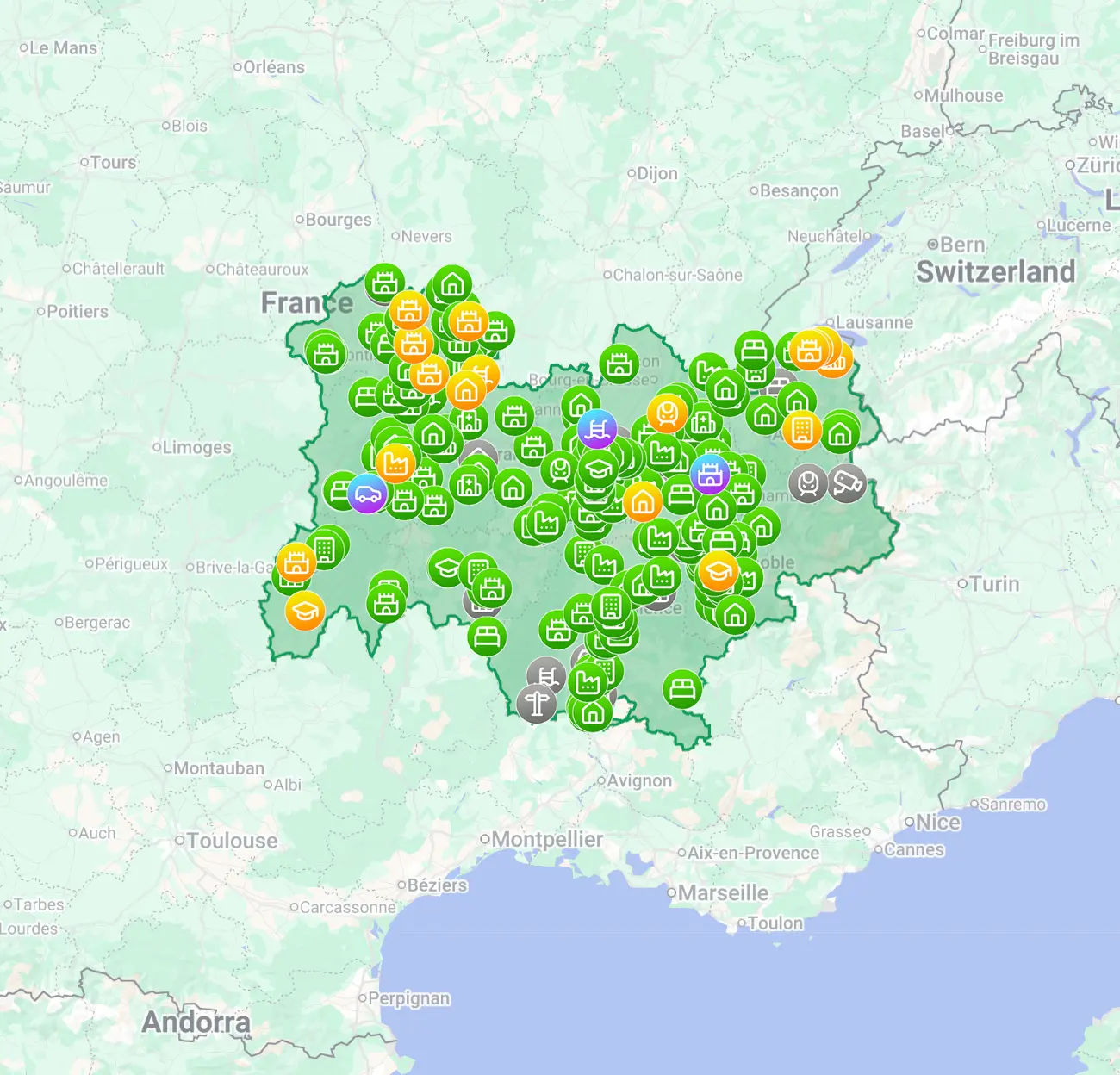
What checks should you make before buying a verified urbex map?
Before buying a verified urbex map, confirm five things: evidence that locations were checked, recent updates, clear notes on site status, transparent curation standards, and a realistic coverage scope. A trustworthy product explains what "verified" means. It does not rely on pin count alone, vague promises, or risky access advice.
Quick summary
- Check how verification is defined and whether it is explained clearly.
- Look for recent updates, not just a high number of pins.
- Prefer maps with context, filters, and duplicate cleanup.
- Avoid products that imply guaranteed access, legality, or safety.
- Compare the paid offer with a free sample before buying.
- Choose preservation-first maps that discourage trespassing and damage.
Quick facts
- Best for: explorers who want filtered, curated leads instead of random crowdsourced lists.
- Most important buying check: update recency plus proof of review.
- Biggest red flag: hundreds of pins with no date, no notes, and no curation method.
- Legal point: a verified location is not the same as legal permission to enter.
- Safety point: no map can remove structural, environmental, or security risks.
- Good starting point: compare features with Browse all urbex maps or test the free option first.
How do you verify that an urbex map is really verified?
A verified urbex map is credible when the seller explains how each location is checked and when that check happened. Verification should refer to the place itself, not to a marketing label.
Use this checklist before you pay:
| Check | Why it matters | What to look for |
|---|---|---|
| Verification method | Shows whether the seller actually reviewed the site | Mention of field checks, source cross-checking, photo review, or manual validation |
| Update date | Old data becomes unreliable fast | Recent updates, region-by-region revisions, or a visible maintenance cadence |
| Site status notes | Helps you avoid wasted trips | Notes about closure, demolition risk, security changes, or uncertain access conditions |
| Curation quality | Reduces duplicate or low-value pins | Filtering, categorization, and removal of outdated locations |
| Responsible-use policy | Signals brand seriousness | Clear advice against trespassing, forced entry, vandalism, and unsafe behavior |
| Sample transparency | Lets you assess quality before purchase | Preview pins, screenshots, or a free tier such as Access the free urbex map |
If the seller never explains the process, the word verified has little value.
Which checks before buying matter most?
The most important checks before buying are recency, traceability, and usefulness. A large database is not enough if the information is stale or generic.
Start with recency. Urbex data ages quickly because sites are demolished, sealed, redeveloped, or actively monitored. If the product does not show recent maintenance, assume some share of the map is outdated.
Then check traceability. You should be able to understand why a pin exists on the map. Good maps include categories, short context notes, or status indicators. Weak maps hide behind vague claims like "exclusive list" or "secret database."
Finally, check usefulness. A reliable urbex map helps you sort by region, type, or confidence level. It should help you plan research, not push you toward blind visits.
What are the main warning signs of an unreliable urbex map?
The clearest warning sign is a high pin count with very little detail. Quantity is easy to advertise. Verification is harder to prove.
Watch for these red flags:
- No explanation of what verified means.
- No visible update schedule or last-checked date.
- No distinction between demolished, active, sealed, or uncertain sites.
- Screenshots that show many markers but no usable notes.
- Claims that the map guarantees access or "easy entry."
- Content that encourages trespassing, theft, vandalism, or dangerous exploration.
- Copy that focuses only on secrecy, exclusivity, or urgency.
A reliable urbex map should help you avoid noise and dead leads. It should not market risk as a selling point.
How should you compare a paid map with a free urbex map?
You should compare the structure, accuracy signals, and curation depth. Price matters less than whether the paid version meaningfully improves on the free option.
A useful comparison framework is simple:
- Does the paid map include more recent verification?
- Does it add context instead of just extra pins?
- Does it remove duplicates and outdated entries?
- Does it offer better regional coverage or filters?
- Does it explain confidence levels or site status?
If you want a baseline, start with Access the free urbex map. Then compare the paid product against that experience. If the upgrade is only "more pins," be cautious.
For broader research habits, How to Find Abandoned Places Near You explains how to validate leads outside any single database.
Why do update frequency and curation matter so much?
Update frequency and curation matter because urbex data is unstable. A location can change status in weeks, not years.
Good curation does three practical things. First, it removes dead entries. Second, it groups sites in a usable way. Third, it adds enough context to help you decide whether the pin is worth researching further.
That is why a smaller, maintained map can be more valuable than a larger unreviewed one. In urbex, signal quality usually matters more than raw volume.
Does a verified urbex map guarantee legal access or safety?
No. A verified urbex map does not guarantee legal access, permission to enter, or physical safety. It only suggests that the location data has been reviewed to some standard.
Laws vary by country and site ownership. A building may exist and still be private, protected, occupied, hazardous, or actively secured.
Always respect local laws, private property, closures, and posted restrictions. Never force entry, bypass security, or damage a site. Responsible urbex starts with preservation and personal safety.
This is one of the strongest signs of a reliable urbex map: it separates location verification from legal access and on-site risk.
FAQ
Is a verified urbex map better than a public crowdsourced map?
Usually, yes, if the curation is real. A verified urbex map can save time by removing duplicates, stale leads, and obvious false positives. But it is only better when the review process is transparent and active.
How recent should updates be?
There is no universal rule, but recent maintenance is essential. For fast-changing urban areas, a map should show signs of ongoing review. Region-specific update notes are better than a vague promise of "regular updates."
Should I buy a map with exact coordinates for every site?
Not automatically. Exact coordinates are useful only when paired with context, status notes, and responsible-use guidance. Precision without curation can still lead to wasted trips or legal problems.
What if a map has many pins but little context?
Treat that as a warning sign. A huge map without notes often behaves like a dump of unfiltered leads. You are paying for curation, not just volume.
How can I verify an urbex map before I buy it?
Check for a sample, visible update logic, responsible-use language, and clear criteria for inclusion. If possible, compare it with Browse all urbex maps to see whether the offer is structured and realistic.
Conclusion
A verified urbex map is worth buying when it proves how locations are checked, how often the data is updated, and how responsibly the information is presented. The best product is not the one with the most pins. It is the one that helps you research faster, filter better, and avoid unreliable leads.
If you are deciding whether to buy an urbex map, focus on verification method, update recency, curation quality, and safety positioning. Those checks will tell you far more than any headline claim.
Want to test the quality before you commit?
Start with a free reference point, compare the level of curation, and only pay when the upgrade is clear.
Access the free urbex map
