 MapUrbex
A practical guide to urbex Tokyo and haikyo in Japan: legality, access, common site types, and how to research abandoned places responsibly.
Urbex Tokyo: Can You Explore Abandoned Places in Japan?
Tokyo is one of the most searched cities for urban exploration, but it is also one of the easiest places to misunderstand. Many people imagine large abandoned buildings hidden inside the city. In reality, most "urbex Tokyo" research quickly leads to questions about property law, safety, and the Japanese haikyo culture around abandoned places.
This guide explains what responsible urbex in Tokyo actually looks like. It focuses on legality, realistic site types, and how to research abandoned places in Japan without crossing legal or safety boundaries.
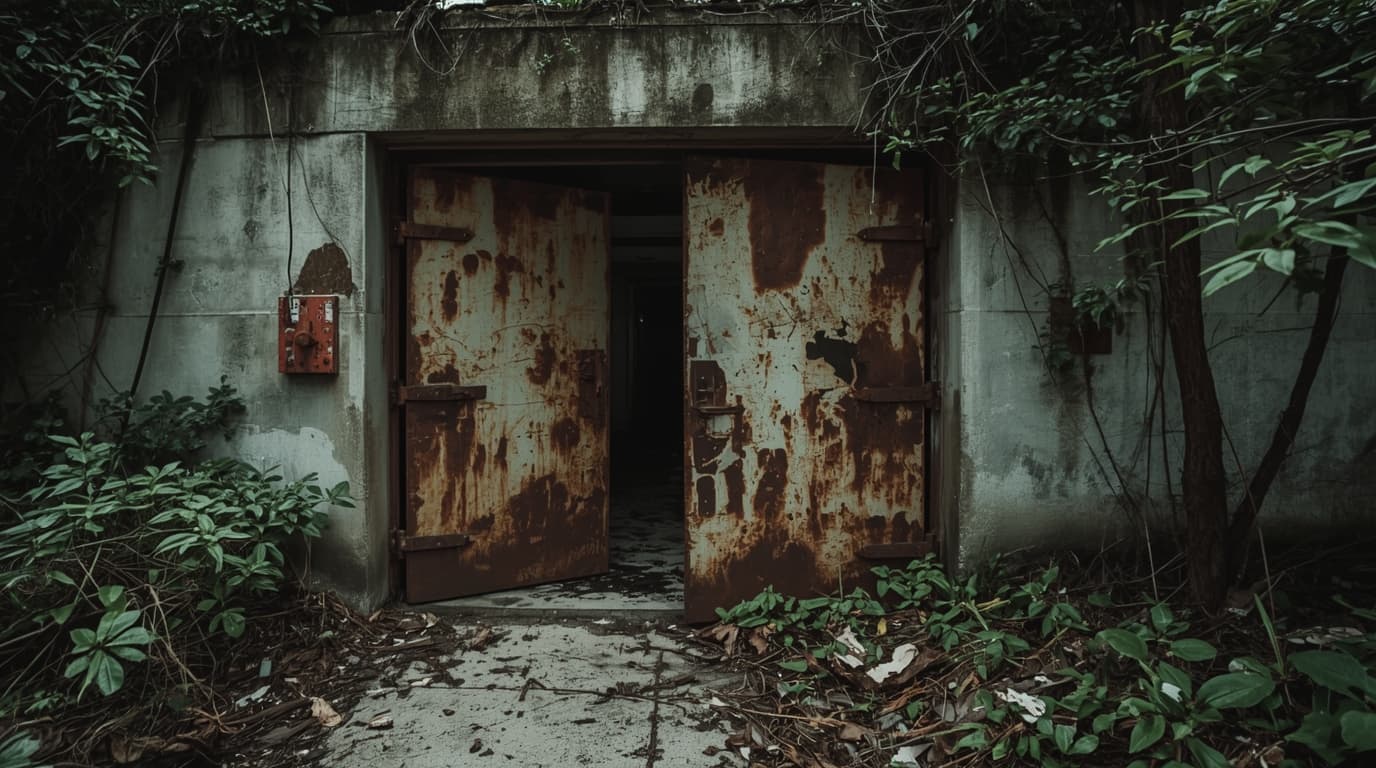
Can you explore abandoned places in Tokyo and Japan legally?
Yes, you can research abandoned places in Tokyo and Japan, but entering them is only lawful when you have permission and a safe, legal route. Most haikyo sites are still private property, and fences, signs, locks, or active ownership mean you should not enter. Responsible urbex in Japan starts with observation, verification, and restraint.
Quick summary
- Urbex Tokyo usually involves strict legal and access limits, not easy city-center entry.
- In Japan, many abandoned places are still privately owned even when they look unused.
- The term haikyo is commonly used for ruins, abandoned hotels, houses, and industrial remnants.
- Tokyo-area sites are often found on the metropolitan edge rather than in central districts.
- The safest approach is research-first: verify ownership, respect barriers, and avoid forced access.
- MapUrbex prioritizes verified information, preservation, and curated maps over risky coordinate sharing.
Quick facts
- Primary area: Tokyo and the wider metropolitan region
- Topic type: Informational guide to urbex Tokyo and urbex in Japan
- Common local term: Haikyo
- Typical site categories: Hotels, houses, industrial buildings, leisure ruins, bunkers
- Main legal issue: Trespass and unauthorized entry onto private property
- Best practice: Research from public information, use curated sources, and never force access
Why is urbex Tokyo often described through the word "haikyo"?
Urbex Tokyo is often described through the word haikyo because that term is widely used in Japan for ruins and abandoned places. It does not automatically mean a place is legal to enter. It is a cultural and descriptive term, not a permission slip.
In practice, haikyo can refer to abandoned hotels, shuttered houses, industrial leftovers, closed leisure sites, and military remnants. Many international explorers search for "urbex Tokyo," while local or bilingual research often uses haikyo-related language.
That matters for research. If you want better context on the scene, site history, and expectations, start with broad educational resources before looking for specific locations. MapUrbex also recommends reading How to Start Urbex: A Beginner's Guide to Urban Exploration before attempting any field visit.
Why are abandoned places in Tokyo harder to access than many visitors expect?
Abandoned places in Tokyo are harder to access than many visitors expect because central land values are high, redevelopment is constant, and many sites are sealed, demolished, monitored, or repurposed quickly. The image of a city full of easy ruins is misleading.
Inside central Tokyo, truly abandoned buildings are relatively rare and often short-lived. Sites that appear empty may still be under active ownership, pending demolition, or used for storage. Some are also in residential neighborhoods where entering would be immediately visible and disruptive.
The broader Tokyo region is different. As you move toward outer suburbs, mountain corridors, or older resort zones, you are more likely to find the kinds of places associated with abandoned places in Tokyo searches. Even there, however, access conditions change fast.
Is urbex legal in Japan?
Urbex in Japan is not automatically legal. The key issue is not whether a building looks abandoned, but whether you have lawful permission to enter and whether the route is safe and authorized.
Japan takes property boundaries seriously. A neglected structure can still be privately owned, supervised, or protected. If a site is fenced, locked, signed, occupied, patrolled, or clearly closed, a responsible explorer should stop there.
The table below summarizes the practical rule set most people should follow.
| Situation | Likely issue | Responsible approach |
|---|---|---|
| Empty-looking building with no visible activity | Ownership still likely exists | Do not assume entry is allowed |
| Fence, gate, lock, or warning sign | Clear restriction on access | Stay out |
| Rural ruin with unclear boundaries | Ownership and safety unclear | Research first; do not improvise entry |
| Site visible from a public road | Photography may still be possible from lawful public space | Stay outside property lines |
| Building with open door or broken window | Opening does not equal permission | Do not enter |
| Popular coordinates shared online | Information may be outdated or irresponsible | Verify with trusted sources only |
For most travelers, the safest summary is simple: you may legally observe from public space and research site history, but you should only enter if you have explicit permission. That is also the preservation-first standard MapUrbex supports.
Which abandoned places around Tokyo are most realistic to research?
The most realistic abandoned places to research around Tokyo are usually on the metropolitan edge, not in the busiest city-center districts. They tend to fall into a few recurring categories, each with different risks, visibility, and preservation concerns.
If you want examples and broader regional context, the best next step is to read Top 10 Abandoned Places in Tokyo: Haikyo Sites, Hotels, and Ruins and then Browse all urbex maps to compare areas rather than chasing random coordinates.
1. Closed hotels and ryokan on outer mountain routes
Closed hotels and ryokan are among the most recognizable forms of haikyo near Tokyo. They are often tied to older tourism corridors, declining resort activity, or changing travel patterns.
These sites attract attention because they can be large and photogenic. They are also frequently private, structurally degraded, and sometimes watched by neighbors, caretakers, or security. In other words, they are better treated as research subjects than casual entry targets.
2. Abandoned houses in shrinking commuter areas
Abandoned houses exist in the greater Tokyo region, especially in places affected by aging populations or local decline. They may look small and harmless, but they are often the most sensitive sites from a legal and ethical perspective.
A house is not just a ruin. It may contain personal effects, have active heirs, or sit inside a still-lived-in neighborhood. That makes quiet observation from lawful public space far more responsible than intrusion.
3. Industrial fringe buildings and warehouses
Industrial fringe sites include small factories, storage buildings, workshops, and warehouse remnants. These appear in waterfront, suburban, or logistics-adjacent areas rather than major tourist districts.
They can look vacant while still belonging to active firms, municipalities, or redevelopment projects. They also carry common urbex hazards such as unstable floors, contamination, sharp debris, and surveillance. If access is unclear, the answer is to avoid entry.
4. Leisure ruins on the metropolitan edge
Leisure ruins include closed restaurants, roadside attractions, small amusement remnants, and resort facilities. These sites are common in online discussions because they combine history, design, and atmosphere.
They are also highly variable. Some disappear quickly. Others are fenced for years. Public photos can make them seem open when they are not. A responsible researcher treats every shared image as time-sensitive, not as proof of legal access.
5. Bunkers, tunnels, and military remnants
Bunkers, tunnels, and other defensive remnants are some of the most visually striking abandoned places in Japan. They also present some of the highest safety risks.
These locations may involve restricted land, unstable concrete, water, poor air quality, vertical drops, or heritage concerns. They should never be approached casually, and they are a strong example of why preservation matters more than thrill-seeking.
How should beginners approach urbex Tokyo responsibly?
Beginners should approach urbex Tokyo as a research discipline first and a field activity second. That means learning the legal baseline, studying access conditions, and accepting that the correct decision is often not to enter.
A practical workflow looks like this:
- Start with educational material such as How to Start Urbex: A Beginner's Guide to Urban Exploration.
- Focus on site history, ownership clues, and public-space observation.
- Avoid locations that require climbing, forcing access, or crossing fences.
- Do not rely on old coordinates from social media.
- Prioritize daylight, weather awareness, and an exit plan.
- Leave no trace and never remove objects.
This is also where curated platforms help. Instead of chasing viral pins, use organized regional references and verified context.
Access the free urbex map
Where can you find reliable information on abandoned places in Tokyo?
Reliable information on abandoned places in Tokyo usually comes from curated, cross-checked sources rather than social media drops. The best sources explain context, ownership uncertainty, and access limitations instead of simply publishing coordinates.
For broad planning, use Browse all urbex maps to understand regional distribution. For city-specific inspiration, consult Top 10 Abandoned Places in Tokyo: Haikyo Sites, Hotels, and Ruins. Those resources are more useful than random posts because they support comparison, not impulsive entry.
If you are researching the legality of urbex in Japan, treat any source that ignores permission, fencing, or safety as incomplete. Good information tells you when not to go.
FAQ
Is urbex illegal in Tokyo?
Urbex is not a single legal category in Tokyo. The core question is whether you have permission to enter private property and whether access is lawful and safe. If a site is closed, fenced, locked, signed, or occupied, you should not enter.
Do abandoned buildings in Japan become free to enter once unused?
No. A building that looks abandoned can still be privately owned, monitored, inherited, or scheduled for redevelopment. Visual neglect does not cancel property rights.
Are most Tokyo haikyo sites inside the city center?
No. Many of the places discussed in urbex Tokyo searches are in outer districts, suburban edges, resort corridors, or the wider region around the capital. Central sites are less common and often disappear quickly.
What should you do if a place is fenced, signed, or still occupied?
You should stop and stay outside. A fence, warning notice, lock, or visible occupancy is a clear signal that entry is not appropriate. Responsible urbex means accepting that the visit ends there.
Is it okay to photograph an abandoned site from public space?
Often, yes, if you remain in lawful public space and respect privacy, traffic, and local rules. Public-space photography is very different from unauthorized entry. When in doubt, choose distance and discretion.
Conclusion
Urbex Tokyo is real, but it is not a shortcut to unrestricted access. In Japan, the most important rule is simple: abandoned does not mean ownerless. If you want to explore abandoned places in Japan responsibly, research matters more than bravado.
The best approach is to use verified context, respect barriers, and prioritize preservation. That is how you reduce legal risk, protect sites, and make better decisions in the field.
Access the free urbex map
