 MapUrbex
Plan urbex in Switzerland responsibly with 15 abandoned place types around Geneva, Zurich, and Lausanne, plus legal tips and a verified map.
Urbex Switzerland: 15 Abandoned Places to Explore Around Geneva, Zurich, and Lausanne
Switzerland is not the first country most people associate with abandoned places. Yet urbex Switzerland is richer than many expect, especially around old industrial belts, closed hotels, rail infrastructure, mountain facilities, and lakeside leisure sites.
The main challenge is not finding ruins in theory. It is finding locations that are still standing, still identifiable, and not already sealed, demolished, or converted.
This guide gives you a practical overview of 15 abandoned place types worth prioritizing in Switzerland, with a focus on urbex Geneva, urbex Zurich, and urbex Lausanne. It is written for responsible explorers who want verified information, not random coordinates copied from outdated forums.
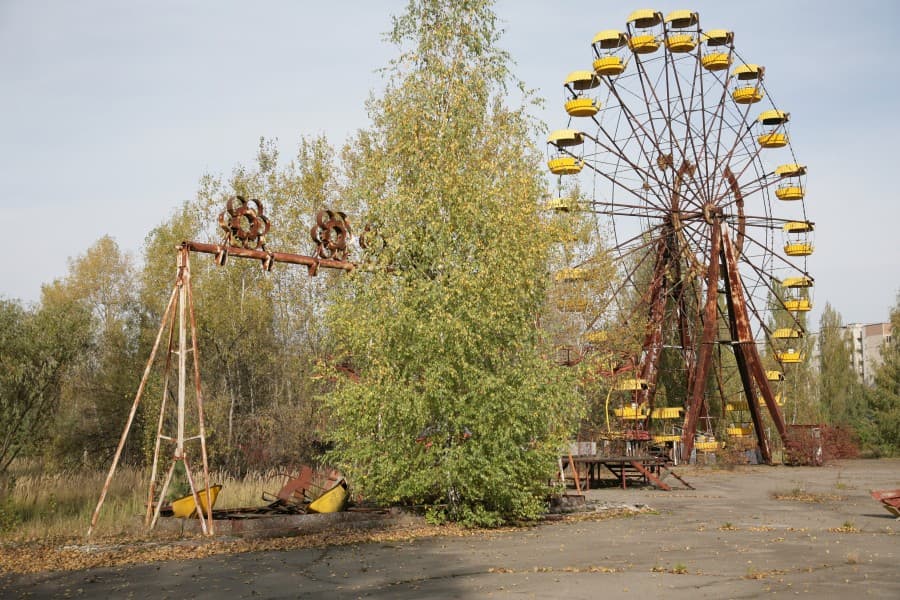
What are the best urbex spots in Switzerland?
The best urbex spots in Switzerland are usually former hotels, industrial buildings, rail sites, military remnants, sanatorium-style properties, and disused leisure venues concentrated around Geneva, Zurich, Lausanne, the Jura arc, Valais, and Ticino. Exact access changes quickly, so a verified map with current status and safety notes is the most reliable way to plan.
Quick summary
- Switzerland has fewer mega-ruins than France or Belgium, but it has many high-quality abandoned sites with strong historical value.
- The best zones for abandoned places in Switzerland are Geneva, Zurich, Lausanne, Winterthur, the Jura, Valais, and selected alpine corridors.
- Urbex Geneva often means warehouses, border-industrial sites, and lakeside hospitality buildings.
- Urbex Zurich is strongest for former factories, depots, workshops, and suburban industrial shells.
- Urbex Lausanne stands out for hillside institutions, railway-adjacent structures, and old leisure buildings near the lake.
- Always check legal status, ownership, active security, and structural condition before any visit. Responsible urbex never means forced entry.
Quick facts
| Fact | Details |
|---|---|
| Country focus | Switzerland |
| Best-known city clusters | Geneva, Zurich, Lausanne, Winterthur |
| Common site types | Hotels, factories, depots, workshops, sanatoriums, military structures |
| Best use case | Planning a curated, verified urbex route rather than chasing random pins |
| Main risk | Demolition, sealing, redevelopment, or private-property restrictions |
| Best planning tool | A live, curated urbex map with updated access notes |
Which abandoned places in Switzerland should you prioritize?
The best strategy is to prioritize place types and regions, not myths about one permanently open spot. In Switzerland, status changes fast. A strong list starts with cities and corridors where industrial decline, tourism change, or infrastructure replacement left behind visible remains.
| # | Area | Typical abandoned place | Why it stands out |
|---|---|---|---|
| 1 | Geneva lakeside zone | Closed hotels and leisure buildings | Good architecture, strong atmosphere, frequent redevelopment pressure |
| 2 | Geneva industrial belt | Former depots and workshops | Classic urbex Geneva material with transport history |
| 3 | Geneva border fringe | Warehouses and service buildings | Often overlooked, practical, and fast-changing |
| 4 | Lausanne hills | Sanatorium-style institutions | Large volumes, medical history, strong visual character |
| 5 | Lausanne rail corridors | Workshops and storage buildings | One of the best routes for urbex Lausanne research |
| 6 | Lausanne lakeside zone | Leisure pavilions and former venues | Good for architecture-focused exploration |
| 7 | Zurich industrial districts | Textile and machine factories | Core urbex Zurich territory |
| 8 | Zurich transport edge | Utility sites and depots | Strong documentary value and urban context |
| 9 | Zurich outer suburbs | Smaller factories and offices | Often more realistic than famous central rumors |
| 10 | Winterthur | Machine halls and industrial campuses | One of the deepest industrial histories in the country |
| 11 | Jura arc | Watchmaking workshops | Uniquely Swiss, often small but historically important |
| 12 | Valais | Closed alpine hotels and clinics | Seasonal atmosphere and tourism history |
| 13 | Ticino | Roadside inns and customs-related buildings | Cross-border character and varied architecture |
| 14 | Bernese Oberland | Service buildings near old transport lines | Scenic context, smaller-scale sites |
| 15 | Mountain passes | Bunkers and logistics remnants | Military history, but legal access varies heavily |
These are target zones, not promises of lawful entry. In Switzerland, an abandoned building can be visible, mapped, and still not be legally visitable.
Where should you focus for urbex Geneva, urbex Zurich, and urbex Lausanne?
If your trip is city-based, focus on Geneva for mixed industrial and hospitality ruins, Zurich for classic factories and depots, and Lausanne for institutional and railway-adjacent sites. Those three cities give the best balance between density, architectural variety, and practical trip planning.
Geneva: look for industrial edges, service corridors, and older hospitality properties around the wider urban area rather than expecting one famous central ruin. For city-level research, see Top 10 Swiss Cities With the Most Abandoned Places.
Zurich: prioritize former production districts, depots, and suburban industrial buildings. Urbex Zurich is less about one iconic ruin and more about a strong concentration of mid-sized abandoned structures.
Lausanne: focus on slopes above the lake, transport-related buildings, and former institutions. Urbex Lausanne is especially rewarding when you want photogenic exteriors, layered history, and compact day-trip logistics.
Outside those three cities, Winterthur is a serious industrial option, while Valais and alpine regions work better for hotel, clinic, and infrastructure themes. If that is your style, Abandoned Hotels and Casinos: The Most Beautiful Luxury Urbex Spots offers useful context.
How can you do urbex in Switzerland responsibly and legally?
Responsible urbex in Switzerland means treating legality, safety, and preservation as non-negotiable. Many abandoned places in Switzerland are on private land, under surveillance, structurally damaged, or already in redevelopment pipelines.
Follow these rules before any trip:
- Never force doors, cut fences, climb sealed barriers, or bypass active security.
- Check whether the site is private property, protected heritage, or an active redevelopment zone.
- Prefer documented viewpoints, exterior photography, or permission-based access.
- Do not publish fresh coordinates publicly if the site is fragile, residential-adjacent, or vandalism-prone.
- Leave everything untouched. Responsible urbex is observation, not extraction.
- Recheck status shortly before departure because Swiss sites can change very quickly.
This is exactly why generic internet lists age badly. A location can be excellent one month and inaccessible the next.
Why use a verified urbex map for Switzerland?
A verified urbex map saves time because it filters out demolished sites, false leads, and places that were never practical to begin with. For transactional searches such as urbex Switzerland, that is often more useful than a long list of rumors.
MapUrbex is built around verified locations, preservation-first notes, and curated planning. You can Browse all urbex maps if you want a broader Europe overview, or compare Switzerland with regional themes such as Abandoned Villages in Europe: 6 Ghost Towns, Their History, and Responsible Urbex.
FAQ
Is urbex legal in Switzerland?
Urbex is not automatically legal in Switzerland. The decisive factors are ownership, permission, local restrictions, and whether access requires trespassing or bypassing security. If entry is not clearly lawful, do not assume it is allowed.
What kinds of abandoned places are most common in Switzerland?
The most common Swiss urbex categories are former hotels, industrial workshops, warehouses, depots, clinics, watchmaking buildings, and small transport-related structures. Large, permanently open mega-sites are less common than in some neighboring countries.
Are Geneva, Zurich, and Lausanne good cities for beginners?
Yes, if your goal is research efficiency rather than extreme exploration. Geneva, Zurich, and Lausanne offer better transport, more documented urban history, and a wider range of exterior-view or low-commitment locations than remote mountain sites.
Why do Swiss abandoned places disappear from lists so quickly?
Because redevelopment is fast, security is often strict, and many sites are small. A building may be demolished, converted, sealed, or partially reused with very little notice.
Should you share exact coordinates publicly?
Usually no. Publicly dropping exact coordinates can accelerate vandalism, theft, and unsafe copycat visits. Preservation-first mapping is more responsible than open coordinate dumping.
Conclusion
Urbex Switzerland is best approached as a curated search, not a treasure hunt based on outdated rumors. Geneva, Zurich, and Lausanne remain the strongest starting points, with Winterthur, the Jura, Valais, and alpine corridors adding depth for more specialized trips.
If you want better results, use verified information, respect property and safety limits, and prioritize preservation over access. That approach protects both the places and the people visiting them.
Access the free urbex map
