 MapUrbex
A practical guide to urbex in Rennes: what types of abandoned places you can find, how to prepare a visit, key safety rules, and how to use a verified map responsibly.
Urbex Rennes: Guide to Abandoned Places and Safety Checklist
Rennes and its surroundings attract urban explorers because the area mixes old rural properties, empty industrial buildings, disused houses, and scattered heritage sites. That variety makes urbex Rennes interesting, but it also makes preparation essential.
An abandoned place is not automatically safe, legal to enter, or stable enough to explore. The best urbex approach in Rennes is careful, discreet, and preservation-first.
This guide explains what kinds of abandoned places are typically found in and around Rennes, how to plan a visit responsibly, and which safety checks matter most before you go.
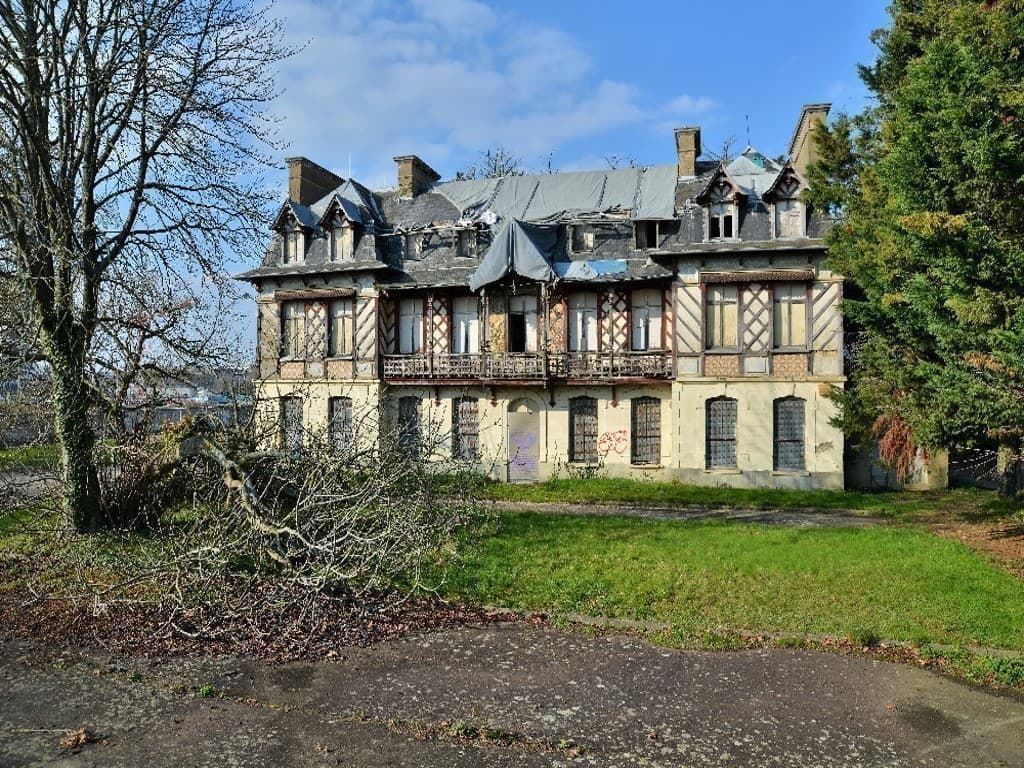
Where can you find abandoned places for urbex in Rennes?
You can find abandoned places for urbex in Rennes mostly on the outskirts, in nearby communes, and in the wider countryside rather than in the dense historic center. Typical sites include old farms, empty houses, manor houses, industrial remains, and occasional institutional buildings. The responsible method is to use verified listings, avoid publishing access details, and never cross legal or physical boundaries.
Quick summary
- Urbex Rennes is more about the wider metro area and nearby countryside than the city center itself.
- The most common site types are farm buildings, vacant homes, industrial remains, and old estates.
- Safety matters more than rarity: unstable floors, moisture, glass, and hidden hazards are common.
- In France, abandonment does not cancel ownership or access restrictions.
- A verified map reduces wasted trips and helps you filter places more responsibly.
Quick facts
- Primary area: Rennes and nearby communes in Ille-et-Vilaine
- Typical site types: houses, farms, manors, workshops, light industrial buildings
- Main risks: rot, water damage, falling debris, broken glass, asbestos, legal issues
- Best time to scout: daylight, dry weather, with enough time to leave before dusk
- Recommended approach: small group, charged phone, offline route, no forced entry
- Best planning tool: a curated map with recent status notes and responsible access habits
What types of abandoned places can you find in Rennes and around it?
Around Rennes, the most common abandoned places are rural and peri-urban properties rather than massive inner-city complexes. That means many explorers encounter smaller sites with uneven maintenance histories instead of large, predictable industrial shells.
In practice, the local landscape often includes:
- Vacant houses and cottages left empty after inheritance, sale failure, or relocation
- Old farms and outbuildings with barns, sheds, and partially collapsed storage areas
- Disused workshops or depots on former activity zones or village edges
- Manor houses and small estates that are visually striking but often structurally fragile
- Institutional remnants such as former schools, care facilities, or administrative buildings in the wider region
This matters because each category creates different risks. A manor house may look photogenic but hide rotten staircases. A farm may seem open but include hidden pits, corrugated roofs, or unstable lofts. A former workshop may contain metal edges, oil residue, or asbestos-containing materials.
For most visitors, the goal should not be to collect as many spots as possible. The better goal is to identify a few verified locations, understand their condition, and prioritize safe, low-impact exploration.
How should you prepare an urbex trip in Rennes?
You should prepare an urbex trip in Rennes by checking legality, weather, daylight, route access, and site condition before you leave home. Most preventable problems happen before entry: poor timing, bad footwear, no exit plan, or choosing a site after heavy rain.
A simple preparation process works well:
- Check recent information. A place can be sealed, demolished, occupied, or dangerous even if older reports say otherwise.
- Plan for daylight. Daylight improves footing, hazard detection, and orientation.
- Review weather. Rennes has frequent rain and damp conditions that worsen rot and slippery surfaces.
- Set a clear turnaround time. Do not let sunset decide when you leave.
- Share your plan with someone. Tell a trusted contact where you are going and when you expect to return.
- Charge your phone and save your route offline. Signal quality varies outside the city.
If you want a broader starting point, you can Browse all urbex maps or Access the free urbex map. Curated tools are useful because they help you reduce guesswork and avoid random, high-risk scouting.
What safety checklist should you follow before entering?
Before entering any abandoned place in Rennes, confirm that you can leave safely, that the structure looks stable from the outside, and that you have the minimum protective gear. If one basic safety condition fails, the right decision is to stop.
Here is a practical urbex safety checklist you can use:
| Checklist item | Why it matters in Rennes | Minimum standard |
|---|---|---|
| Footwear | Wet ground, mud, nails, glass, slippery interiors | Sturdy closed shoes or boots with grip |
| Lighting | Dark interiors and windowless rooms are common | Fully charged phone plus a flashlight |
| Gloves | Rust, splinters, broken materials | Simple protective gloves |
| Air quality awareness | Mold, dust, bird waste, possible asbestos | Do not disturb debris; leave if air feels unsafe |
| Weather check | Rain increases collapse and slip risk | Avoid entry after heavy rain or storms |
| Phone battery | Navigation and emergency contact | Start with a charged phone and battery saver |
| Exit plan | Panic and disorientation cause accidents | Know your route back before going in |
| Group size | Solo incidents are harder to manage | Prefer a pair or a small group |
| Clothing | Cuts and scrapes are common | Long sleeves and durable trousers |
| Legal check | Access restrictions still apply | Respect signs, fences, and closures |
A good checklist does not make a dangerous building safe. It only helps you rule out avoidable mistakes. If floors bounce, staircases move, ceilings sag, or air quality feels wrong, leave immediately.
Is urbex legal in Rennes?
Urbex in Rennes is not automatically legal just because a place looks abandoned. In France, ownership, posted restrictions, and local access rules still apply. If you do not have permission, you should not assume entry is allowed.
A few principles are important:
- Abandoned does not mean public. A neglected building can still be private property.
- Fences, locks, and signs matter. They are clear signals not to enter.
- Forced access is never acceptable. It is dangerous and contrary to responsible urbex.
- Some sites carry extra risk. Railway areas, active industrial perimeters, and utility infrastructure can involve serious legal and physical danger.
This article is not legal advice. It is a safety-first reminder that the best urbex practice is observation, documentation, and preservation, not boundary-pushing.
Should you explore alone or in a group around Rennes?
For most people, exploring in a pair or a small group is safer than solo urbex in Rennes. A second person helps with navigation, judgment, and emergency response without turning the visit into a noisy crowd.
A small group is usually the best balance because it improves safety while reducing visibility and disturbance. Solo exploration may feel simpler, but it increases risk if you slip, lose signal, or misread the structure.
If you want a deeper comparison, read Solo Urbex or Group Urbex: Pros and Cons for Safer Exploration.
How can you find abandoned places in Rennes responsibly?
You can find abandoned places in Rennes responsibly by using verified sources, recent status reports, and broad area research instead of chasing leaked coordinates. Responsible discovery protects both the explorer and the site.
A good method looks like this:
- start with a curated map rather than random social media reposts
- verify whether the place still exists and is still abandoned
- avoid asking for forced-entry details
- keep sensitive addresses private to reduce vandalism and theft
- prefer places with enough context to assess risk before visiting
MapUrbex focuses on verified locations and preservation-first use. That approach is more useful than viral location dumping because it favors reliability over hype. For broader guidance, see How to Find Secret Urbex Spots Responsibly.
Why does weather matter so much for abandoned places around Rennes?
Weather matters a lot around Rennes because moisture accelerates decay and makes already fragile surfaces less predictable. A site that seems manageable in dry conditions can become unsafe after rain.
In practical terms, wet weather can mean:
- slick moss on stone or concrete
- swollen wood and weaker floors
- leaks that hide ceiling damage
- muddy approaches and poor vehicle access
- colder interiors and faster fatigue
That is why dry daylight visits are the safer default. If the forecast is bad, postponing is often the best decision.
FAQ
What is the best season for urbex in Rennes?
Spring and early autumn are often the most practical seasons because daylight is decent and temperatures are manageable. Winter can work, but rain, mud, and early darkness increase difficulty.
Do beginners need special equipment for urbex in Rennes?
Beginners do not need expensive gear, but they do need basic protective equipment. Sturdy shoes, gloves, a charged phone, a flashlight, and weather-appropriate clothing are the minimum.
Are abandoned castles or manor houses near Rennes safer than industrial sites?
Not necessarily. Heritage buildings can be more fragile than they look. Decorative interiors, wooden staircases, and roof leaks often create hidden collapse risks.
Should you publish the exact address of an abandoned place in Rennes?
No. Publicly posting precise access information often increases vandalism, theft, and unsafe visits. Responsible urbex keeps sensitive details limited and prioritizes site preservation.
Can you do urbex in Rennes in bad weather if the site is easy to reach?
You should still be cautious. Easy access does not remove the risks created by wet floors, rotten wood, and poor visibility. Convenience is not the same as safety.
Conclusion
Urbex Rennes is best approached as a planning exercise, not a race for dramatic photos. The area offers real variety, but the most useful skills are judgment, restraint, and preparation.
If you want better results, use verified information, choose dry daylight windows, avoid fragile or restricted sites, and treat every place with respect. Responsible urbex protects both you and the locations you visit.
Access the free urbex map
