 MapUrbex
A practical selection of the best urbex podcasts and books to understand abandoned places, urbex culture, and responsible exploration.
Urbex Podcasts and Books: The Best Picks to Go Deeper
Urbex becomes more meaningful when you understand more than a location name. The best resources add history, photography ethics, architecture, and legal caution.
That is why good urbex podcasts and books matter. They help you read a place, verify context, and avoid the shallow checklist approach that often leads to risky or disrespectful behavior.
What are the best urbex podcasts and books to go deeper?
The best urbex podcasts and books are the ones that combine place history, visual analysis, field ethics, and preservation. In practice, the strongest selection usually includes narrative podcasts about architecture and abandoned sites, interviews with photographers and historians, photo books with essays, and local industrial or urban history books. Together, these resources create safer and more informed exploration habits.
Pure urbex media can be useful, but the most reliable learning often comes from adjacent fields such as heritage, transport, labor history, documentary photography, and city planning.
Quick summary
- The best urbex resources teach context, not just locations.
- Podcasts are often the easiest entry point for beginners.
- Books usually provide deeper historical and visual analysis.
- Photo-heavy resources are most useful when they also include captions, dates, and essays.
- Trustworthy recommendations never glamorize trespassing, forced entry, or site damage.
- Responsible exploration starts with verification, preservation, and legal awareness.
Quick facts
- Best format for beginners: podcasts with strong storytelling and expert interviews.
- Best format for deep context: books on industrial history, architecture, and regional change.
- Best learning mix: one audio resource, one photo book, and one local history source.
- Red flag: content that treats access methods as entertainment.
- Most overlooked resource: local heritage publications and archives.
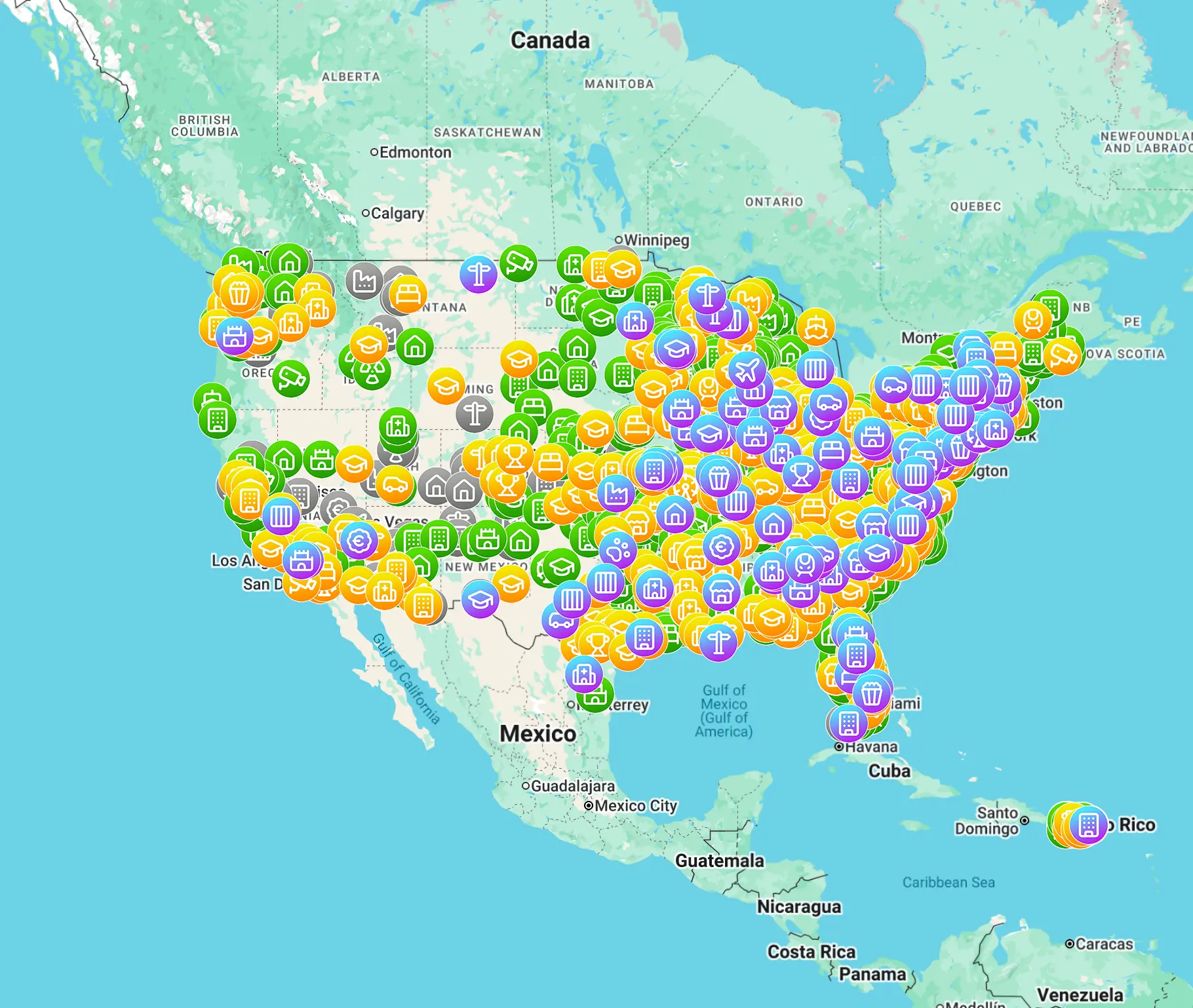
- MapUrbex position: verified locations, curated maps, and preservation-first urbex.
Which urbex podcasts are most useful for beginners?
The most useful beginner podcasts explain how places changed over time and why they matter now. Look for shows that treat abandoned sites as part of urban history rather than as trophies.
A practical selection usually includes four podcast types:
- Narrative urban history podcasts: useful for understanding why factories, hospitals, rail yards, and housing blocks were built, transformed, or left behind.
- Architecture and city podcasts: helpful for reading materials, layouts, adaptive reuse, and the life cycle of buildings.
- Photography interview podcasts: valuable when guests discuss ethics, preparation, light, weather, and documentation rather than adrenaline.
- Local heritage audio series: often the best source for region-specific context, especially when they include historians, archivists, or former workers.
If a podcast spends more time on entry stories than on history, safety, or preservation, it is usually a weak learning resource.
Which books help you understand urbex culture best?
The best urbex books explain what a site meant before it became abandoned. They connect images to dates, industries, people, and urban change.
The strongest reading list usually combines several book categories:
- Photo books with essays: useful when they add captions, timelines, and historical notes.
- Industrial and labor history books: essential for understanding mills, mines, warehouses, power plants, and worker housing.
- Regional urban history books: important for reading decline, suburbanization, policy change, and redevelopment.
- Architecture books: helpful for identifying styles, materials, circulation, and later alterations.
- Preservation-focused field guides: valuable when they address ethics, documentation, and public memory.
A beautiful image is not enough on its own. The best books explain why the image exists.
How should you choose urbex resources by your goal?
You should choose podcasts and books based on what you want to learn first. Beginners usually need structure and vocabulary, while experienced explorers often need deeper regional and historical sources.
| Goal | Best resource type | What to look for |
|---|---|---|
| Learn the basics | Podcasts | Clear episodes on history, legality, safety, and ethics |
| Improve photography | Photo books and interview shows | Captions, technical commentary, visual sequencing |
| Understand a region | Local history books | Dates, maps, industry background, neighborhood change |
| Add historical depth | Industrial or architectural studies | Primary sources, expert authors, strong references |
| Plan responsibly | Curated maps and verified information | Current status, preservation tone, no sensational access advice |
This mix is more useful than following a single influencer or a single platform.
What makes a podcast or book trustworthy in urbex?
A trustworthy urbex resource gives context, names sources, and stays careful about safety and legality. It informs the reader or listener without turning risk into spectacle.
Use these criteria:
- It explains the site's historical function.
- It gives dates, geography, and social context.
- It cites archives, local history, or expert voices.
- It does not share forced-entry tactics or sensitive access details.
- It treats abandoned places as heritage, evidence, or memory, not as disposable scenery.
- It acknowledges that ownership, access, and risk can change quickly.
This matters because urbex knowledge ages fast. A visually famous site may already be sealed, repurposed, protected, or unsafe.
Why do the best urbex resources go beyond locations?
The best urbex resources go beyond locations because urbex is really about the life cycle of places. Without that context, abandoned buildings become empty backdrops instead of historical documents.
A strong podcast episode or book chapter can teach more than a location list ever will. It can explain why an asylum closed, why a shipyard lost relevance, how a station area was redesigned, or why a workers' district changed after deindustrialization.
That wider lens also improves field judgment. When you understand a site's history, you are more likely to respect boundaries, notice hazards, and document it with care.
How can you use podcasts and books without turning exploration into risky behavior?
Use podcasts and books as research tools, not as invitations to copy risky behavior. Good learning should reduce harm, not normalize it.
A responsible method is simple:
- Verify current conditions before any visit.
- Respect local law, private property, and closures.
- Never force entry, bypass security, or damage a site.
- Avoid sharing sensitive access details publicly.
- Prioritize places that can be viewed legally or with permission.
- Treat every site as part of cultural memory, not as content to consume quickly.
MapUrbex follows that same approach: verified locations, curated maps, and preservation-first exploration.
FAQ
Are there truly urbex-only podcasts worth following?
Yes, but they are not always the most educational starting point. Many of the best learning resources are adjacent podcasts about architecture, local history, industrial change, and documentary photography.
Should beginners start with books or podcasts?
Most beginners should start with podcasts because the format is accessible and easy to compare. Then they should move to books for depth, references, and better historical structure.
Are photo books enough to learn responsible urbex?
No. Photo books are excellent for visual culture, but they are incomplete without historical essays, captions, and legal or ethical context.
How often should you update your urbex resource list?
Review it regularly. New books, local archives, and documentary series appear often, while site conditions and access rules can change quickly.
Can podcasts and books replace on-site verification?
No. They can improve your judgment, but they cannot confirm current safety, legal status, or access conditions. Verification always comes first.
Conclusion
The best urbex podcasts and books do not simply show abandoned places. They explain why those places exist, what they meant, and how to approach them responsibly.
If you want to build real urbex knowledge, combine audio, books, local history, and verified mapping. That approach is more accurate, safer, and far more respectful to the places themselves.
Access the free urbex map
