 MapUrbex
A practical guide to urbex in the Netherlands, with regional planning tips, safety reminders, and verified abandoned places across Holland.
Urbex Netherlands: Where to Find Verified Abandoned Places Across Holland
Urbex Netherlands attracts photographers, road-trippers, and abandoned-place researchers because the country packs many different building types into short travel distances. Industrial units, rural structures, military remains, transport sites, and empty hospitality buildings can all appear within one compact itinerary.
The hard part is not finding old lists. The hard part is finding abandoned places in the Netherlands that are still standing, still relevant, and not already redeveloped, sealed, or closely monitored.
MapUrbex is built for that reality: verified locations, responsible urbex, and preservation-first planning. If you are comparing urbex Holland options, recent status matters more than viral coordinates.
What is the best way to find urbex in the Netherlands?
The best way to find urbex in the Netherlands is to rely on verified, recently checked locations instead of recycled coordinate lists. Dutch abandoned places change status quickly because of redevelopment, security upgrades, and temporary closures. A curated map helps you filter by region and building type while keeping your planning careful, legal, and preservation-first.
Quick summary
- Urbex Netherlands is best approached with verified, recent information.
- The country offers varied abandoned places: industrial, military, hospitality, transport, and rural sites.
- Site status changes quickly in the Netherlands because land pressure and redevelopment are constant.
- A curated map saves time by filtering spots by region, type, and reliability.
- Responsible urbex means no forced entry, no vandalism, and no publication of sensitive access details.
- For efficient trips, route planning matters as much as location quality.
Quick facts
- Country scope: Netherlands
- Common site types: factories, bunkers, farms, hotels, warehouses, institutional buildings
- Main challenge: fast redevelopment and frequent sealing
- Best use case: weekend road trips with several verified stops
- Best planning tool: curated maps with recent status notes
- Safety rule: observe from legal access points and never force entry
Where can you find the best urbex Netherlands areas?
The best urbex Netherlands areas are usually regions with older industry, transport infrastructure, military heritage, or declining hospitality stock. In practice, regional patterns are more useful than chasing one famous address.
| Region or travel zone | Common abandoned place types | Why it matters for planning |
|---|---|---|
| Randstad outskirts | warehouses, workshops, small industrial units | easy to combine with city trips, but status changes fast |
| Southern provinces | farm complexes, barracks, light industry | more spread out, often better for car routes |
| Eastern border areas | factories, depots, institutional buildings | useful for cross-border itineraries |
| Coastal zones | hotels, leisure buildings, service sites | seasonal visibility and stronger redevelopment pressure |
| River and port corridors | logistics sites, garages, technical buildings | visually strong, but often monitored |
If your goal is variety, country-scale planning works better than a single viral pin. A good starting point is Netherlands Urbex Map: Verified Abandoned Places in the Netherlands, then a broader comparison through Browse all urbex maps.
What kinds of abandoned places in the Netherlands are most common?
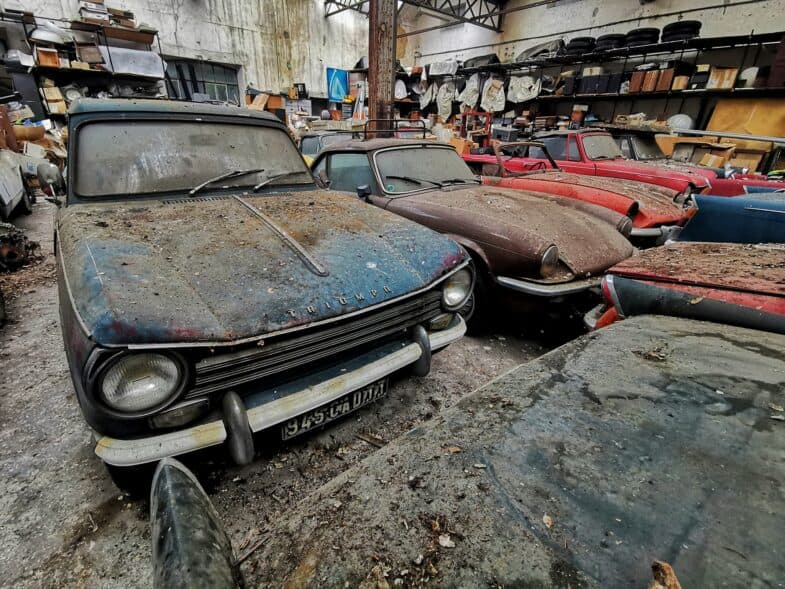
The most common abandoned places in the Netherlands are small to mid-sized industrial buildings, depots, service sites, farm structures, bunkers, and hospitality properties. Huge untouched mega-sites are less common than in larger countries because land pressure is high.
This shapes expectations. Urbex Holland is often about compact, atmospheric sites rather than endless derelict districts. A strong route may combine one industrial stop, one rural building, and one military or leisure site.
Photographers and explorers often look for:
- stripped workshops with surviving machinery
- garages and transport sheds
- empty hotels or event venues
- defense structures and bunkers
- greenhouse, farm, or storage complexes
- institutional interiors with strong decay textures
If luxury interiors are part of your search, see Abandoned Hotels and Casinos: The Most Beautiful Luxury Urbex Spots.
Why do verified locations matter more for abandoned places in the Netherlands?
Verified locations matter more in the Netherlands because a site's status can change within months, and sometimes within weeks. Renovation, demolition, sealing, temporary occupation, and tighter security are common.
A verified map reduces three common problems:
- Wasted travel time: you arrive and the site is gone.
- Bad risk decisions: outdated tips push visitors toward unsafe or illegal entry.
- Poor route planning: several stops look close on paper but no longer work in reality.
This is why archived blog lists age badly. For a realistic picture of turnover, read Abandoned Places That Disappeared in 2025: Demolished, Reused, or Sealed.
Responsible urbex starts with verification. If a site is sealed, occupied, or clearly protected, do not try to bypass that status.
How should you plan a responsible urbex Holland trip?
A responsible urbex Holland trip starts with route logic, current status checks, and a clear boundary: no trespassing, no forced access, and no damage. Planning is more important than improvisation.
Use this sequence:
- Choose a region instead of one famous site.
- Check recent verification notes and building status.
- Prefer daylight scouting and legal viewpoints first.
- Keep backup stops in case a site is reused or sealed.
- Dress for debris, moisture, and unstable floors.
- Leave no trace and avoid drawing attention in residential areas.
Because the Netherlands is compact, many visitors over-schedule. In practice, fewer verified stops usually produce better results than a long list of uncertain coordinates.
Which mistakes make urbex trips in the Netherlands fail?
The main mistake is relying on old coordinates copied across forums and social media. The second mistake is treating all Dutch sites as easy walk-ins. Many are small, exposed, or close to active neighborhoods.
Other common failures include:
- planning around one viral spot only
- arriving after dark without scouting conditions
- ignoring weather in damp or flooded buildings
- parking carelessly near homes or businesses
- sharing exact sensitive details publicly after a visit
Preservation-first urbex is not only ethical. It also helps locations survive longer.
How does MapUrbex help you find better urbex spots in the Netherlands?
MapUrbex helps by organizing verified abandoned places into a curated map system instead of a random list of stale pins. That makes it easier to compare regions, prioritize reliable options, and build a route that fits your time and travel style.
Use Browse all urbex maps if you want to compare countries, or start with the Netherlands-specific reference: Netherlands Urbex Map: Verified Abandoned Places in the Netherlands.
FAQ
Is urbex legal in the Netherlands?
Urbex is not automatically legal in the Netherlands. Ownership, fencing, warning signs, and local restrictions matter. If a place is private, occupied, sealed, or clearly restricted, do not enter.
Are there many abandoned places in the Netherlands?
Yes, but they are often smaller and more changeable than people expect. The Netherlands has a steady supply of industrial, rural, military, and leisure sites, yet redevelopment pressure removes many quickly.
Is Holland the same as the Netherlands for urbex searches?
In search behavior, many people use "urbex Holland" to mean the Netherlands. Strictly speaking, Holland refers to part of the country, but both terms appear in real search queries.
Why are verified maps better than free coordinate dumps?
Verified maps reduce wasted trips and unsafe decisions. They are more useful because they focus on recent status, route logic, and reliability instead of viral exposure.
Should you share exact abandoned locations publicly?
Usually no. Public oversharing accelerates vandalism, theft, sealing, and demolition pressure. Responsible explorers protect places by limiting sensitive details.
Conclusion
Urbex Netherlands is worth it when you treat it as a fast-changing landscape, not a static bucket list. The best results usually come from verified abandoned places in the Netherlands, careful regional planning, and a strict preservation-first mindset.
If you want reliable trip planning across Holland, start with curated data rather than recycled lists.
Access the free urbex map
