 MapUrbex
A practical guide to urbex Nantes: the 10 most searched abandoned place types, photography tips, and how to find verified GPS info responsibly.
Urbex Nantes: Top 10 Abandoned Places, Photos and GPS Tips
Nantes is one of the most interesting French cities for urban exploration because its industrial, riverfront, rail, and institutional heritage creates a wide range of abandoned environments. For photographers, the city offers textures, long corridors, brick facades, workshops, and transitional landscapes shaped by redevelopment.
At the same time, urbex Nantes changes quickly. Sites are sealed, demolished, converted, or monitored on a regular basis. That is why a responsible guide should explain what kinds of places exist, why public GPS lists become outdated, and how to look for verified information without encouraging trespassing.
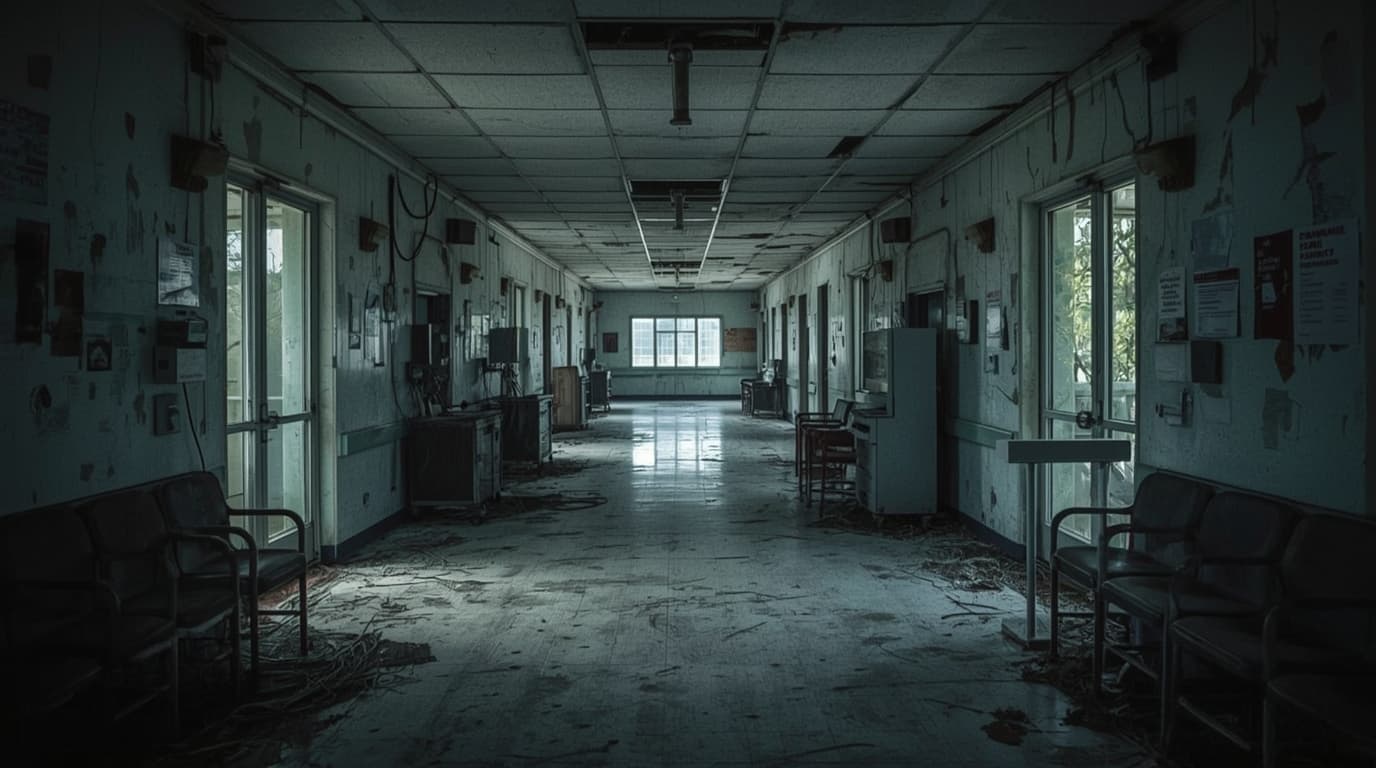
What are the best abandoned places for urbex in Nantes?
The best urbex Nantes spots are usually former port warehouses, riverside industrial buildings, rail structures, disused institutional sites, empty manor houses on the outskirts, and small military remnants. The exact lineup changes often, so the most useful approach is not a static coordinate dump but a verified, updated map combined with careful legal and safety checks.
Quick summary
- Nantes urbex is strongest in industrial, port, rail, and institutional settings.
- Many "GPS coordinates urbex Nantes" lists become wrong quickly because sites are demolished, fenced, or repurposed.
- The most searched abandoned places in Nantes are usually warehouses, workshops, hospitals, schools, and outskirt estates.
- Good urbex photos in Nantes usually come from geometry, long sightlines, old materials, and soft natural light.
- Responsible exploration means no forced entry, no trespassing, no vandalism, and no public oversharing of sensitive access details.
- MapUrbex focuses on verified locations, curated maps, and preservation-first guidance.
Quick facts
| Item | Answer |
|---|---|
| Primary search topic | urbex Nantes |
| Most common place types | Warehouses, factories, rail buildings, hospitals, schools, manors, bunkers |
| Why people want GPS info | Access conditions change fast and forum posts age badly |
| Best use case | Photography planning, historical interest, verified scouting |
| Main risk factor | Unstable floors, broken glass, sealed access, active redevelopment |
| Legal reminder | Always respect private property, local law, and safety barriers |
Nantes is better understood as a moving urbex landscape than as a fixed list of addresses. That is why current verification matters more than old screenshots or copied coordinates.
Which kinds of abandoned places make the Nantes top 10?
The Nantes top 10 is best understood as ten recurring site categories. Exact sites rotate over time, but these are the types of abandoned places that define the local scene.
-
Former port warehouses Nantes has a strong maritime and logistics history, so old warehouse architecture is one of the city's classic urbex themes. These sites are especially valued for large volumes, repeating lines, and weathered industrial surfaces.
-
Riverside industrial sheds Along former working zones near the Loire, explorers often look for disused industrial shells. They can produce strong exterior photography even when interiors are inaccessible.
-
Old rail service buildings Railway-related ruins are popular because they combine infrastructure, signage, brickwork, and long perspective lines. They are also among the most likely places to be secured or redeveloped.
-
Disused hospital sections Hospital sites are often highly searched because they create dramatic corridors and layered interiors. They also require extra caution because many are sealed, monitored, or structurally compromised.
-
Closed schools or training buildings Educational buildings are visually rich because classrooms, staircases, and gym spaces tell a clear story. In Nantes, these sites often disappear quickly once redevelopment starts.
-
Empty manor houses on the outskirts Around the city fringe, manor houses and neglected residences attract photographers who want a quieter, more atmospheric style than industrial ruins.
-
Military remnants and bunkers Small defensive structures and bunker-like remains appeal to history-focused explorers. They are often less spectacular visually but more interesting for context.
-
Vacant farm complexes near the urban edge Agricultural ruins around the Nantes area can be photogenic because of their scale, decay patterns, and surrounding vegetation. These locations can also be dangerous because roofs and floors degrade silently.
-
Derelict office and commercial shells Not every abandoned place is old. Some of the most overlooked Nantes spots are modern buildings left between business cycles or redevelopment phases.
-
Minor technical or utility buildings Pump houses, service rooms, and forgotten annexes rarely headline a top 10 list, but they often produce the most original urbex photos because they are less documented.
Why do GPS coordinates for urbex Nantes change so often?
GPS coordinates for urbex Nantes change so often because abandoned places are not stable assets. A site can be open one month and fenced, converted, burned, occupied, patrolled, or demolished the next.
This is especially true in a city shaped by redevelopment and infrastructure projects. Public posts promising exact coordinates often keep circulating long after the site has changed status. That makes old lists unreliable for both planning and safety.
A better method is to use sources that track verification dates and condition changes. You can also Browse all urbex maps if you want a broader view of how curated location research is organized. For research techniques, How to Find Abandoned Places with Google Maps explains a structured way to scout without relying only on copied forum data.
How can you take strong urbex photos in Nantes without putting people or places at risk?
Strong urbex photos in Nantes usually come from composition, patience, and restraint rather than risky positioning. The safest and most effective images often start with exteriors, thresholds, textures, and natural light.
A few practical rules matter:
- Prioritize daylight and clear weather for safer footing and cleaner contrast.
- Start with exterior context shots before attempting detail images.
- Use wide frames for corridors, workshops, and facades, then add close details like paint, rust, tiles, or signage.
- Do not move objects for staging. Documentary images are more credible and less destructive.
- Avoid publishing sensitive access clues or live entry details with your photos.
- Never climb unstable levels or cross barriers for a better angle.
For people searching "photos urbex Nantes," the most consistent local strengths are industrial geometry, repeated windows, decayed institutional interiors, and overgrowth around built structures.
What should beginners know before planning an urbex session in Nantes?
Beginners should know that Nantes urbex is not about getting the fastest coordinates. It is about preparation, legality, observation, and leaving a place exactly as found.
Before any outing, check ownership signals, signage, weather, and the current state of the building. Bring simple safety basics such as solid shoes, a charged phone, and a flashlight, but do not treat equipment as a substitute for judgment. If access is restricted, do not enter.
Beginners also benefit from learning a repeatable scouting method instead of chasing random tips. How to Start Urbex: A Beginner's Guide to Urban Exploration is useful for first principles, and How to Find Abandoned Places Near Me: A Step-by-Step Urbex Method helps structure local research.
Where can you find verified abandoned places in Nantes without relying on outdated forum lists?
The most reliable way to find abandoned places in Nantes is to use a curated map with verification logic rather than recycled screenshots or copied coordinates. Verification matters because site conditions, access rules, and preservation risks change quickly.
MapUrbex is built around that idea: verified locations, responsible urbex, and preservation-first research. Instead of encouraging mass exposure of fragile places, the goal is to help explorers work from more current information and better context.
If you want a starting point, use the free map below and treat every location as something that still requires on-site legal and safety judgment.
Frequently asked questions
Are there still abandoned places in Nantes?
Yes, but the local inventory changes constantly. Nantes still has industrial remnants, vacant institutions, and edge-of-city ruins, but many well-known sites are sealed, repurposed, or demolished over time.
Does MapUrbex publish exact GPS coordinates in public blog posts?
Not as a simple open list inside articles like this. Public coordinate dumps age badly and can harm sensitive places. MapUrbex prioritizes verified mapping and responsible access awareness rather than uncontrolled oversharing.
Is urbex legal in Nantes?
Legality depends on ownership, access rights, local rules, and the exact site condition. Urban exploration never overrides private property law. Do not trespass, do not force entry, and do not ignore barriers or posted restrictions.
What is the best type of abandoned place for photos in Nantes?
For many photographers, the best results come from former warehouses, rail buildings, and institutional interiors because they offer symmetry, depth, and strong natural textures.
When is the best time to photograph abandoned places in Nantes?
The safest and most photogenic conditions are usually daytime with stable weather. Early morning and late afternoon often produce softer light, especially for exteriors and window-lit interiors.
Conclusion
Urbex Nantes is appealing because the city combines industrial history, redevelopment zones, and a broad range of abandoned building types. The real challenge is not finding old lists of coordinates. It is identifying which places are still relevant, still safe to approach, and still suitable for respectful documentation.
If you want better results, focus on verified information, careful photography, and preservation-first behavior. That approach is more useful than any static "top 10" copied without context.
Access the free urbex map
