 MapUrbex
A practical guide to the most common urbex mistakes beginners make, with clear advice on legality, safety, planning, and responsible exploration.
Urbex Mistakes to Avoid: Beginner Traps in Urban Exploration
Urbex looks simple in photos. In practice, most problems start with small mistakes made before anyone even reaches the site.
Beginners often focus on finding locations first. The better approach is to understand legality, risk, site condition, and exit planning before any visit.
This guide explains the most common urbex mistakes to avoid, with a preservation-first mindset that fits responsible exploration anywhere in the world.
What are the main urbex mistakes to avoid?
The main urbex mistakes to avoid are entering without checking legality, underestimating structural hazards, relying on bad location tips, bringing the wrong gear, going in without an exit plan, and behaving in ways that create risk or attract complaints. Most beginner problems come from poor preparation, not bad luck. Responsible urbex starts with research, lawful access, and a strict no-force, no-damage approach.
Quick summary
- Check ownership, local rules, and recent site condition before any visit.
- Never force entry or assume that damage, an open door, or a broken fence makes access legal.
- Bring light, charged communication, proper footwear, and basic protective gear suited to the site.
- Avoid solo visits in unstable places, and always set a turnaround time.
- Do not move objects, vandalize, steal, or publish sensitive details that can accelerate damage.
- Use curated and verified location resources instead of random social posts or stale tips.
Quick facts
- Many urbex incidents begin before entry through weak research and poor assumptions.
- An abandoned place is not automatically legal to enter.
- Rotten floors, water damage, shafts, and unstable stairs are common beginner hazards.
- The safest urbex decision is often to turn back.
- Responsible explorers document places without making them easier to damage.
Why do beginners underestimate site conditions?
Beginners underestimate site conditions because online images flatten risk. A building that looks empty in photos may contain rotten flooring, loose railings, hidden drops, standing water, mold, sharp debris, or animals.
Another common error is assuming that if someone else posted from a site, the site is still safe now. Conditions change quickly. Weather, vandalism, fire damage, and structural decay can make a previously accessible area dangerous within days or weeks.
A simple rule helps: if your information is old, incomplete, or unverified, treat the site as unknown. That is one reason many new explorers benefit from reading Urbex Safety Guide: How to Explore Abandoned Places Without Risk before planning a visit.
Why is skipping the legal check one of the biggest urbex mistakes to avoid?
Skipping the legal check is a major mistake because "abandoned" describes condition, not permission. Ownership still exists, local trespass rules still apply, and consequences vary by country, region, and site type.
Many beginners confuse visible neglect with free access. That assumption is wrong. An open gate, broken window, or missing fence panel does not grant permission. Forced access, bypassing barriers, or entering restricted property can create legal and safety problems at the same time.
MapUrbex supports responsible urbex with verified locations and curated context, but a map is not legal authorization. You still need to understand the site status and follow local law. For a clearer legal overview, read Is Urbex Legal? A Clear Guide to Urban Exploration Laws.
What equipment mistakes create avoidable risk?
The most common gear mistakes are bringing too little light, wearing poor footwear, relying on a nearly dead phone, and assuming a casual visit requires no protection. Basic preparation prevents many beginner accidents.
| Mistake | Why it is a problem | Better approach |
|---|---|---|
| One weak flashlight | Darkness turns stairs, holes, and debris into immediate hazards | Carry a primary light and a backup light |
| Low phone battery | You lose navigation, communication, and emergency options | Start fully charged and bring backup power |
| Poor shoes | Wet surfaces, glass, and unstable footing become more dangerous | Wear supportive, closed footwear with grip |
| No gloves | Sharp metal, splinters, and rough surfaces cause avoidable injuries | Bring durable gloves suited to the task |
| No dust protection where needed | Dust, mold, and debris can affect breathing | Avoid bad air and use appropriate protection for local conditions |
Good gear does not make a risky site safe. It only reduces avoidable errors. If a place is structurally questionable, the correct decision may still be not to enter.
Why do route planning and exit planning matter so much?
Route planning matters because confusion multiplies risk. Beginners often focus on how to arrive and forget how they will leave if weather changes, light drops, or access becomes unsafe.
Before any lawful visit, know your daylight window, nearby public access points, communication limits, and turnaround time. If you are exploring with permission or in a legally accessible place, tell a trusted person where you are going and when you expect to be back.
Exit planning is also a safety habit. If stairs fail, a corridor floods, or visibility collapses, you need a simple and calm way out. Good planning reduces panic and prevents bad decisions.
How do behavior mistakes create trouble even when a site looks quiet?
Behavior mistakes create trouble because they affect both safety and public response. Loud groups, careless parking, visible bright lights, and live posting from the site can attract complaints or emergency calls.
Another beginner trap is treating exploration like performance. Rushing for dramatic footage, climbing unstable features, or splitting from the group for content increases risk fast. Responsible urbex is quiet, deliberate, and non-destructive.
If you are lawfully present, minimizing disturbance still matters. This is the right context for How to Do Urbex Without Drawing Attention: the goal is not secrecy for trespass, but respect for neighbors, staff, and the site itself.
Which photography habits cause unnecessary problems?
The worst photography habits are moving objects, staging scenes, chasing dangerous angles, and publishing location details that can lead to vandalism. Good documentation should not change the place.
A preservation-first approach means leaving rooms exactly as found, not opening sealed items, not pocketing artifacts, and not climbing unsafe structures just for a better frame. Photos are never worth a fall.
Location sharing also matters. Posting exact coordinates or fresh access details can turn a fragile site into a target. Verified location platforms and curated access context are better than uncontrolled public disclosure.
How can beginners find better locations without falling for bad leads?
Beginners find better locations by using curated sources, cross-checking information, and valuing context over hype. Random social posts are often outdated, exaggerated, or intentionally misleading.
A better method is to combine local history research, recent condition checks, legal awareness, and verified map tools. That helps you avoid wasted trips and reduces the chance of showing up at a demolished, occupied, or dangerous site.
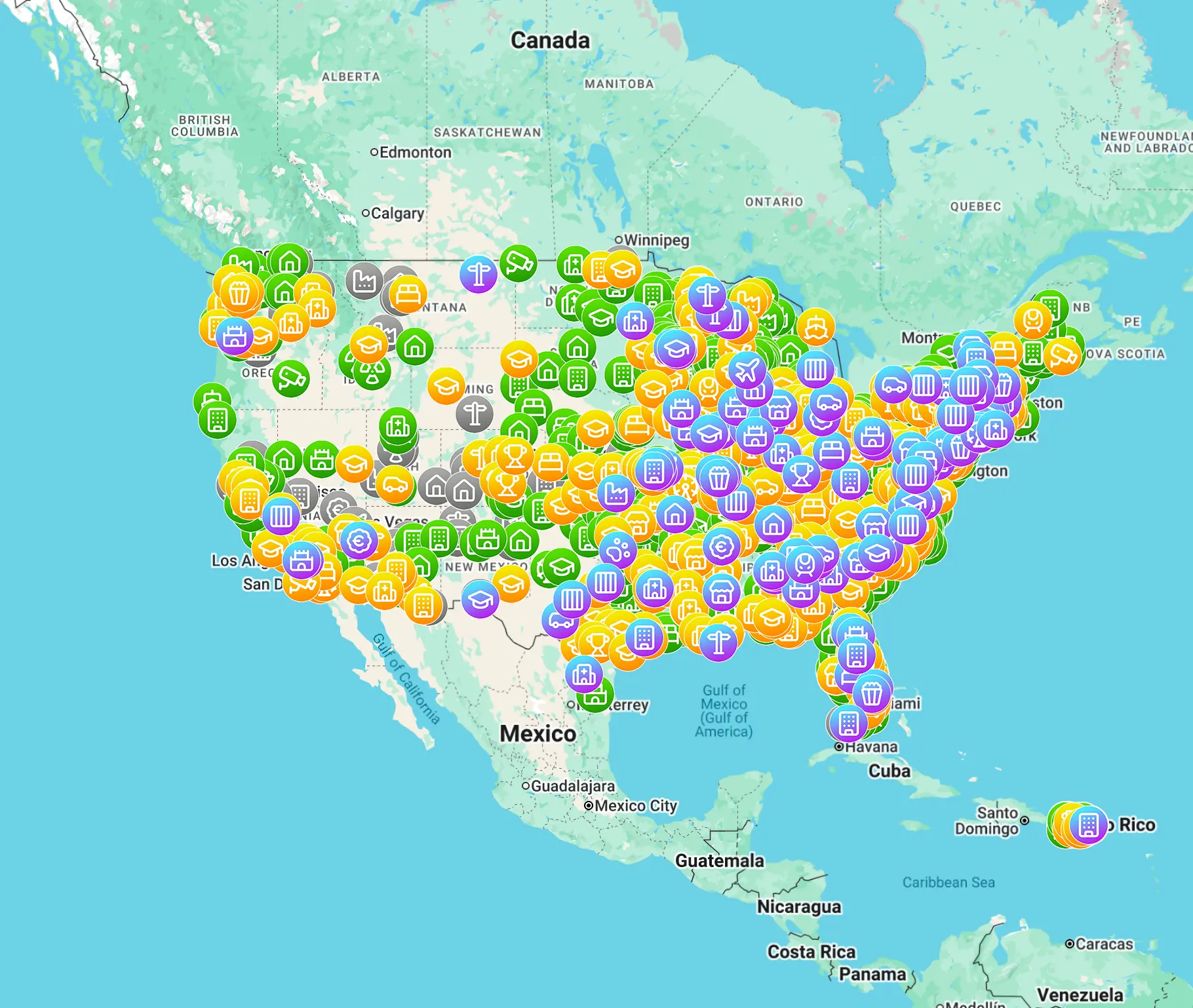
If you want structured discovery rather than rumor-based searching, Browse all urbex maps to compare verified options and planning context.
Frequently asked questions
Is urbex legal if a place is abandoned?
No. Abandonment does not remove ownership or local access rules. Legal status depends on jurisdiction, site ownership, and whether you have permission.
Should beginners do urbex alone?
Usually not in higher-risk locations. Solo exploration makes communication, navigation, and emergency response harder. If a site has real structural uncertainty, going alone is a poor beginner choice.
What should I do if a location feels unsafe when I arrive?
Leave. Fresh damage, unstable flooring, strong odors, water intrusion, or unexpected activity are valid reasons to stop. Turning back is a success, not a failure.
Is it okay to share exact locations online?
Not always. Publicly sharing exact details can increase vandalism, theft, and unsafe traffic to fragile places. Responsible sharing protects sites instead of exposing them.
What is the most important beginner urbex safety habit?
Decision-making. Research well, verify legality, carry basic gear, and be willing to cancel the visit when conditions are wrong.
Conclusion
Most urbex mistakes to avoid are predictable. They come from weak research, bad assumptions, poor gear choices, and the belief that a dramatic place must also be worth the risk.
Responsible urbex is slower and more selective. Check the law, verify the site, protect the location, and leave the moment conditions stop making sense.
Access the free urbex map
