 MapUrbex
A practical guide to urbex in Los Angeles, including how to find abandoned places responsibly, what risks matter most, and how MapUrbex helps you plan with verified locations.
Urbex Los Angeles: Hidden Abandoned Places Guide
Los Angeles is one of the most searched cities for urban exploration. It is also one of the hardest places to approach well because private property, redevelopment, security, and site conditions change quickly.
That is why a strong urbex Los Angeles plan starts with verification, not guesswork. MapUrbex focuses on curated maps, responsible exploration, and preservation-first research.
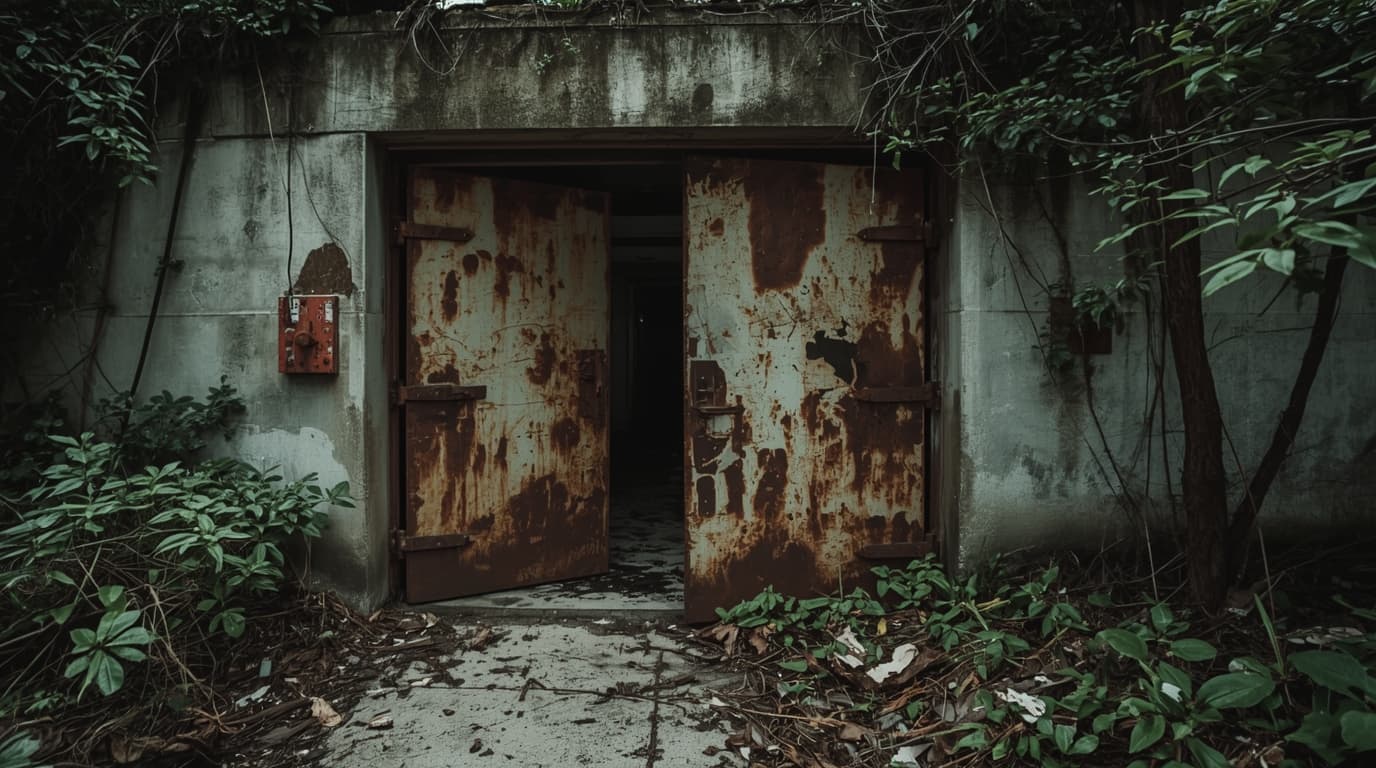
Where can you do urbex in Los Angeles responsibly?
The best urbex opportunities in Los Angeles are verified locations that can be viewed or accessed legally, such as exterior viewpoints, publicly reachable ruins, authorized sites, or places with clear current status. In practice, the safest approach is to avoid fenced compounds, forced entry, and any site that is occupied, posted, or structurally unstable.
Quick summary
- Many abandoned-looking places in Los Angeles are still private, active, or under redevelopment.
- A reliable urbex Los Angeles guide should prioritize current status, legal context, and daylight planning.
- Exterior photography is often the safest default for hidden abandoned places.
- Fire damage, seismic wear, broken glass, and security changes can make old listings obsolete.
- Responsible urban exploration in Los Angeles means no trespassing, no forced access, and no location abuse.
- For current research, start with Browse all urbex maps or Access the free urbex map.
Quick facts
| Topic | What matters in Los Angeles |
|---|---|
| Property status | Many sites sit on private lots, utility land, or redevelopment parcels. |
| Best planning window | Daylight visits with a clear route, parking plan, and exit plan reduce risk. |
| Common hazards | Unstable floors, shattered glass, fire damage, dust, exposed metal, and heat. |
| Documentation approach | Exterior-first photography is usually the lowest-risk option. |
| Research method | Use verified, curated sources instead of random social posts or old videos. |
| MapUrbex value | Curated maps help filter for relevance, access context, and route efficiency. |
Why is Los Angeles a unique city for urban exploration?
Los Angeles is unique because scale changes everything. The city stretches across industrial edges, hills, coastlines, older roadside corridors, studio-adjacent land, and neighborhoods that redevelop fast.
For urbex, that creates two practical problems. A site that looks empty in a photo may be active, monitored, or inaccessible on arrival. Travel time also matters more here than in compact cities. Traffic, parking, daylight, and neighborhood rhythm can decide whether a trip is realistic.
This is why city-specific research matters. A curated map lets you compare options before committing to a route.
What kinds of abandoned places can you expect around Los Angeles?
Most urbex Los Angeles searches lead to a small group of site types. You will usually encounter former industrial spaces, roadside relics, bunker-like remnants, rail-adjacent structures, shuttered commercial properties, and buildings waiting for renovation or demolition.
Common categories include:
- Old industrial edges and warehouses with changing ownership
- Closed motels, diners, or roadside properties along older traffic routes
- Coastal or hilltop defense remnants
- Vacant theaters, offices, or retail shells pending redevelopment
- Isolated service buildings near transport infrastructure
The key point is simple: category does not tell you access. A place can appear abandoned and still be monitored, occupied, hazardous, or fully private.
How do you plan a responsible urbex Los Angeles outing?
A responsible outing starts with status checks, legal boundaries, and a conservative route. In Los Angeles, planning matters more than spontaneity because distances are large and conditions change fast.
Use this checklist before you leave:
- Confirm the site's latest known status
- Check whether the property is public, private, or restricted
- Prefer daytime research and daytime photography
- Tell someone your route and return time
- Bring water, a charged phone, and basic first-aid supplies
- Wear boots, long sleeves, and gloves in rough terrain
- Leave immediately if a site is active, occupied, or clearly signed against entry
If you are new to the hobby, read How to Start Urbex: A Beginner's Guide to Urban Exploration before planning city-specific trips.
How can a curated map save time and reduce risk?
A curated map reduces risk because it replaces rumor-based planning with structured research. Instead of chasing random pins, you can sort locations by relevance, region, and practical context.
That matters in a city as large as Los Angeles. A verified map can help you avoid outdated leads, reduce unnecessary driving, and focus on places that match your experience level and documentation goals.
If you want broader coverage, Browse all urbex maps. For a starting point, use the free tool: Access the free urbex map. You can also compare this article with Urbex in Los Angeles: Hidden Abandoned Places and a Responsible Exploration Guide and Urbex Los Angeles: Best Abandoned Places and Exploration Tips.
What safety issues matter most in Los Angeles abandoned places?
The biggest risks in Los Angeles abandoned places are structural instability, environmental exposure, and legal escalation. Old buildings can fail without warning, especially after fire damage, water intrusion, neglect, or repeated informal use.
Pay close attention to:
- Soft flooring and collapsed stairs
- Broken glass and exposed metal
- Dust, mold, and possible hazardous materials
- Heat, dehydration, and sun exposure
- Wildlife or stray animals in isolated areas
- Security patrols or active workers on redevelopment sites
A simple rule works well: if you need to climb, squeeze, force, or hide to get in, do not continue. Responsible urbex never depends on trespassing or damage.
Are hidden abandoned places in Los Angeles worth chasing?
Hidden abandoned places are only worth pursuing when the visit is legal, current, and low-impact. In practice, the word hidden often means poorly documented, recently exposed, or sensitive.
That makes discretion important. Do not share entry methods, vulnerable openings, or details that could lead to vandalism. Preservation-first exploration protects the site, the community, and your own safety.
For many people, the best urban exploration Los Angeles experience comes from a small number of well-researched locations rather than a long list of risky rumors.
Frequently asked questions
Is urbex legal in Los Angeles?
Urbex is not automatically legal. Entering private or restricted property without permission can be trespassing. Always check status, signage, and local rules. When in doubt, stay outside and document from a legal public position.
What is the safest way to photograph abandoned places in Los Angeles?
The safest method is exterior-first photography in daylight. Use public viewpoints, avoid unstable interiors, and never cross fences or barriers. Better light is safer and usually produces better documentation.
Do I need special gear for Los Angeles urbex?
You do not need extreme gear for basic exterior documentation. Solid boots, water, phone power, gloves, long sleeves, and a dust-aware mindset are more useful than aggressive climbing equipment.
Should beginners start with hidden places?
No. Beginners should start with easy, legal, well-documented locations. Hidden places often have the least reliable information and the highest chance of security, hazards, or neighborhood complications.
How do I find verified locations without relying on random social posts?
Use curated sources that track location context instead of viral hype. MapUrbex is built for that research style, with verified locations and map-based planning that supports responsible exploration.
Conclusion
Urbex Los Angeles is less about chasing the most secret place and more about making smart decisions. The city rewards preparation, local context, and restraint.
If you want a better chance of finding abandoned places in Los Angeles responsibly, use verified data, stay within the law, and keep preservation first. That approach is safer, more efficient, and better for the future of the locations themselves.
Access the free urbex map
