 MapUrbex
A clear guide to urbex interviews, with recurring lessons from experienced explorers on safety, legality, ethics, and better decision-making.
Urbex Interviews: What Experienced Explorers Really Say
Urbex interviews are useful because they show how experienced explorers think before, during, and after a visit. The most credible testimonies are usually practical, not dramatic.
Across countries and styles of exploration, the same lessons return again and again: prepare well, respect legal limits, protect the site, and leave when conditions are wrong. That consistency makes interviews valuable for both beginners and returning explorers.
MapUrbex follows the same logic: verified locations, responsible urbex, and preservation-first planning instead of reckless access culture.
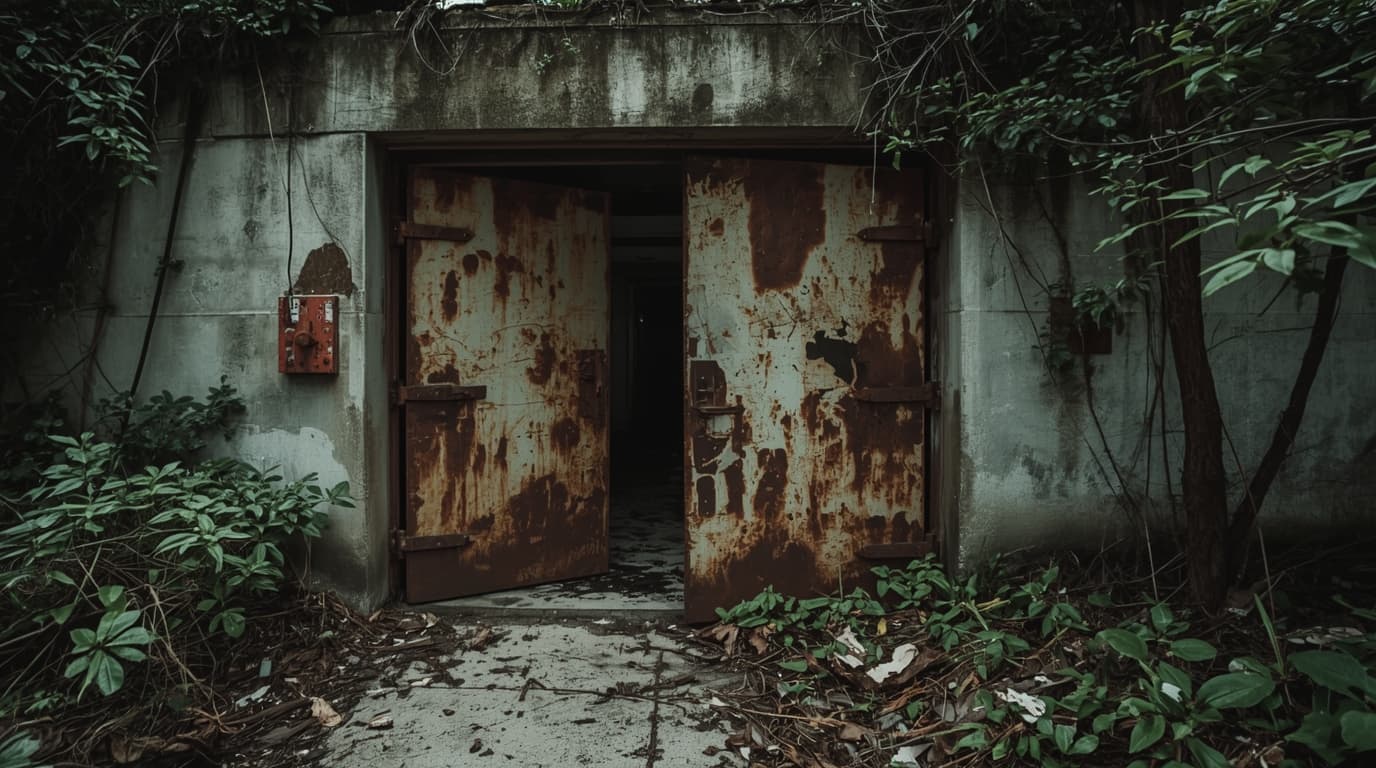
What do urbex interviews reveal about experienced explorers?
Experienced urbex interviews show that veterans rarely focus on adrenaline. They talk more about research, access limits, safety checks, respect for sites, and knowing when to walk away. Across most testimonies, the defining habit is restraint: responsible explorers protect places, avoid illegal entry, and treat each location as temporary and fragile.
Quick summary
- Experienced urbexers emphasize preparation more than spontaneity.
- The most repeated advice is simple: do not force access and do not stay if a site feels unsafe.
- Good location research reduces risk, legal problems, and impact on owners or neighbors.
- The best testimonies separate photography goals from entry decisions.
- Responsible explorers share lessons, not vulnerable access details.
- MapUrbex supports this approach with verified locations and curated maps.
Quick facts
- Scope: global patterns found in urbex interviews and testimonies from experienced explorers.
- Intent: informational guide, not step-by-step access instructions.
- Core themes: legality, safety, discretion, preservation, documentation.
- Best for: beginners, returning explorers, photographers, and researchers.
- Key reminder: local law and property status always matter more than online stories.
Why are urbex interviews useful for beginners and returning explorers?
Urbex interviews are useful because they compress years of trial, error, and reflection into repeatable lessons. A strong interview explains not only what happened, but why a decision was safe, legal, or ethical.
For beginners, that matters more than dramatic storytelling. Testimonies help separate myth from practice. They show that experienced explorers often cancel visits, avoid uncertain sites, and spend more time researching than shooting.
For returning explorers, interviews are a way to update habits. Laws change, buildings deteriorate, and online exposure makes locations more vulnerable. Good retours d'experience urbex remind readers that old instincts are not always enough.
Which themes appear most often in testimonies from experienced urbexers?
The same themes appear in most reliable urbex interviews: preparation, legal awareness, safety discipline, and low-impact behavior. These themes are repeated because they directly reduce harm to people and places.
| Theme | What experienced explorers say | Why it matters |
|---|---|---|
| Research | Check history, ownership signals, current condition, and recent reports | Reduces bad assumptions and wasted trips |
| Legal boundaries | Do not force entry, ignore locks, or treat private property as open | Prevents trespassing and escalation |
| Safety | Watch structure, air quality, water, glass, and exits | Lowers the chance of injury |
| Ethics | Leave no trace and do not move or take objects | Protects fragile sites |
| Documentation | Photos do not justify risky decisions | Keeps creative goals secondary to safety |
| Sharing | Avoid posting precise access details | Limits copycat damage |
These patterns explain why témoignages d'urbexeurs are often more educational than generic tips lists. They come from real constraints, not theory.
How do experienced urbexers choose locations without crossing legal lines?
Experienced urbexers usually narrow locations through verification, not impulse. They look for clear status information, recent reports, visible restrictions, and whether a place can be documented legally from public space or with permission.
In practice, that means asking cautious questions:
- Is the site clearly private, active, or monitored?
- Are there signs, barriers, or closure notices?
- Has the condition changed since older reports?
- Is there any legitimate access route or public vantage point?
- Would visiting increase risk for owners, neighbors, or the site itself?
If the answer is unclear, the safest decision is often not to enter. That is why legal context matters more than online hype. For a broader overview, read Is Urbex Legal? A Clear Guide to Urban Exploration Laws.
MapUrbex is built around the opposite of random location chasing. Start with Browse all urbex maps to compare verified information and plan more responsibly.
What safety advice appears again and again in urbex interviews?
The most repeated safety advice in urbex interviews is not technical gear advice. It is decision advice: if a place feels structurally unstable, medically risky, or legally tense, leave.
Recurring safety lessons include:
- Never assume a familiar building is still safe.
- Floors, stairs, roofs, and basements change fast.
- Airborne dust, mold, and unknown substances deserve caution.
- Water, darkness, and broken glass multiply simple mistakes.
- Solo exploration increases the cost of any problem.
- A planned exit matters more than getting one more photo.
Many experienced explorers also say the same thing after near misses: the danger usually appeared before the incident. It showed up as a sound, a sagging floor, a blocked exit, or a gut feeling that conditions were wrong.
For a structured overview, see Urbex Safety Guide: How to Explore Abandoned Places Without Risk.
How do veterans talk about discretion and ethics?
Veterans usually describe discretion as low-impact behavior, not secretive rule-breaking. The goal is to avoid disturbing people, damaging places, or turning a quiet site into a spectacle.
That means practical restraint:
- Keep noise low.
- Do not attract attention from neighbors or active businesses.
- Do not reveal vulnerable access details online.
- Do not rearrange objects for photos.
- Do not tag, break, or remove anything.
This is also why experienced explorers often separate content creation from location exposure. A good image can be shared without publishing the exact path in. If you want a related mindset guide, read How to Do Urbex Without Drawing Attention.
What mistakes do experienced explorers regret most?
The regrets in urbex testimonies are usually avoidable. They come less from bad luck than from rushed judgment.
Common regrets include:
- Trusting outdated access information.
- Going alone without a clear fallback plan.
- Staying after the first clear warning sign.
- Underestimating floors, shafts, or water damage.
- Publishing too much detail too soon.
- Treating a ruin like a set rather than a fragile property.
A useful pattern appears here: experienced explorers do not present mistakes as badges of honor. They present them as reasons to tighten standards.
How can you learn from urbex interviews without copying risky behavior?
The best way to use urbex interviews is to learn principles, not imitate scenes. Every testimony is shaped by local law, site condition, time period, and the explorer's skill level.
A practical reading method is simple:
- Extract the decision rule, not the dramatic moment.
- Check whether the lesson still applies under current legal and physical conditions.
- Ignore any part that depends on forced access, unstable structures, or vague assumptions.
- Prefer verified sources and responsible planning tools.
That approach makes interviews genuinely useful. They become a way to improve judgment rather than a way to normalize risk.
FAQ
Are urbex interviews reliable sources?
They can be, if they explain context clearly and do not romanticize illegal or dangerous behavior. The best interviews describe boundaries, mistakes, and reasons for turning back.
Do experienced urbexers recommend sharing exact access points?
Usually no. Most responsible testimonies recommend protecting vulnerable locations and avoiding precise entry details that can lead to damage, theft, or unsafe copycat visits.
What is the most common safety lesson in urbex testimonies?
The most common lesson is to leave early when conditions are unclear. Experienced explorers repeatedly say that hesitation is often a valid warning sign.
Can interviews replace local legal research?
No. Interviews are useful for mindset and pattern recognition, but they do not replace current local laws, property status checks, or site-specific judgment.
How does MapUrbex help responsible explorers?
MapUrbex focuses on verified locations, curated maps, and preservation-first exploration. That helps users plan with better information and less guesswork.
Conclusion
Urbex interviews are most valuable when they are read as decision records, not adventure stories. The strongest témoignages d'urbexeurs show a consistent ethic: prepare carefully, respect the law, protect the site, and walk away when needed.
That is also the standard worth keeping. Responsible urban exploration is not defined by access at any cost. It is defined by judgment, restraint, and preservation.
Access the free urbex map
