 MapUrbex
A practical guide to urbex in Melbourne, including abandoned buildings, legal limits, safer planning, and verified alternatives.
Urbex in Melbourne: Abandoned Buildings and Legal Alternatives
Melbourne attracts urban explorers because the city mixes industrial history, redevelopment, and dense inner suburbs. That combination creates lasting interest in abandoned buildings in Melbourne and in the broader scene of urban exploration in Melbourne.
The key issue is not curiosity. It is access. Many abandoned places in Melbourne are private, fenced, monitored, structurally unsafe, or already being redeveloped.
If you want a useful plan instead of rumor-based lists, focus on verified information, current status, and legal alternatives that still deliver strong photography and architecture.
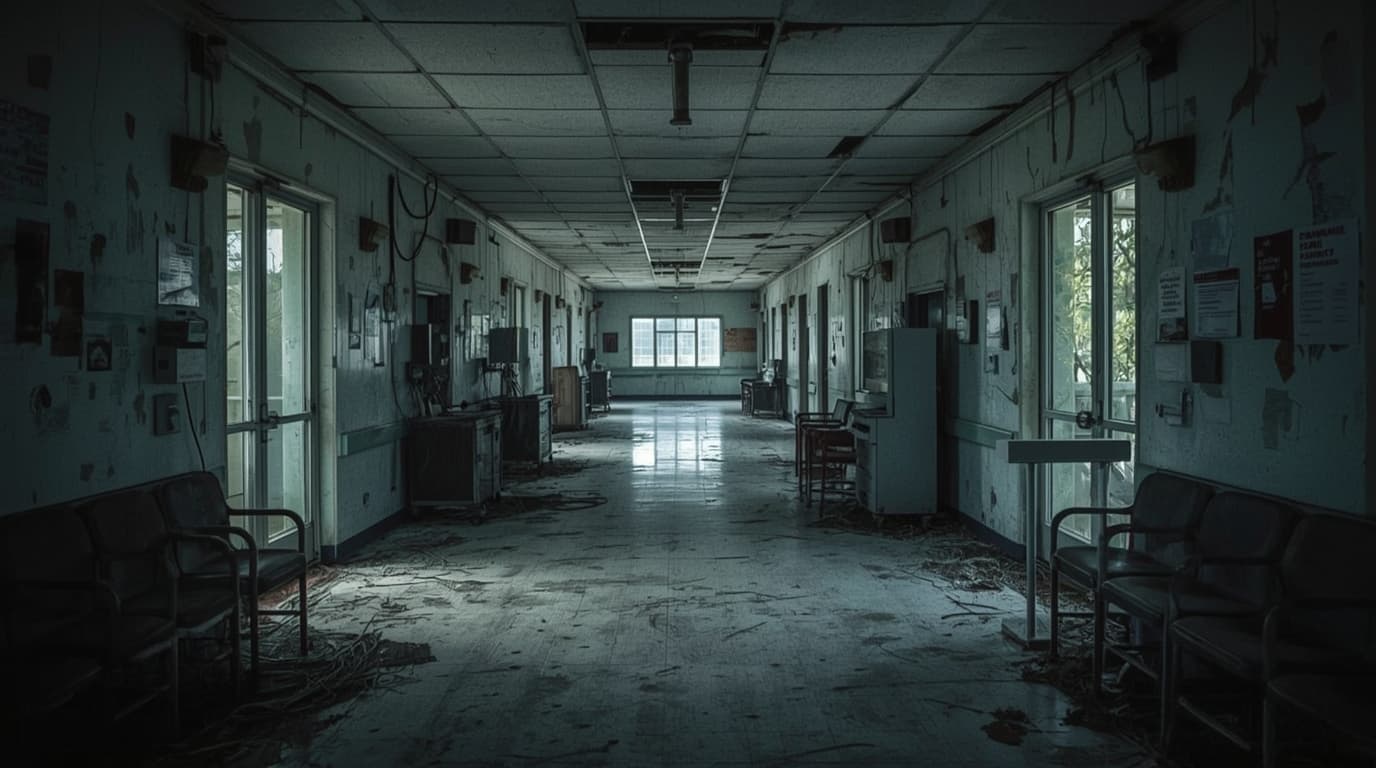
Where can you do urbex in Melbourne legally and realistically?
In Melbourne, urban exploration is only realistic when access is verified first. Many abandoned buildings in Melbourne sit on private or restricted land, so the safest approach is to check current status, avoid closed sites unless you have permission, and prioritize legal alternatives such as public viewpoints, heritage places, adaptive reuse spaces, and authorized visits.
Quick summary
- Melbourne has many visually interesting abandoned and semi-abandoned sites, but legal entry is limited.
- The main constraint is access and safety, not a lack of locations.
- Responsible urbex in Melbourne means no trespassing, no forced entry, and no damage.
- Legal alternatives include heritage open days, photography from public land, and approved tours.
- A curated map saves time by filtering abandoned places in Melbourne by type and practicality.
- MapUrbex focuses on verified locations, preservation-first decisions, and realistic trip planning.
Quick facts
| Topic | What to know |
|---|---|
| Primary goal | Find worthwhile locations without relying on outdated tips |
| Main challenge | Many sites are private, restricted, or unsafe |
| Best method | Use verified location data and confirm current access status |
| Legal baseline | Permission matters; public viewpoints are safer than entry attempts |
| Strong alternatives | Heritage sites, industrial architecture walks, adaptive reuse districts |
| Useful starting point | Browse all urbex maps |
Why is urbex in Melbourne more complicated than many guides suggest?
Urbex in Melbourne is complicated because the city changes quickly and access status changes with it. A building that looked abandoned six months ago may now be fenced, under demolition, occupied by security, or partly reused.
This is why long static lists age badly. They often ignore redevelopment, changing ownership, rail restrictions, active worksites, fire damage, asbestos risk, and neighborhood sensitivity.
Melbourne also has many edge-case sites. Some places look abandoned from the street but remain active storage areas, utilities infrastructure, or private commercial property. Visual abandonment is not the same as legal access.
Safety reminder: Responsible urban exploration in Melbourne does not include trespassing, forced access, vandalism, or interfering with active infrastructure.
What types of abandoned places in Melbourne do explorers usually look for?
Most explorers in Melbourne look for industrial buildings first, because they are visually distinctive and often easy to identify from public surroundings. Interest usually centers on old warehouses, factories, workshops, depots, office blocks, and disused institutional buildings.
The most searched categories usually include:
- Warehouses and factories on former industrial corridors
- Empty office or commercial buildings awaiting redevelopment
- Disused institutional sites such as schools or hospitals
- Neglected houses on redevelopment parcels
- Rail-adjacent or infrastructure-related structures viewed from public land
Not every category is equally realistic. Industrial shells may be easy to spot, but they often have fencing, unstable flooring, broken roofing, or active surveillance. Smaller residential properties may be even more sensitive because neighbors notice activity quickly.
What are the best legal alternatives to urbex in Melbourne?
The best legal alternatives to urbex in Melbourne are places that preserve the same atmosphere without requiring risky or unlawful access. In practice, that means heritage architecture, adaptive reuse precincts, public viewpoints, open-day events, and guided cultural visits.
Useful legal alternatives include:
- Photographing old industrial facades from public streets
- Visiting heritage buildings during open access events
- Exploring reused warehouses, mills, and factories that keep original textures
- Walking redevelopment edges where abandoned structures can be documented from legal boundaries
- Using a map to identify publicly viewable sites before you travel
If you are still building your method, How to Start Urbex: A Beginner's Guide to Urban Exploration explains the basics, and How to Find Abandoned Places with Google Maps helps with initial remote research.
These options matter because the visual goal of urban exploration is often texture, history, scale, and atmosphere. You do not need illegal entry to document those elements well.
How can you plan urban exploration in Melbourne more responsibly?
Responsible planning starts before you leave home. The practical method is to verify status, build a legal backup plan, and assume that any abandoned place in Melbourne may have changed recently.
A simple planning workflow is:
- Check whether the site is visible or accessible only from public land
- Look for signs of active redevelopment or current commercial use
- Prefer daylight reconnaissance over night visits
- Bring a second legal option nearby in case your first choice is closed
- Do not rely on old forum posts or social media reels without date context
- Avoid publishing entry points, weak fences, or methods of access
For a broader research workflow, How to Find Abandoned Places Near Me: A Step-by-Step Urbex Method is useful for structured searching.
Responsible urbex is also better for preservation. Less pressure on fragile sites means fewer closures, fewer complaints, and less damage to places that still hold architectural value.
How can a curated map help you find abandoned buildings in Melbourne?
A curated map helps because it reduces wasted trips and separates real opportunities from outdated rumors. Instead of chasing random coordinates, you start with organized, checked information.
A good map is useful for Melbourne because it can help you:
- Compare types of locations before you travel
- Prioritize sites that are still visually relevant
- Filter for realistic stops and legal alternatives
- Build a full day route instead of a single speculative pin
- Reduce dependence on unreliable social posts
MapUrbex is built around verified locations, responsible urbex, and preservation-first choices. If your goal is efficient planning rather than risky improvisation, start with Browse all urbex maps.
FAQ
Is urbex legal in Melbourne?
Urbex is not automatically legal in Melbourne. The legal issue is access, not the aesthetic category of the building. If a site is private, restricted, fenced, or signed against entry, you should not enter without permission.
Are there abandoned hospitals or factories in Melbourne?
Melbourne has a mix of former industrial and institutional sites, but availability changes constantly. Some buildings are demolished, reused, sealed, or monitored, which is why verified status matters more than old location lists.
Can I photograph abandoned places from public streets?
Yes, in many cases you can photograph exteriors from public land if you remain within lawful boundaries. Public-street photography is often the safest way to document abandoned architecture in Melbourne.
What is the safest way to start urban exploration in Melbourne?
The safest start is to use legal viewpoints, daytime research, and verified mapping tools. Learn the method first, avoid entry pressure, and treat every site as potentially unsafe until proven otherwise.
Should I share exact entry points online?
No. Sharing entry methods increases damage, closures, and risk for everyone. Preservation-first practice means documenting responsibly without exposing vulnerable access points.
Conclusion
Melbourne offers real interest for urbex, but the useful approach is selective and responsible. The city has abandoned buildings, former industrial spaces, and strong visual history, yet legal access is often the limiting factor.
If you want better results, focus on verified information, public viewpoints, and legal alternatives that still give you depth, texture, and context. That is the difference between random searching and a workable Melbourne urbex plan.
Access the free urbex map
