 MapUrbex
A practical guide to urbex in Brussels, with 20 site types worth knowing, legal and safety advice, and an interactive approach to verified locations in and around Brussels.
Urbex Brussels: Top 20 Abandoned Places to Explore in Belgium [Interactive Map]
Urbex Brussels is a recurring search because the city and its wider region combine industry, military history, rail infrastructure, and constant redevelopment. That mix creates many abandoned places in Brussels, but it also means locations change quickly.
This guide is designed as a reliable overview, not a reckless checklist. MapUrbex focuses on verified locations, responsible urbex, and preservation-first research. That means no public access instructions, no forced entry advice, and no sensitive details that could put places at risk.
What are the best urbex places in Brussels?
The best urbex places in Brussels are usually disused industrial buildings, bunkers, railway structures, empty schools, former care facilities, and large abandoned estates around the city. Exact sites change fast because of redevelopment, security, and demolition, so a curated Brussels urbex map is more reliable than old public lists.
Quick summary
- Brussels offers strong urbex variety: industrial, military, transport, institutional, and residential sites.
- Many abandoned places in Brussels disappear quickly because of redevelopment and tighter site security.
- Public lists are often outdated; verified maps are more useful than copied coordinates.
- Responsible urban exploration in Brussels means no trespassing, no forced access, and no damage.
- The wider Brussels region often has better-preserved sites than the city center itself.
- MapUrbex is built for preservation-first research and verified location tracking.
Quick facts
- City focus: Brussels, Belgium
- Best known for: industrial ruins, bunkers, rail-side structures, empty public buildings
- Related searches: abandoned places in Brussels, Brussels urbex map, best urbex spots Belgium, urban exploration Brussels
- Reality on the ground: many spots are temporary, sealed, or awaiting redevelopment
- Best approach: use verified mapping, recent checks, and legal access only
- Safety reminder: never enter unstable buildings or restricted sites
Which 20 urbex site profiles should you prioritize in Brussels and around the city?
The most useful way to think about urbex Brussels is by site profile, not by outdated viral names. These 20 categories cover the types of abandoned places most often found in and around Brussels and across the wider Belgian urbex scene.
- Canal-side factories - Former industrial buildings along older logistics corridors often offer the classic Brussels urbex look: brick shells, broken glazing, and heavy machinery remnants.
- Disused warehouses - Large storage buildings are common near freight routes and former industrial zones, especially where redevelopment has been delayed.
- Railway maintenance buildings - Small depots, signal buildings, and support structures are among the most searched urban exploration Brussels targets.
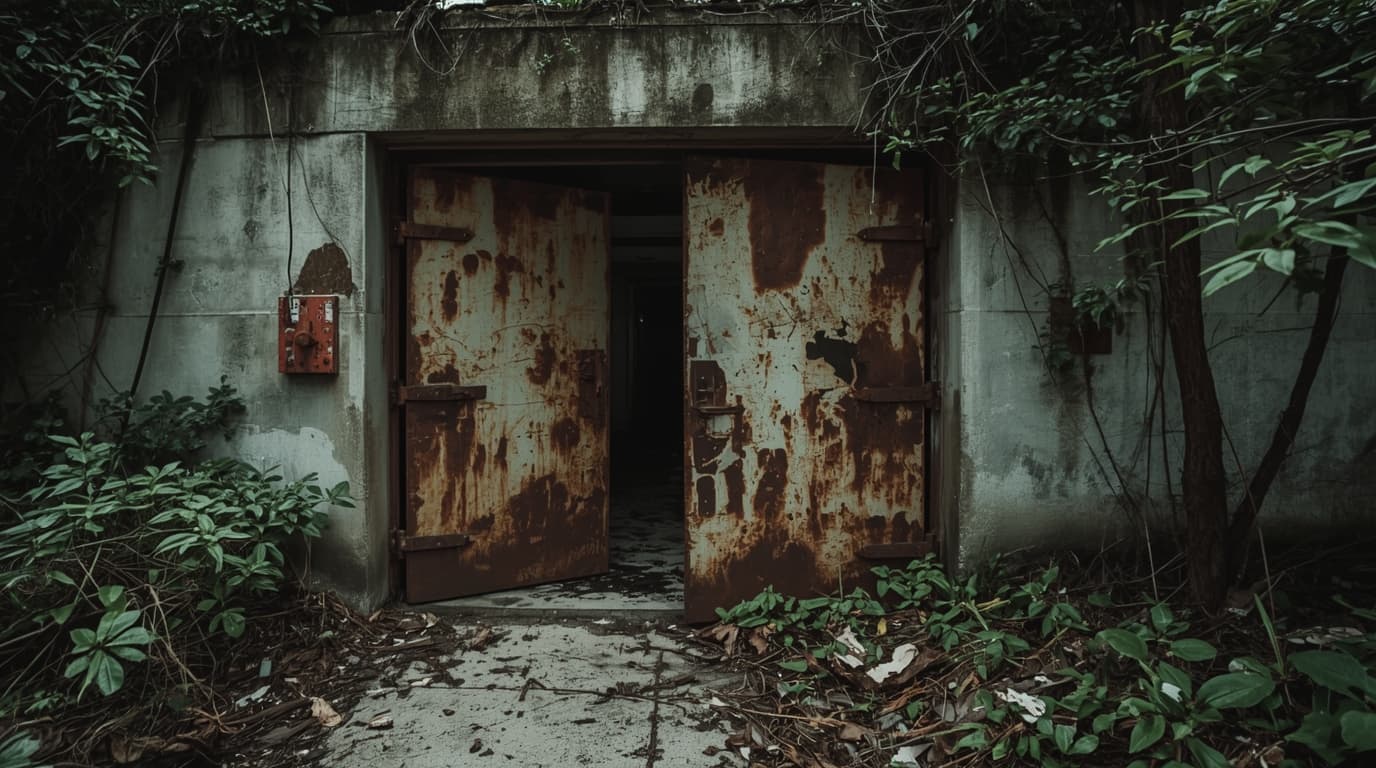
- Abandoned bunkers - Brussels and Belgium have a strong military legacy, so bunkers and defensive structures remain a key part of the local urbex identity.
- Former schools - Empty educational buildings can survive for years before renovation, though they are often heavily secured and legally sensitive.
- Vacant office blocks - Postwar office buildings sometimes sit empty between ownership changes, making them common but short-lived abandoned places in Brussels.
- Abandoned villas - Detached homes and larger residences on the edge of the city can be visually striking, especially when interiors remain intact.
- Former care homes - Nursing homes and retirement facilities are frequently cited in Belgian urbex because they can contain preserved furniture and medical traces.
- Religious annexes - Small chapels, convent outbuildings, and former parish structures appear less often, but they are part of the broader Brussels urbex landscape.
- Old cinemas and halls - Former neighborhood cinemas, event rooms, and social halls are highly photogenic when original decor survives.
- Disused clinics - Smaller medical buildings outside the most central districts are often more realistic finds than large abandoned hospitals.
- Glasshouses and garden estates - On the outskirts, abandoned horticultural sites can offer a very different atmosphere from inner-city ruins.
- Water towers and pumping stations - Industrial utility sites are less frequent but important for anyone researching the top urbex spots in Belgium.
- Farm complexes near Brussels - The peri-urban belt around the capital includes disused farms, barns, and agricultural compounds.
- Roadside motels and inns - Older road infrastructure sometimes leaves behind hospitality buildings in partial decay.
- Youth clubs and community centers - Small public-use buildings are easy to overlook, but they often tell a clearer social story than monumental ruins.
- Cold War shelters - Subterranean or semi-buried infrastructure remains one of the most specialized branches of Belgian urbex research.
- Energy annex buildings - Transformer houses, service blocks, and technical buildings appear modest, but they are widespread on old industrial land.
- Abandoned sports facilities - Empty gymnasiums, pools, and club buildings are among the most visually distinctive site types around Brussels.
- Manor houses and estates in the wider region - Some of the best-known places associated with urbex Brussels are actually outside the dense city core, in the surrounding provinces.
Why do abandoned places in Brussels attract so much interest?
Abandoned places in Brussels attract attention because the city sits between political visibility, industrial history, and continuous redevelopment. In practical terms, that means ruins do not stay static. A factory can be open to views one month and be fenced, restored, or demolished the next.
Brussels also works as a gateway to the broader Belgian scene. People who search for a Brussels urbex map are often also looking for the top urbex spots in Belgium, especially in former industrial belts and military areas beyond the city.
If you want a broader overview, Browse all urbex maps and compare regional coverage. For city-specific context, Urbex Brussels: guide to abandoned places in and around Brussels is a useful companion read.
How should you use a Brussels urbex map responsibly?
A Brussels urbex map should be used as a research tool, not as an invitation to ignore property rights or safety barriers. The most reliable maps help you filter by status, verify whether a place still exists, and avoid wasting time on dead locations.
Responsible use means:
- checking whether a location is abandoned, redeveloped, or demolished
- avoiding public reposting of sensitive access details
- never forcing entry, climbing barriers, or bypassing locks
- respecting neighbors, staff, and private property
- leaving every place untouched and undocumented if conditions are unsafe
For a broader benchmark on quality, Best Urbex Maps in the World: Where to Find Verified Locations explains what makes a map genuinely useful. If you work with saved layers, How to Import Your .KML File into Google Maps can help you organize your research.
What should you check before visiting a site in Belgium?
Before any visit, the goal is simple: confirm that the location still exists, that conditions are stable, and that you are not putting yourself or others at risk.
| Check | Why it matters |
|---|---|
| Recent status | Brussels sites change fast because of works, fencing, and demolition |
| Legal access | Many ruins remain private property even when they look abandoned |
| Structural condition | Floors, roofs, stairs, and basements can fail without warning |
| Neighborhood context | High visibility or active surroundings can create risk and conflict |
| Exit options | Safe navigation matters more than photos |
| Weather and light | Rain, darkness, and wind increase risk in unstable buildings |
Which areas around Brussels are often more interesting than the center?
For many explorers, the most interesting urbex around Brussels is not in the historic center. The outer districts, industrial edges, old transport corridors, and nearby parts of Brabant often produce better site variety and larger abandoned properties.
This is one reason why copied lists of "top places" age badly. A curated map with verification notes is usually more practical than an article promising permanent access to the same 20 names.
Frequently asked questions
Is urbex legal in Brussels?
Urbex itself is not a legal exception to trespassing law. In Brussels, as in the rest of Belgium, many abandoned places are still private or restricted property. Legal access and permission always matter.
Are the best Brussels urbex spots really inside the city?
Not always. Some of the strongest locations linked to urbex Brussels are in the wider metropolitan belt or nearby provinces, where larger industrial, rural, or military sites survive longer.
Should exact addresses of abandoned places in Brussels be shared publicly?
Usually no. Publicly circulating sensitive locations often leads to vandalism, theft, sealing, and faster site loss. Preservation-first mapping is a better long-term approach.
What gear is enough for a first urban exploration trip in Brussels?
Basic, non-invasive gear is enough: charged phone, flashlight, sturdy footwear, water, and a simple dust mask where appropriate. Do not bring tools intended to bypass barriers or gain entry.
Why do Brussels locations disappear so quickly from public lists?
Because Brussels redevelops continuously. Sites are demolished, renovated, fenced, or monitored, so old articles and reposted coordinates become inaccurate very quickly.
Conclusion
Urbex Brussels is less about chasing one famous ruin and more about understanding a fast-changing urban landscape. The best results usually come from verified information, realistic expectations, and a preservation-first mindset.
If you are researching abandoned places in Brussels, focus on current status, legal limits, and map quality. That approach is safer, more efficient, and better for the places themselves.
Access the free urbex map
