 MapUrbex
A practical guide to urbex and ecology: why abandoned places can support biodiversity, what risks they contain, and how to explore responsibly.
Urbex and Ecology: How Abandoned Places Become Nature Reserves
Urbex and ecology meet in a surprising place: the abandoned site. When human activity stops, many buildings, rail yards, factories, farms, and military grounds begin to change. Cracks hold water, rubble turns into soil, and empty structures become shelter.
That process does not make every abandoned place a safe or protected ecosystem. Some sites become valuable refuges for birds, bats, insects, mosses, and pioneer plants. Others remain polluted, unstable, or ecologically damaged. The key point is simple: abandonment often creates opportunity for biodiversity, but that value is fragile.
For responsible explorers, this changes how a site should be viewed. A forgotten location is not only a visual subject. It can also be a living habitat that deserves caution, legality, and preservation-first behavior.
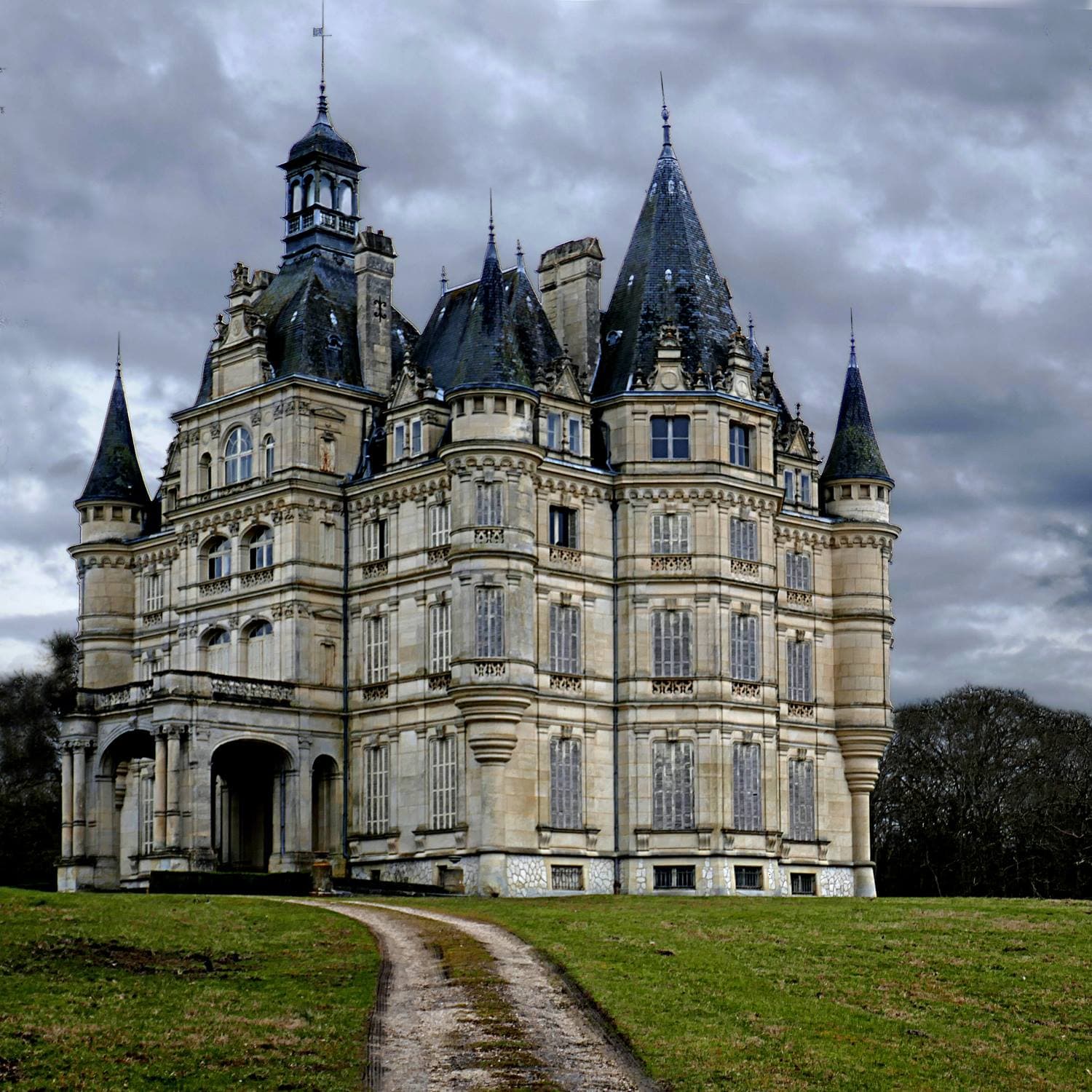
How do abandoned places become nature reserves?
Abandoned places can become de facto nature reserves when human pressure declines and ecological succession begins. Pioneer plants colonize bare ground, water collects in neglected spaces, and empty buildings create shelter for wildlife. Over time, these sites can support surprising biodiversity. Their ecological value remains fragile, however, because contamination, invasive species, unsafe structures, and disturbance can quickly undo it.
Quick summary
- Many abandoned places gain ecological value because disturbance drops and natural succession starts.
- Brownfields, ruins, quarries, rail corridors, and vacant lots can support birds, bats, insects, plants, and fungi.
- These sites often work as urban biodiversity refuges and movement corridors between larger green areas.
- Ecological value does not mean legal access. Private ownership, safety risks, and wildlife sensitivity still apply.
- Responsible urbex means no forced entry, no habitat disturbance, and no removal or damage of materials.
- Verified, preservation-first information helps reduce both human impact and avoidable risk.
Quick facts
| Topic | What to know | Why it matters |
|---|---|---|
| Ecological succession | Bare concrete, brick, and soil are gradually colonized by plants and microorganisms. | This is the foundation of new habitat creation. |
| Microhabitats | Roof voids, cellars, walls, puddles, and rubble all host different species. | Structural variety often increases biodiversity. |
| Urban ecology | Many abandoned sites act as green gaps inside dense cities. | They can support pollinators and mobile species. |
| Brownfield risk | Industrial land may contain asbestos, heavy metals, oils, or unstable debris. | Ecological value and danger can exist together. |
| Wildlife sensitivity | Bats, nesting birds, and seasonal breeders are easily disturbed. | Quiet, distance, and restraint are essential. |
| Responsible exploration | Legal access and preservation-first behavior reduce harm. | Good practice protects both people and habitats. |
Why do abandoned places attract biodiversity?
Abandoned places attract biodiversity because they combine low disturbance with many small habitat niches. Once maintenance stops, wind, rain, light, moisture, and seeds start to reshape the site. Nature uses whatever is available.
In ecology, this process is called succession. First come algae, lichens, mosses, grasses, and hardy pioneer plants. Then shrubs, young trees, and more complex food webs may follow. The timeline depends on climate, soil, toxins, water, and how heavily the site was built over.
Abandoned sites are also structurally diverse. A single ruin can contain dry stone, damp basements, shaded walls, open roofs, broken glasshouses, and still water. Each condition favors different organisms. That is why a site that looks empty to people may be full of life.
This pattern is especially important in cities. In urban ecology, neglected parcels often function as stepping stones between parks, rivers, cemeteries, canals, and woodland edges. They help species move through fragmented landscapes.
What kinds of species use abandoned sites?
Abandoned sites are used by species that benefit from shelter, low traffic, rough vegetation, or temporary water. The exact mix changes by region, season, and building type.
Common examples include:
- bats using attics, tunnels, bunkers, or cellars
- birds nesting in roof spaces, ledges, chimneys, and beams
- pollinators feeding in wildflower-rich wasteland vegetation
- mosses, lichens, and ferns growing on damp masonry
- amphibians breeding in flooded pits or drainage basins
- reptiles using warm stone, metal, and rubble edges
- fungi decomposing wood and organic debris
Not every species benefits equally. Some abandoned places are too toxic, too isolated, or too frequently disturbed. Others become remarkably rich because they combine shelter, food, water, and seasonal quiet.
A useful rule is this: the messier and more varied the habitat, the more likely it is to support different life forms. Ecology often rewards complexity.
Why can nature in wastelands be more valuable than it looks?
Nature in wastelands can be highly valuable because biodiversity does not depend on visual neatness. Many important habitats look rough, accidental, or unfinished to people.
This matters because public perception often favors tidy parks and managed landscapes. Yet unmanaged ground can support species that struggle in formal green spaces. Gravel, disturbed soil, dead wood, nettles, bramble, pioneer trees, and standing water may seem unremarkable, but together they create food, nesting cover, and microclimates.
Ecologists often pay close attention to brownfields for this reason. Former industrial land may host rare pioneer plants, insect communities, and edge habitats that disappear when every surface is landscaped. In some cities, post-industrial land has become one of the most important reservoirs of spontaneous urban biodiversity.
That does not mean every ruin should be frozen in place forever. It means ecological value should be assessed before redevelopment, demolition, or heavy visitation. Once sealed, cleared, or compacted, these living systems can vanish quickly.
What ecological risks do abandoned places also contain?
Abandoned places can contain serious ecological risks alongside biodiversity. The same neglect that creates habitat can also create toxicity, instability, and biological imbalance.
The first risk is contamination. Former factories, garages, farms, warehouses, mines, and military sites may hold fuels, solvents, lead paint, asbestos, pesticides, or heavy metals. A green-looking surface does not prove a healthy ecosystem.
The second risk is disturbance. Wildlife in abandoned buildings often depends on quiet. Repeated visits, loud voices, drones, dogs, flash, or moving debris can interrupt nesting, roosting, and breeding. Even well-meaning photography can stress animals.
The third risk is invasive species. Some abandoned land is quickly colonized by aggressive non-native plants that reduce local diversity. What looks lush may actually be ecologically simplified.
The fourth risk is physical danger. Rotten floors, open shafts, broken roofs, standing water, and hidden chemical hazards are common. Responsible urbex is not only an ethical issue. It is also a safety issue.
Safety and legal reminder: an abandoned site can still be private property, structurally unstable, contaminated, or seasonally sensitive for wildlife. Never force entry, break locks, climb unsafe structures, or disturb habitats.
How should urbex and ecology coexist responsibly?
Urbex and ecology coexist responsibly when exploration is legal, low-impact, and guided by preservation first. The goal is to observe without degrading either the site or the habitat it has become.
Good practice includes a few basic principles:
- respect ownership, access rules, and local law
- never force entry or bypass barriers
- avoid sensitive seasons such as nesting or maternity roost periods
- keep noise, light, and movement to a minimum
- do not touch nests, bats, bones, plants, or water bodies
- stay on durable surfaces where possible
- leave objects exactly where they are
- do not publish details that could increase vandalism or habitat pressure
This is where verified information matters. A preservation-first approach helps people avoid unstable sites, restricted areas, and locations where wildlife disturbance is likely. If you want a curated starting point built around responsible exploration, Browse all urbex maps.
MapUrbex's positioning is useful here: verified locations, curated maps, and responsible urbex reduce guesswork. Better information can mean less random trespassing, less repeat pressure on sensitive places, and more respect for context.
Can abandoned industrial sites become protected areas?
Yes, abandoned industrial sites can become protected areas, restored landscapes, or recognized biodiversity zones, although the outcome depends on ownership, contamination, planning law, and ecological assessment.
Around the world, former quarries, rail lands, canal corridors, ports, bunkers, and factory grounds have followed different paths. Some are cleaned and redeveloped. Some are partially restored. Some are left to rewild informally for decades. A smaller number gain legal protection because they host notable species or habitat types.
The transition usually follows one of three patterns:
- Passive rewilding: human activity stops and succession proceeds with limited management.
- Managed restoration: contamination is addressed and habitat is actively designed or supported.
- Protected designation: authorities or landowners formally recognize ecological value.
For explorers, the important lesson is practical. A place can be abandoned from a human use perspective but still be ecologically managed, monitored, or restricted. Abandonment does not equal open access.
What should explorers do when a site clearly has wildlife?
When a site clearly has wildlife, the right response is to reduce your impact immediately and leave if necessary. Animals do not need curiosity; they need stability.
Use this checklist:
- leave at once if you see active nests, bat clusters, young animals, or clear signs of distress
- avoid flash and avoid shining lights into dark cavities
- keep voices low and group size small
- do not move boards, stones, or loose materials that may shelter animals
- do not enter flooded basements, tunnels, or roof voids used by wildlife
- return in another season only if access is legal and disturbance can be avoided
For photography, distance is usually better than proximity. A less dramatic image is preferable to disturbing a roost, a nest, or a breeding area.
FAQ
Are abandoned buildings always good for biodiversity?
No. Some abandoned buildings support rich wildlife, while others are too contaminated, too disturbed, or too sealed to function as useful habitat. Ecological value must be assessed site by site.
Is it legal to enter a site because nature has taken it back?
No. Ecological succession does not change ownership or access law. A place can feel wild and still be private, restricted, dangerous, or protected.
Do verified urbex maps reduce ecological impact?
They can help when they prioritize verified information, legal clarity, and preservation-first guidance. Better route planning and better context can reduce random intrusion and unnecessary disturbance.
What is the difference between a brownfield and a nature reserve?
A brownfield is previously used land, often industrial or commercial, that may be vacant or underused. A nature reserve is an area managed or recognized primarily for conservation. Some brownfields develop strong ecological value, but they are not automatically nature reserves.
Can photography disturb wildlife in abandoned places?
Yes. Flash, noise, repeated presence, drones, and close approach can disturb bats, birds, and breeding animals. Wildlife photography in abandoned places should follow strict restraint.
Conclusion
Urbex and ecology intersect because abandoned places are not empty. Many become layered habitats shaped by succession, shelter, water, and time. That is why ruins, brownfields, and neglected land can matter for biodiversity far more than they first appear to.
The main lesson is not romantic. It is practical. Ecological value and human risk often exist together. Responsible urbex means legal access, verified information, minimal impact, and real respect for the living systems inside abandoned places.
If you want to explore with a preservation-first mindset, start with curated information rather than guesswork.
Access the free urbex map
